Teaching with Schrödinger introduction
This preview course is intended to introduce computational molecular modeling tools for teaching and provides curriculum integration strategies and resources for educators

This preview course is intended to introduce computational molecular modeling tools for teaching and provides curriculum integration strategies and resources for educators
This course is designed for high school and university-level educators seeking to modernize their chemistry and biology curricula by incorporating industry-standard molecular modeling skills. You will learn about the Teaching with Schrödinger program and how to immediately deploy its resources in your classroom to make abstract molecular concepts concrete and engaging.
Note that this course does not contain virtual cluster access but includes a library of educational resources to introduce you to the Teaching with Schrödinger program.

Understand the core features of Teaching with Schrödinger, including the elimination of technical barriers via web-based, virtual desktop access to Schrödinger software
Discover the library of pre-configured lesson plans and lab assignments that use project-based learning techniques in chemistry and biology
Learn how to leverage the program to provide students with essential molecular modeling skills that are critical for scientific research and desired by industry
Transform abstract scientific concepts into highly visual and interactive learning opportunities
Introduction to the Teaching with Schrödinger Program

Faculty Success Stories and Curriculum Integration Strategies
Web-Based Software Access and Virtual Cluster Details
Chemistry Examples for Project-Based Learning

Biology Examples for Project-Based Learning

 Life Science
Life Science
Life Science
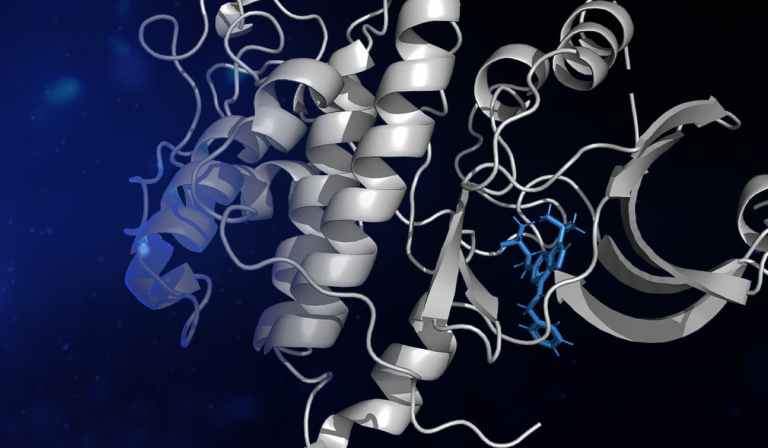
Protein preparation, ligand docking, collaborative design, and other fundamentals of small molecule drug discovery with Maestro and LiveDesign
 Life Science
Life Science
Life Science
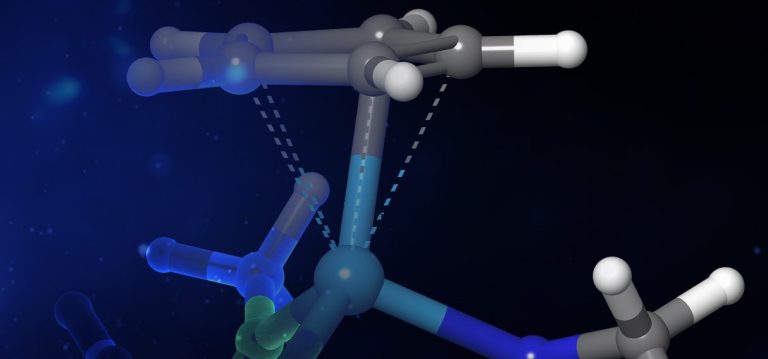
Molecular quantum mechanics and machine learning approaches for studying reactivity and mechanism at the molecular level
 Life Science
Life Science
Life Science
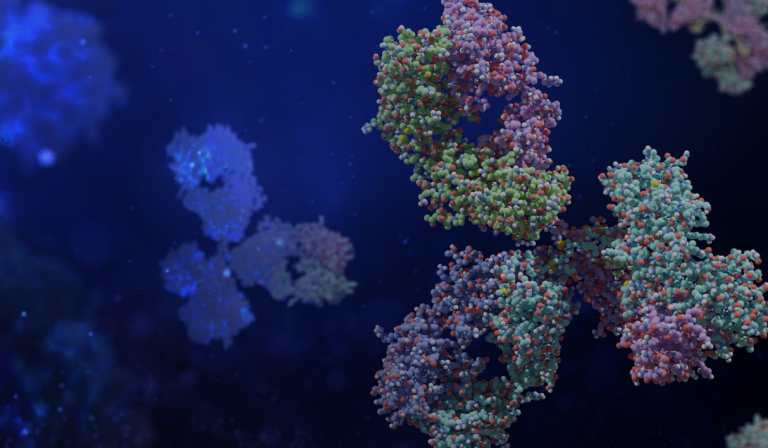
Structure-based workflows for assessing and improving the developability, stability, affinity, and ‘humanness’ of antibody therapeutics with BioLuminate