TCR Modeling
End-to-end solutions for accurate structure-based TCR modeling

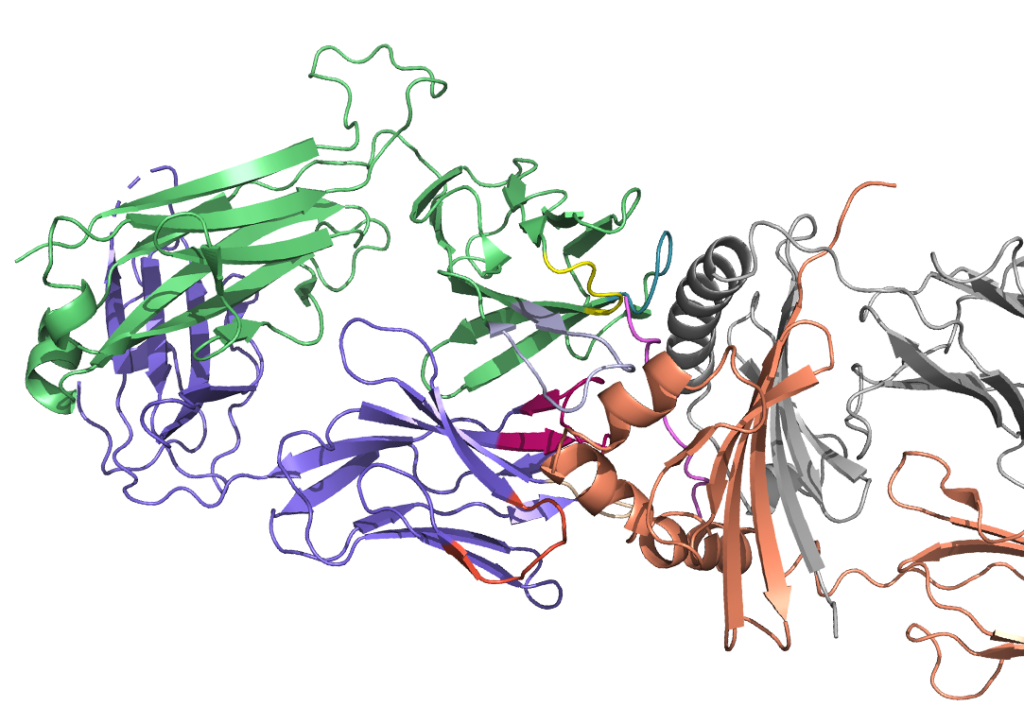
T-cell receptors (TCRs) are at the heart of the adaptive immune response, making them prime targets for developing powerful T-cell immunotherapies for cancer and other diseases. However, the intricate and diverse nature of TCRs presents significant challenges in drug discovery, including issues with target specificity, affinity, and off-target toxicity. Schrödinger’s TCR modeling solutions are designed to harness computational modeling to overcome the challenges of TCR variability, MHC restriction, and cross-reactivity from sequence to clinical candidate.

Identify better quality candidates through simultaneous optimization of multiple parameters to facilitate more rapid testing and triaging of ideas
Lower protein optimization costs compared to traditional directed evolution wet lab protocols by running fewer cycles and assaying fewer variants
Reduce time-to-results from months to weeks by discarding irrelevant mutations early, as well as quickly generating and iterating through new ideas and follow-up designs

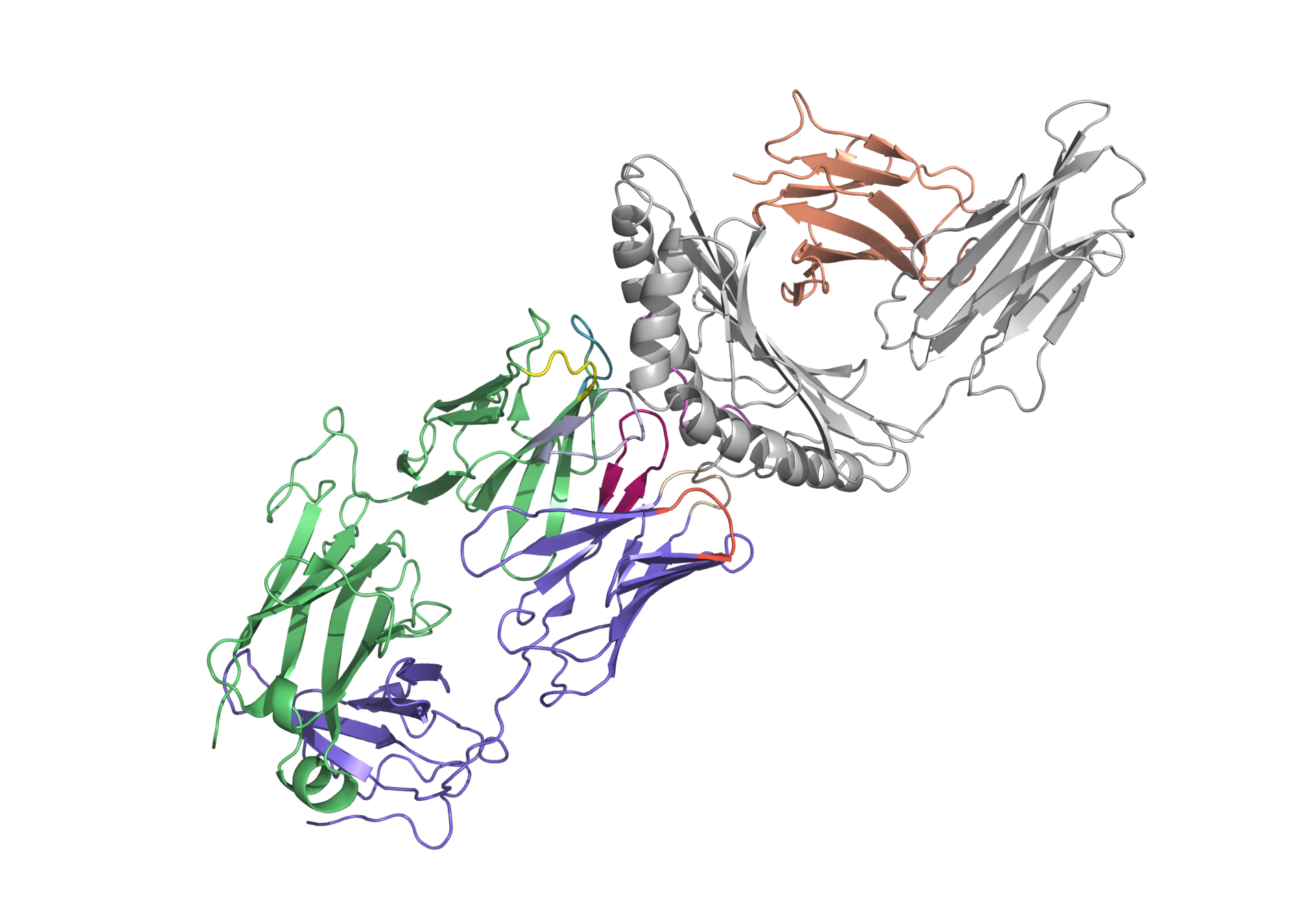
Unlike antibodies, which target surface antigens, TCRs recognize short peptide fragments presented by major histocompatibility complex (MHC) molecules. This mechanism – the pMHC-TCR complex – introduces challenges in three key areas:
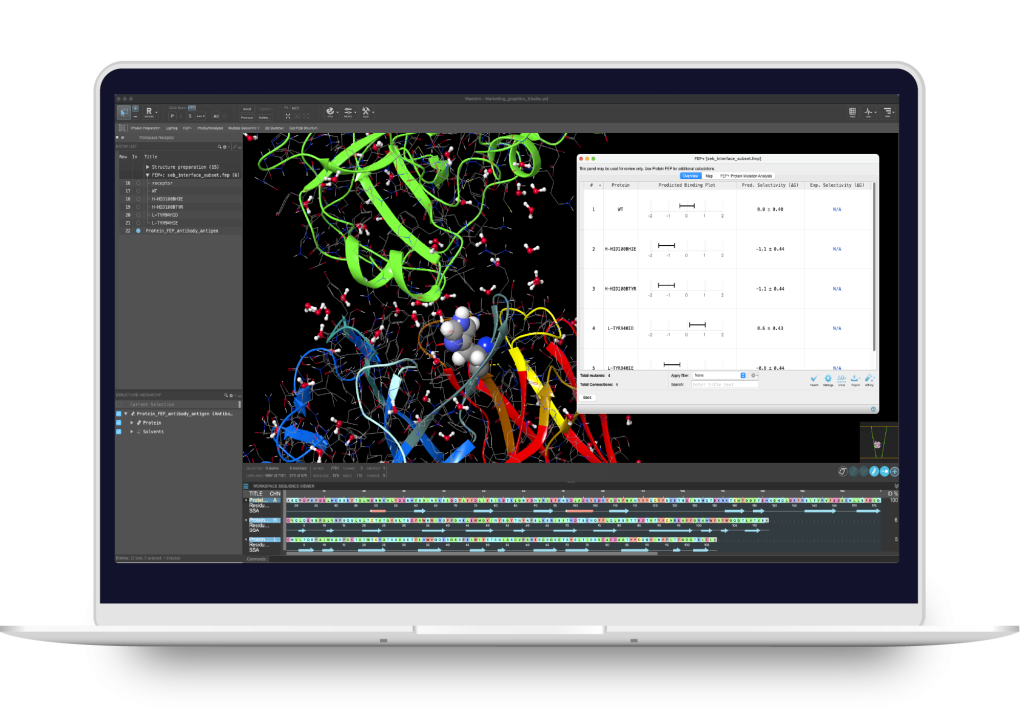
Modeling environment for biologics discovery
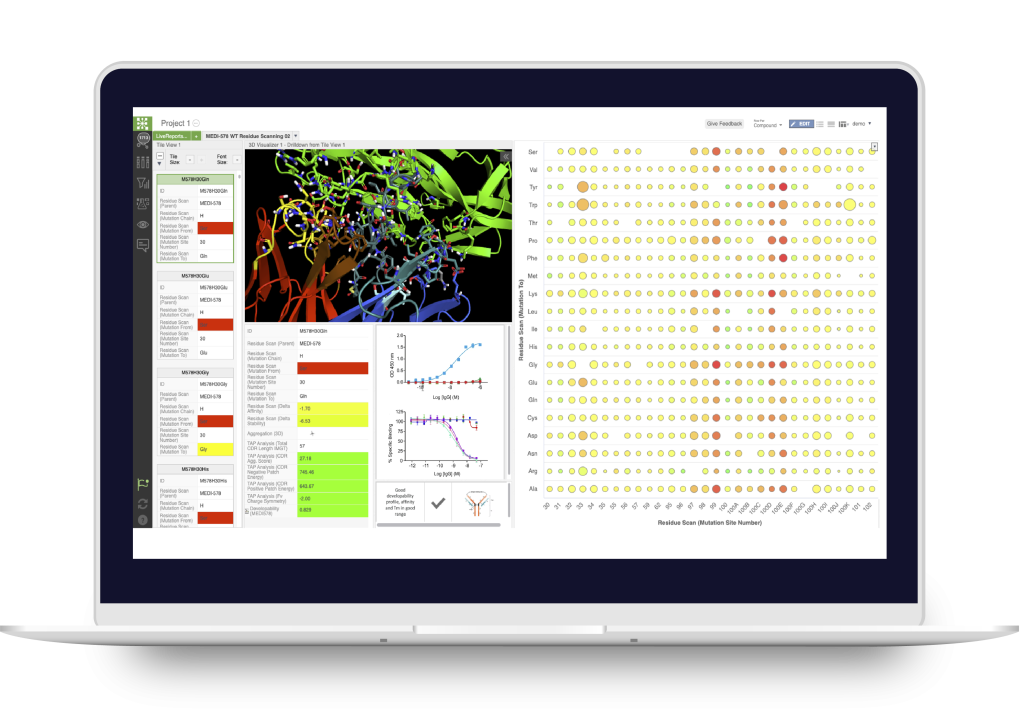
Collaborative digital biologics design and discovery lab
Enable your T-cell receptor program with structure-based computational methods — contact us today to discuss how you can start using Schrödinger’s solutions.
Thank you, we’ll be in touch soon.
Level up your skill set with hands-on, online molecular modeling courses. These self-paced courses cover a range of scientific topics and include access to Schrödinger software and support.
Learn how to deploy the technology and best practices of Schrödinger software for your project success. Find training resources, tutorials, quick start guides, videos, and more.