Accelerating Biologics Discovery: An End-to-End Workflow with BioLuminate and LiveDesign
 Date & Time
 - October 12th, 2026
 Location
 - Basel, Switzerland


The design and optimization of modern biologics increasingly relies on seamless integration of structural modeling, predictive algorithms, and collaborative informatics platforms.
We are inviting you to join us in an interactive and free-of-charge session on Monday, October 12th at Pullman Basel Europe in Basel for our “Accelerating Biologics Discovery: An End-to-End Workflow with BioLuminate and LiveDesign” event. In this session Schrödinger scientists will demonstrate an end-to-end workflow that brings together the capabilities of the Schrödinger core suite, BioLuminate, and LiveDesign to accelerate biologics discovery and engineering.
During this session, you will also be able to try Schrödinger’s new AI co-scientist, Bunsen, that transforms complex drug discovery into a seamless, automated process.
You can either join for the whole event or solely for the presentation session.
Date & Time:
Monday, October 12th, 2026
From 14:30 to 18:00 CET
Program:
Welcome Coffee
14:30 – 15:00
Interactive Session : demo-style workshop
15:00 – 17:00
Esam Aboualrous, Principal Scientist, Applications Science
Freddie Gabbutt-Martin, Senior Scientist, Applications Science
We begin in BioLuminate, showcasing a range of modeling capabilities used in early antibody assessment and engineering. Participants will explore antibody liability and developability analysis, structure-guided ideation, and a series of engineering strategies powered by state-of-the-art free energy methods — including protein FEP+, residue-scanning FEP, and pH-dependent calculations. These approaches will be demonstrated in the context of practical design questions such as affinity tuning, specificity engineering, and mitigation of liabilities.
The resulting in silico predictions will then be transferred into LiveDesign, where they can be combined with experimental data to support iterative design cycles. Within LiveDesign, attendees will learn how to analyze multi-modal data, generate hypotheses, perform virtual variant exploration, and prioritize next-step engineering ideas using LiveDesign’s collaborative and decision-support environment.
By the end of the workshop , participants will understand how to connect BioLuminate’s modeling power with LiveDesign’s Discovery Informatics platform to drive faster, more informed antibody engineering and optimization.
Discussion & Networking
17:00 – 18:00
Join us for a Q&A and networking session with our Scientists and Account Managers, providing an opportunity to present your questions and challenges, which the Schrödinger team will endeavor to address.
Register today to secure your seat!
The seminar is free to attend but preregistration is required as seats are limited. Previous-experience with the Schrödinger suite is not required.
Our Speakers
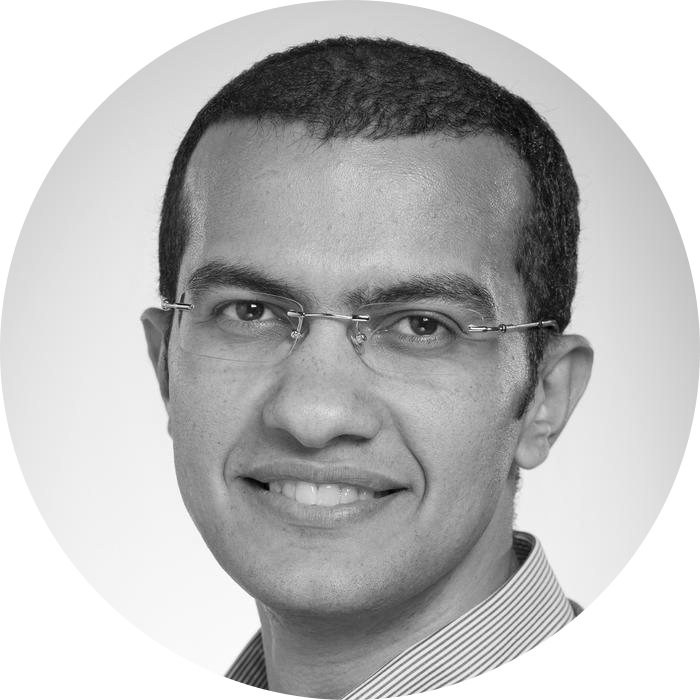
Esam Abualrous
Principal Scientist, Applications Science, Schrödinger
Esam Abualrous is a Principal Scientist for Biologics at Schrödinger, leading the European Biologics Application Science team. He brings over a decade of experience in antigen presentation and immune recognition, spanning MHC, CD1, and MR1 molecules, TCR interactions, and antibody discovery and optimization. Esam develops and applies integrated experimental and computational, multiscale workflows to advance next-generation biologics design and deepen mechanistic understanding of complex biomolecular assemblies.
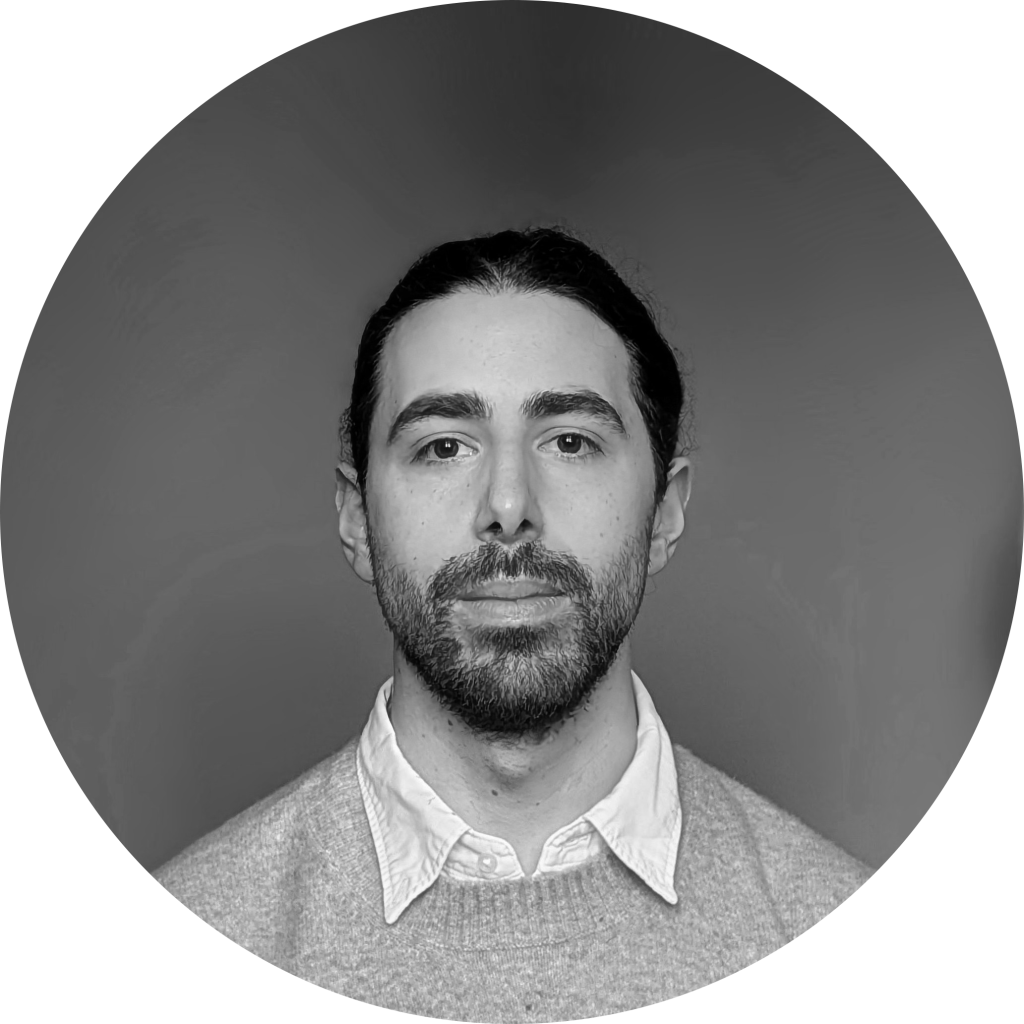
Freddie Gabbutt-Martin
Senior Scientist, Applications Science, Schrödinger
Freddie Martin, Ph.D., is a Senior Scientist at Schrödinger, responsible for the development of LiveDesign models for biologics across modalities. Prior to Schrödinger, he began his academic journey with a Master’s degree in Chemistry for Drug Discovery from the University of Bath. He subsequently earned his Ph.D. in Protein Design from the University of Bristol, where he focused on the rational design of peptides and sequence-to-structure relationships. Following his doctoral studies, Freddie completed postdoctoral training at the Novo Nordisk Foundation Center for Protein Research, working with generative protein models for the de novo design of therapeutics. He brings expertise in peptides, protein engineering, molecular dynamics, and AI for biologics.