Advanced chemical space exploration for the discovery of mutant-selective EGFR inhibitors
 Date & Time
 - October 22nd, 2026
- 7:00 AM PDT | 10:00 AM EDT | 3:00 PM BST | 4:00 PM CEST
 Location
 - Virtual


Acquired resistance remains the central challenge for targeted therapies in non-small cell lung cancer (NSCLC). While first-, second-, and third-generation epidermal growth factor receptor (EGFR) tyrosine kinase inhibitors (TKIs) have transformed treatment of classical EGFR mutations (L858R, Exon 19 deletions), tumors frequently escape therapy by acquiring additional mutations in the kinase domain. The combination of T790M and C797S resistance mutations is particularly severe, producing an EGFR variant resistant to every approved EGFR TKI.
Recent work by Schrödinger’s therapeutics group has shown how a structure-based, physics-driven design strategy can overcome this challenge, delivering structurally novel, potent, and mutant-selective inhibitors that spare wild-type EGFR and demonstrate efficacy in vivo, validating this computational workflow for some of the most difficult resistance mutations in oncology.
In this webinar, Schrödinger’s medicinal and computational chemists will show how they tackled the EGFR triple-mutant problem by coupling industry-leading free energy perturbation technology (FEP+) with de novo design workflows to effectively explore novel chemical space and identify reversible inhibitor scaffolds. The team will discuss how this multipronged strategy was used to rapidly navigate structure-activity relationships and deliver compounds with strong mutant potency, selectivity, and in vivo efficacy.
Our Speakers

Eric Therrien
Director, Computational Chemistry, Therapeutics Group, Schrödinger
Eric Therrien is a director of computational chemistry in Schrödinger’s therapeutics group. Since joining Schrödinger in 2016, Eric has been leading efforts in collaborative and internal drug discovery programs with a focus in applying free energy perturbation methods. He obtained his Ph.D. in organic chemistry from the Université de Montréal in 2005 and conducted post-doctoral research at McGill University in computational chemistry. Eric contributed to a variety of drug discovery programs including oncology, immunology, and neurology and he is co-author of over 30 publications and patents.
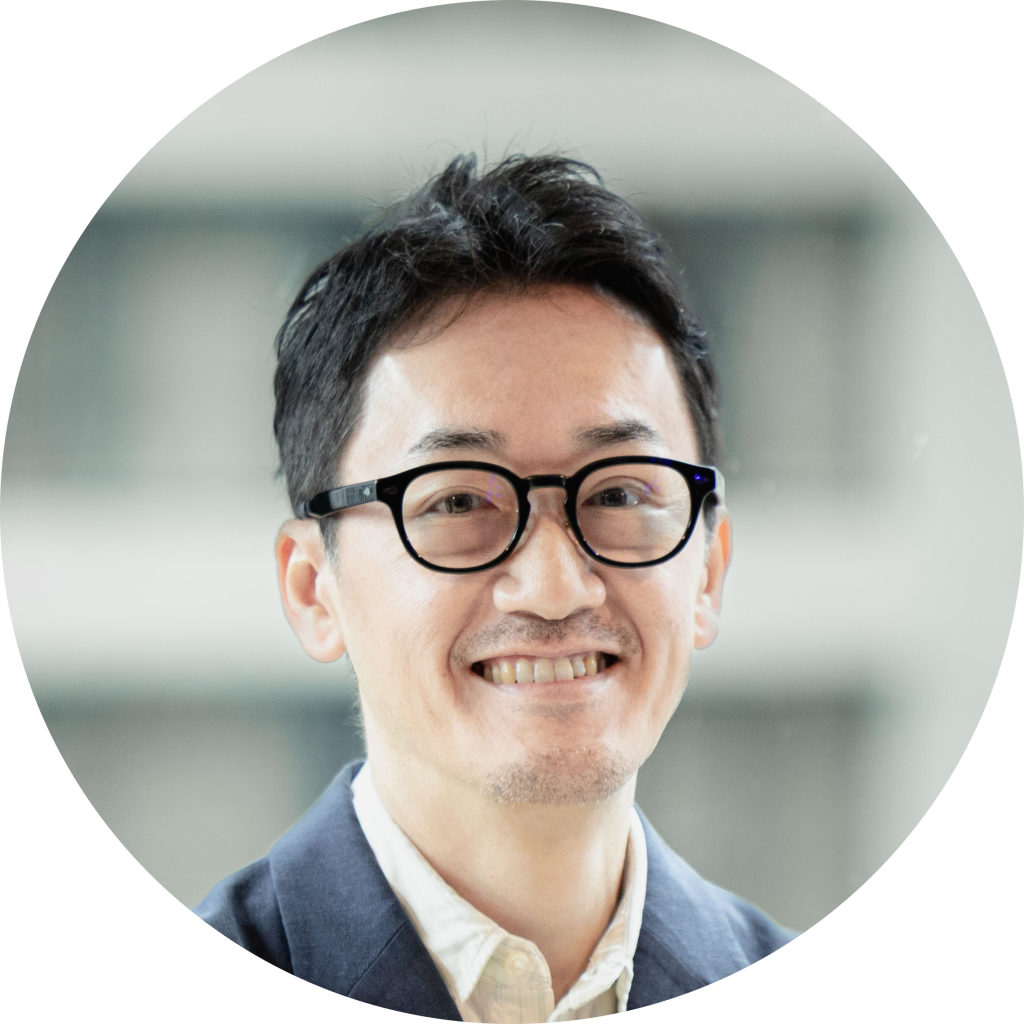
Hideyuki Igawa
Senior Director, Medicinal Chemistry, Therapeutics Group, Schrödinger
Hideyuki Igawa is a senior director in the therapeutics group at Schrödinger, where has been leading multiple drug discovery programs using Schrödinger’s computational platform. He received his MS in Chemistry from Kyoto University, then obtained his Ph.D. in Pharmaceutical Sciences from Nagoya City University. He previously worked at Takeda Pharmaceuticals and Tri-Institutional Therapeutics Discovery Institute, where he contributed to the discovery of multiple small molecule drug candidates towards the clinic.