Biologics modeling for wet lab scientists: Detecting and deprioritizing dead ends before they reach the bench
 Date & Time
 - June 3rd, 2026
- 9:00 EDT | 15:00 CEST | 14:00 BST | 18:30 IST
 Location
 - Virtual


If you have trouble registering, please email marketing@schrodinger.com
Protein developability challenges are a primary cause of biotherapeutic drug failure, often leading to costly late-stage setbacks. For bench researchers, identifying and addressing liabilities early is essential for mitigating risk and accelerating promising candidates toward clinical approval. Schrödinger’s computational platform integrates physics-based protein descriptors with sequence and structural analysis to pinpoint liability hotspots and rationally design targeted mutations to address them.
Join us to learn how to detect and deprioritize high-risk candidates, effectively discarding developability dead-ends before they ever reach the bench.
Key highlights:
- Precision liability mapping: Utilize physics-based structural analysis to identify specific residues responsible for degradation, aggregation, and instability
- Rational mutagenesis design: Efficiently design and rank targeted mutations to “engineer out” liabilities while maintaining or enhancing target affinity
- Physics-driven triage: Move beyond simple sequence-based rules to assess intricate molecular 3D surface properties
- Workflow integration: Seamlessly connect early-stage discovery with late-stage developability to eliminate candidates likely to fail in manufacturing
Who should attend:
- Bench scientists seeking to reduce time-to-clinic by identifying developability risks earlier in the pipeline
- Beginner computational chemists interested in applying advanced physics-based modeling and molecular dynamics to protein design
- Discovery project leads tasked with selecting and prioritizing lead candidates for scale-up and clinical development
Our Speakers
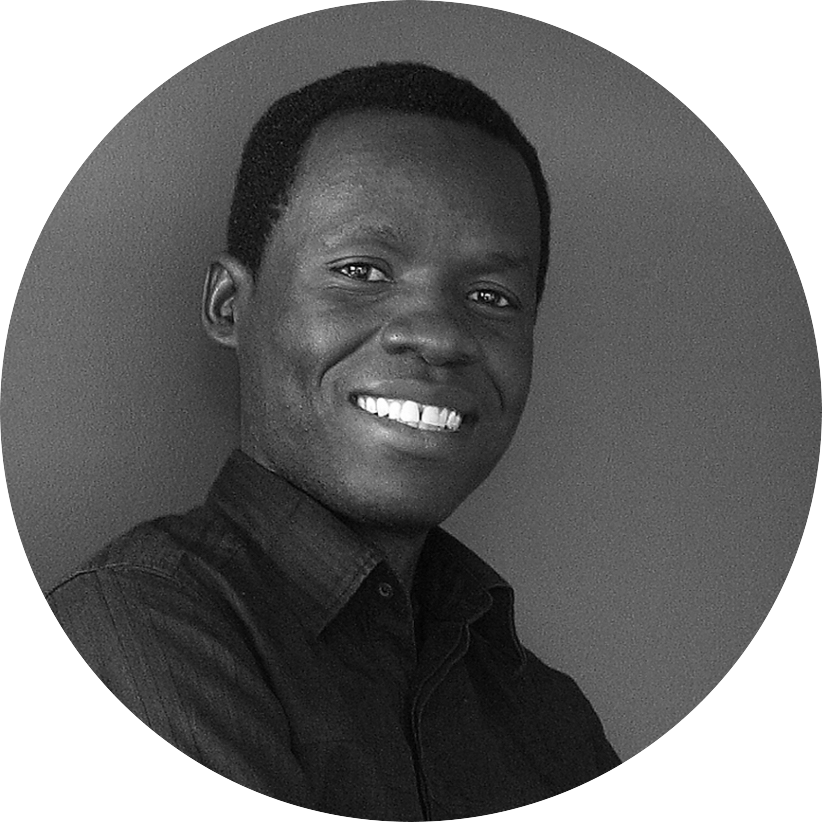
Eliud Oloo
Global Portfolio Leader, Biologics Modeling, Schrödinger
As Global Portfolio Leader for Biologics at Schrödinger, Eliud is dedicated to translating the power of digital molecular design into tangible, real-world impact. His background spans bench research, molecular modeling, frontline customer support and software product management. After obtaining a PhD in Biomolecular Simulation from the University of Calgary, Canada, Eliud worked as a Research Scientist at Sanofi, where he led structure-based computational modeling and initiated the use of machine learning approaches in vaccine design.

Wade Miller
Senior Manager, Life Science Education, Schrödinger
Wade Miller is a Senior Manager on the Schrödinger Education team. He received his BA in Chemistry from the University of Pennsylvania, where he performed research on the history and philosophy of chemistry. After joining Schrödinger in 2017, Wade was involved in creating the Introduction to Molecular Modeling in Drug Discovery course and led the creation of the Introduction to Computational Antibody Engineering course. He has run over 100 workshops on molecular modeling for academic and industry audiences, and is the co-founder of the Computational Medicinal Chemistry School. Wade now focuses on driving the team’s life sciences-focused education strategy.