APR 29, 2026
From Sequence to Binding Site: An Accessible Workflow for AI-Based Protein Structure Prediction and Ligand Docking


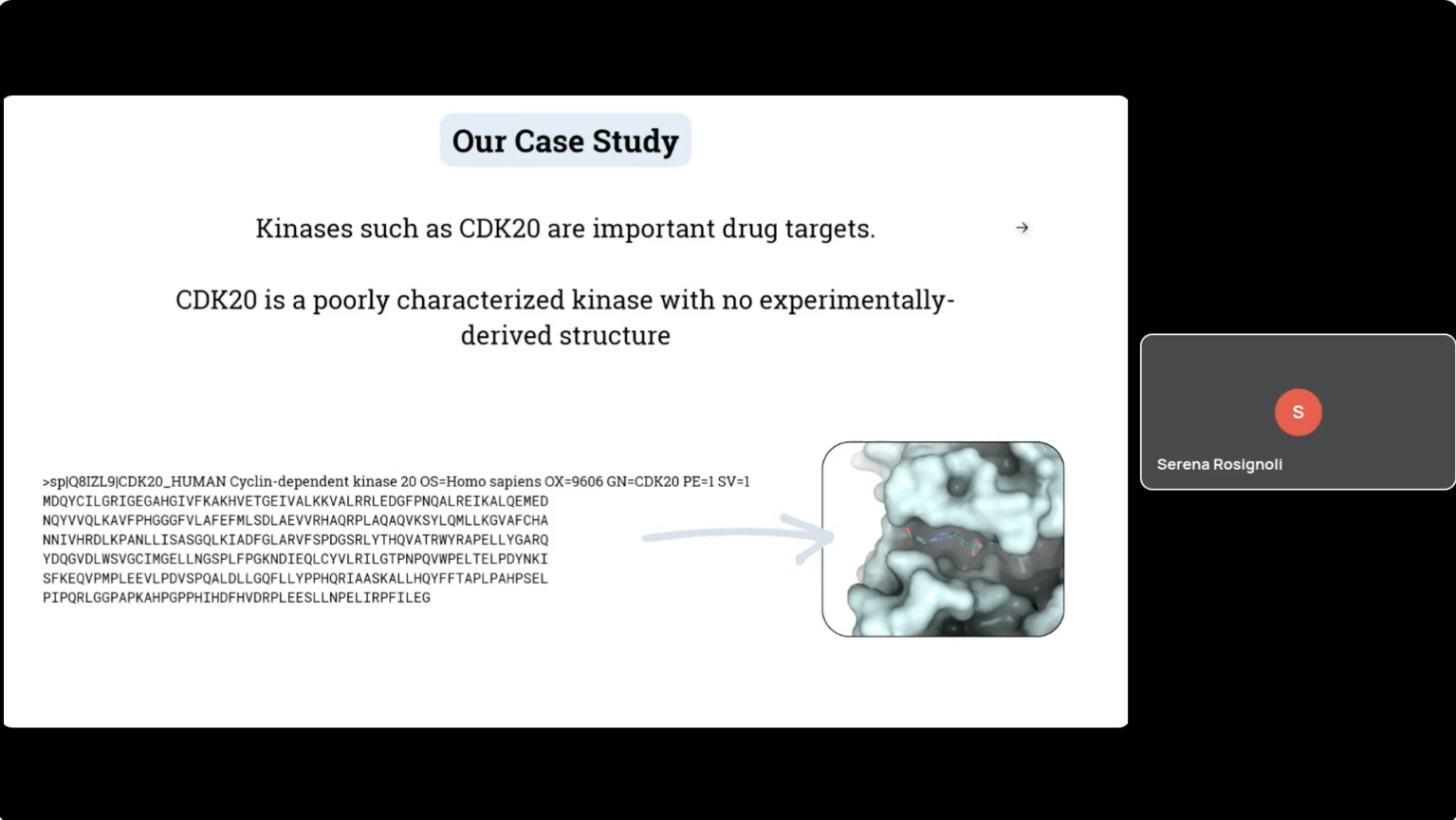
Recent advances in AI-driven protein structure prediction have transformed how we teach structural biology. This 10-minute Lightning Talk presents a classroom-ready workflow that takes students from a raw amino acid sequence to structure prediction, model assessment, and protein–ligand docking-
entirely within PyMOL using the latest version of PyMod and the DockingPie plugins.
We begin with AI-based protein structure prediction and quality assessment using PyMod’s updated
capabilities, which integrate state-of-the-art prediction tools directly into the familiar PyMOL
environment. Once a validated structure is obtained, the workflow transitions seamlessly to molecular
docking using DockingPie. Students prepare receptor and ligand structures, perform docking
simulations, and visualize binding poses and intermolecular interactions in real time. By examining
hydrogen bonds, hydrophobic contacts, and binding pocket geometry, learners connect computational
output to foundational biochemical principles.
The emphasis of this session is not on computational complexity but on pedagogical integration. The
entire workflow is accessible, reproducible, and executable on standard teaching lab computers,
making it suitable for upper-level undergraduate courses in biochemistry, molecular biology, or
computational chemistry.
This Toolbox Top-Up session will provide a concise demonstration of the workflow, highlight
practical teaching strategies, and showcase how the seamless integration of structure prediction, model
assessment, and ligand docking within PyMOL, leveraging its powerful visualization capabilities, can
transform abstract structure–function concepts into interactive, inquiry-driven learning experiences.
Our Speaker
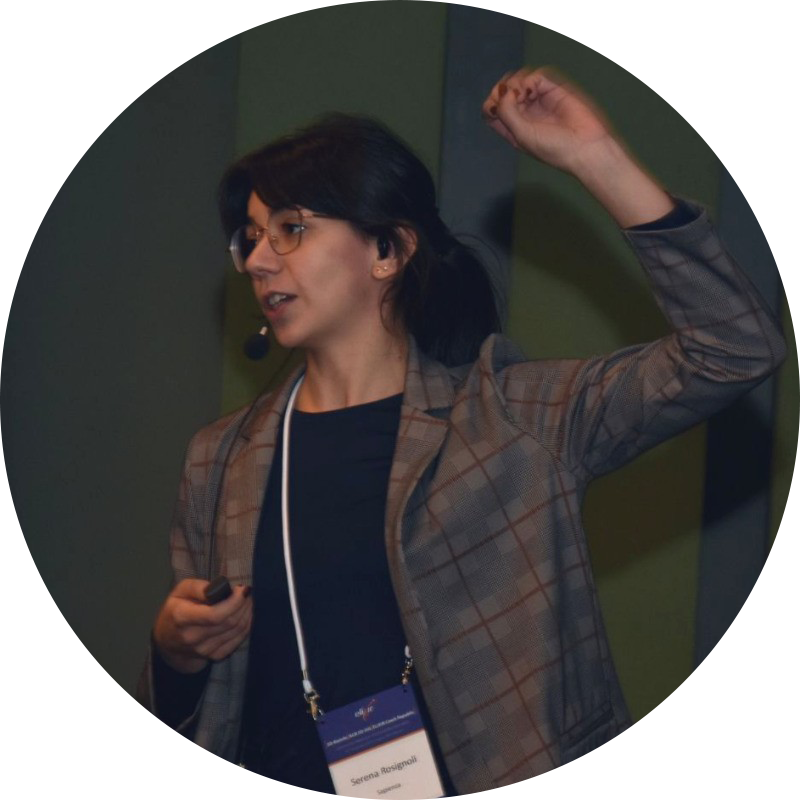
Serena Rosignoli
Computational Biologist
Dr. Serena Rosignoli is a computational biologist specializing in structural bioinformatics, protein engineering, and molecular modeling. Her work combines algorithm design, software development, and artificial intelligence with structure-based methodologies to explore protein function and support therapeutic innovation. She has developed several bioinformatics tools and PyMOL plugins and collaborates closely with experimental groups on protein and drug design, with a particular focus on kinase inhibitor discovery and targeted gene therapy applications.