JUL 28, 2021
Making Lemonade, Giving Students a Choice, and NOT Reinventing the Wheel in Introduction to Bioinformatics Course


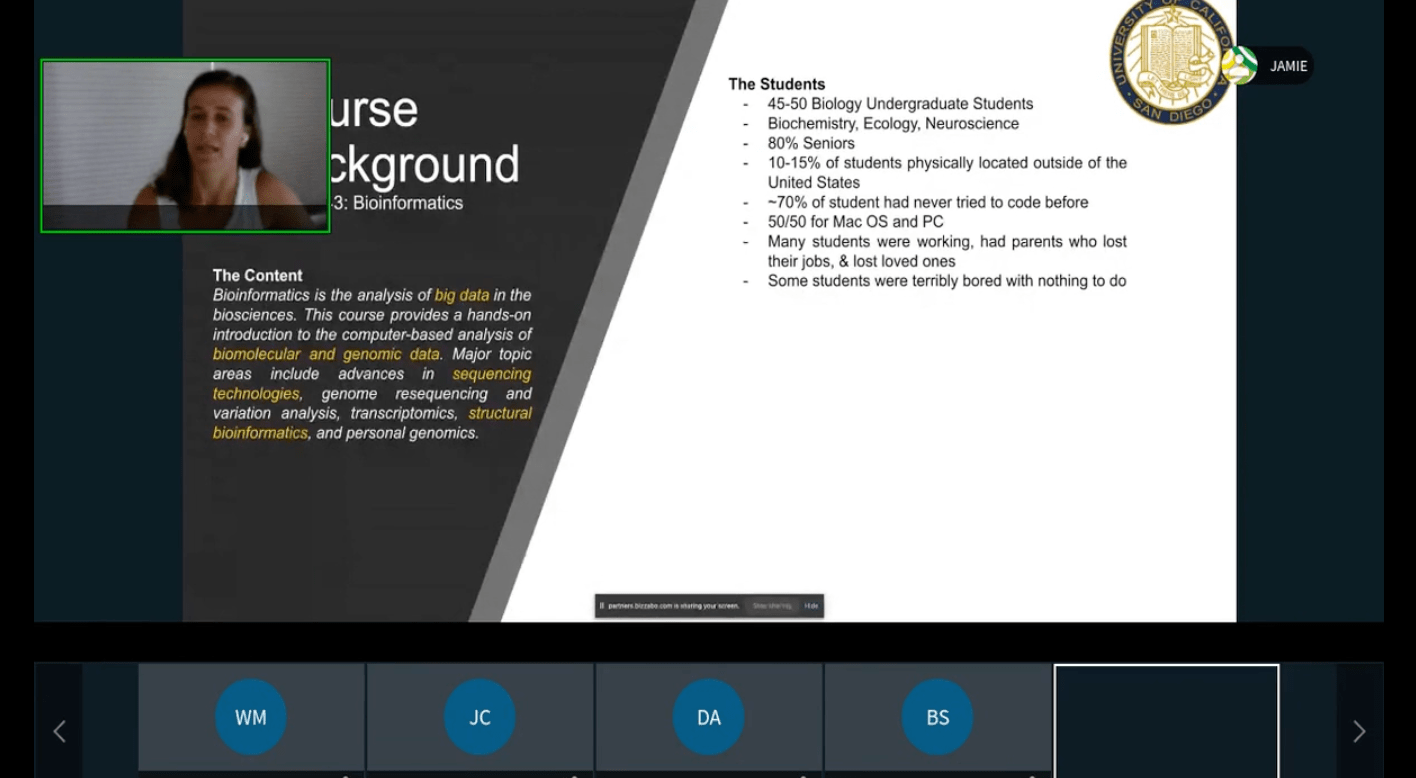
Student choice, POGIL, and flipped classroom approaches are successfully used to engage students in Introduction to Bioinformatics (BIMM 143) during the Winter and Spring quarters of 2021 at UC San Diego. The majority of the students enrolled in the course are fourth year biology students with a range of majors, from Human Biology to Molecular Biology. The majority of students have no coding experience prior to this course. Students are paired at the beginning of the quarter into groups & given access to DataCamp, an online education platform for learning how to code in python and R (students choose which coding track they would prefer at the beginning of the quarter as well). These groups were affectionately renamed PODs (for People of DataCamp) and each PODmate was given a role similar to the structure of POGIL activities (process oriented guided inquiry based learning). Students choose whether they want to participate in weekly trivia based on that week’s DataCamp activities or do a challenge problem that is loosely based on DataCamp activities. Students also participate in Code-Together Meetings and share notes from DataCamp for participation credit in the course. DataCamp and PODs formed the foundation for supporting students in their learning so that they could accomplish two major projects throughout the quarter. For one of the projects in the course, students can choose to either formulate their own unique scientific question and hypothesis that can be answered through a bioinformatics method OR they can opt to participate in Schrodinger’s Molecular Modeling course. Students that choose the molecular modeling course then present on the course findings and learnings to the rest of the students as an extra credit opportunity for BIMM 143 students not enrolled in the Molecular Modeling course. Student’s response to this course format is very positive. The biggest take-home has been that students really appreciate having choice, whereas having PODmates and using a flipped classroom has gotten mixed reviews.
Our Speaker
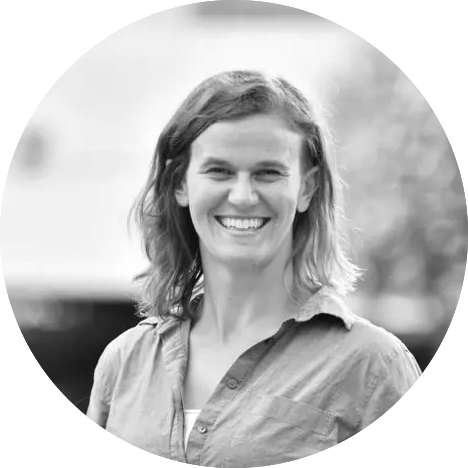
Jamie Schiffer
UC San Diego
Jamie Schiffer is a computational chemist at Takeda and a lecturer in biology at UC San Diego. She has published in Journal of Chemical Education, Structure, Journal of Physical Chemistry Letters, Journal of Medicinal Chemistry and more, on a wide variety of applications of molecular modeling in research and education. From 2018-2019 she was an education specialist at Schrodinger where she felt like a kid in a candy store, as she had access to all possible state-of-the-art modeling tools she could ever dream of. During her time at Schrodinger, she published in Journal of Chemical Education on an outreach activity that she designed using Schrodinger’s Materials Science Suite entitled, “Microplastics Outreach Program: A SystemsThinking Approach to Teach High School Students about the Chemistry and Impacts of Plastics.” In her free time, Jamie enjoys spending time with her husband, baby boy Ezra, and three dogs Juno, Baxter and Haiku. She is also an avid cycler, runner, and yoga instructor.