Protein Preparation Workflow

Protein Preparation Workflow

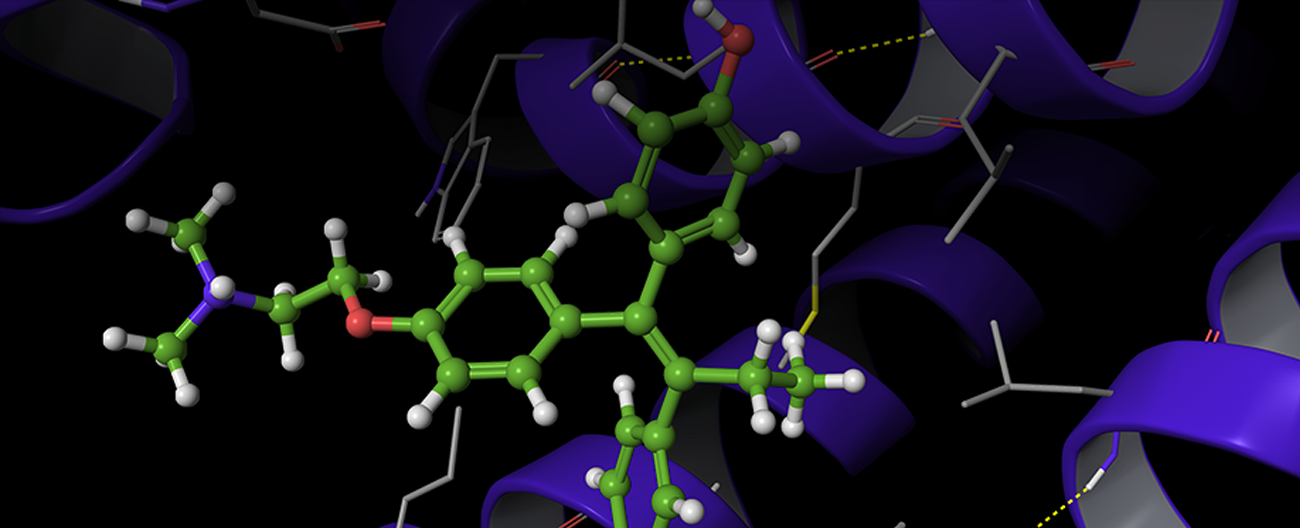
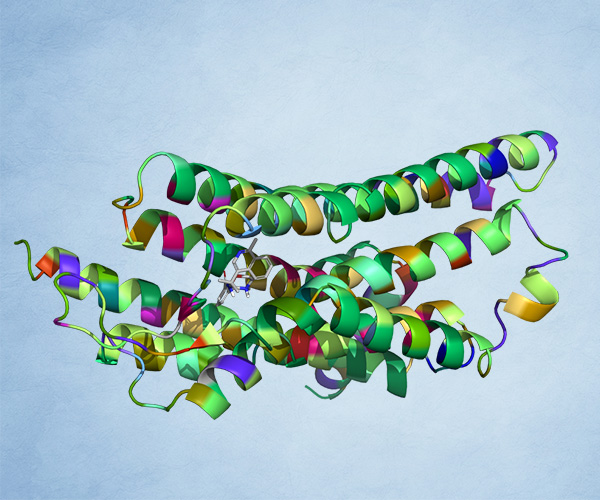
An easy-to-use tool for correcting common structural problems and creating reliable, all-atom protein models


Overview

Successful structure-based modeling projects demand not only accurate software, but accurate starting structures as well. Left untreated, common problems with experimentally-derived structures can lead to wasted time and resources. Schrödinger’s Protein Preparation Workflow is designed to help researchers ensure structural correctness at the outset of a project, equipping them with a high-confidence structure ideal for use with a wide variety of modeling applications.

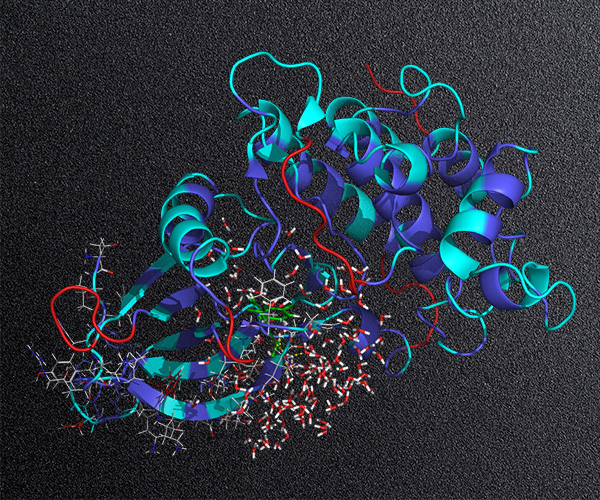
Experienced modelers know that accurate starting structures are a prerequisite for successful computational drug design. Unfortunately, even when working with a high-resolution x-ray crystallographic structure, researchers can spend considerable time and effort correcting common problems such as missing hydrogen atoms, incomplete side chains and loops, ambiguous protonation states, and flipped residues.

The Protein Preparation Workflow aggregates, automates, and integrates the most frequently used tools and techniques in structure preparation, without shoehorning the researcher into a single inflexible process. Throughout the preparation workflow, a user can choose whether or not to apply any given operation, and because intermediate structures are all organized in the project table, it becomes trivial to share any result with a colleague or use outside applications when a specialized approach may be called for.

More than just a handful of utilities for minor structural corrections, the Protein Preparation Workflow is a robust solution for ensuring a reasonable starting point at the outset of structure-based drug design projects, making it an attractive tool of choice for any chemist whose work relies upon accurate protein models.

Features

Performance

Using Schrödinger’s Protein Preparation Workflow, researchers can convert a raw PDB structure into all-atom, fully prepared protein models in minutes instead of hours or days, while also ensuring the accuracy of all downstream modeling simulations.

The Protein Preparation Workflow enables this increased efficiency in structure preparation by including tools which allow you to:

  • Automatically import full PDB files — or any chain within a PDB file — from local databases or the PDB website
  • Automatically add missing hydrogen atoms
  • Correct metal ionization states to ensure proper formal charge and force field treatment
  • Enumerate bond orders to HET groups
  • Remove co-crystallized water molecules at the user’s discretion
  • Cap protein termini with ACE and NMA residues
  • Highlight residues with missing atoms or multiple occupancies
  • Pre-process structures for Prime, Schrödinger’s program for protein structure prediction
  • Easily navigate between different residues, HET groups, and chains using intuitive graphical tools
  • Quickly and easily determine the most likely ligand protonation state as well as the energy penalties associated with alternate protonation states
  • Determine optimal protonation states for histidine residues
  • Correct potentially transposed heavy atoms in arginine, glutamine, and histidine side chains
  • Optimize the protein’s hydrogen bond network by means of a systematic, cluster-based approach, which greatly decreases preparation times
  • Perform a restrained minimization that allows hydrogen atoms to be freely minimized, while allowing for sufficient heavy-atom movement to relax strained bonds, angles, and clashes

References

  1. Disulfide Bond Engineering of an Endoglucanase from Penicillium verruculosum to Improve Its Thermostability

    Anna Bashirova, Subrata Pramanik, Pavel Volkov, Aleksandra Rozhkova, Vitaly Nemashkalov, Ivan Zorov, Alexander Gusakov, Arkady Sinitsyn, Ulrich Schwaneberg, and Mehdi D. Davari, Int J Mol Sci, 2023, 20(7), 1602

  2. A novel method for in silico assessment of Methionine oxidation risk in monoclonal antibodies: Improvement over the 2-shell model

    Davide Tavella, David R. Ouellette, Raffaella Garofalo, Kai Zhu, Jianwen Xu, Eliud O. Oloo, Christopher Negron, Peter M. Ihnat, PLoS ONE , 2022, 17(12)

  3. Novel, Self-Assembling Dimeric Inhibitors of Human β Tryptase

    Giardina, S.F.; Werner, D.S.; Pingle, M.; Feinberg, P.B.; Foreman, K.W.; Bergstrom, D.E.; Arnold, L.D.; Barany, F., J. Med. Chem., 2020, 63(6), 3004–3027

  4. Clobetasol Propionate Is a Heme-Mediated Selective Inhibitor of Human Cytochrome P450 3A5

    Wright, W.C.; Chenge, J.; Wang, J.; Girvan, H.M.; Yang, L.; Chai, S.C.; Huber, A.D.; Wu, J.; Oladimeji, P.O.; Munro, A.W.; Chen, T., J. Med. Chem., 2020, 63 (3), 1415–1433

  5. Small-molecule targeting of MUSASHI RNA-binding activity in acute myeloid leukemia

    Minuesa, G.; Albanese, S. K.; Xie, W.; Kazansky, Y.; Worroll, D. et al., Nature Communications, 2019, 10, 2691 (2019)

  6. Predicting mutations deleterious to function in beta-lactamase TEM1 using MM-GBSA

    Negron, C.; Pearlman, D.A.; del Angel, G., PLoS ONE, 2019, 14(3), e0214015

  7. Characterizing the Chemical Space of ERK2 Kinase Inhibitors Using Descriptors Computed from Molecular Dynamics Trajectories

    Ash, J.; Fourches, D., J. Chem. Inf. Model., 2017, 57 (6), 1286–1299

  8. Adverse Drug Reactions Triggered by the Common HLA-B*57:01 Variant: A Molecular Docking Study

    Van Den Driessche, G.; Fourches, D., J. Cheminform., 2017, 9 (13), 1-17

  9. Predicting the Effect of Amino Acid Single-Point Mutations on Protein Stability—Large-Scale Validation of MD-Based Relative Free Energy Calculations

    Steinbrecher, T.; Zhu, C.; Wang, L.; Abel, A.; Negron, C.; Pealman, D.; Feyfant, E.; Duan, J.; Sherman, W., J. Mol. Biol. , 2017, 429 (7), 948-963

  10. Predicting Binding Affinities for GPCR Ligands Using Free-Energy Perturbation

    Lenselink, E.B.; Louvel, J.; Forti, A.F.; van Veldhoven, J.P.D.; de Vries, H.; Mulder-Krieger, T.; McRobb, F.M.; Negri, A.; Goose, J.; Abel, R.; van Vlijmen, H.W.T.; Wang, L.; Harder, E.; Sherman, W.; IJzerman, A.P.; Beuming, T., ACS Omega, 2016, 1, 293-304

  11. Selection of Nanobodies that Block the Enzymatic and Cytotoxic Activities of the Binary Clostridium Difficile Toxin CDT

    Unger, M; Eichhoff, AM; Schumacher, L; Strysio, M; Menzel, M; Schwan, C; Alzogaray, V; Zylberman, V; Seman, M; Brandner, J; Rohde, H; Zhu, K; Haag, F; Mittrücker, H; Goldbaum, F; Aktories, K; Koch-Nolte, F., Scientific Reports, 2015, 5(7850), 1-10

  12. Accurate Binding Free Energy Predictions in Fragment Optimization

    Steinbrecher, T.B.; Dahlgren, M.; Cappel, D.; Lin, T.; Wang, L.; Krilov, G.; Abel, R.; Friesner, R.; Sherman, W., J. Chem. Inf. Model., 2015, 55 (11), 2411–2420

  13. The marine-derived sipholenol A-4-O-3′,4′-dichlorobenzoate inhibits breast cancer growth and motility in vitro and in vivo through the suppression of Brk and FAK signaling

    Akl, M.R.; Foudah, A.I.; Ebrahim, H.Y.; Meyer, S.A.; El Sayed, K.A., Mar. Drugs, 2014, 12(4), 2282-2304

  14. Discovery of Thienoquinolone Derivatives as Selective and ATP Non-Competitive CDK5/p25 Inhibitors by Structure-Based Virtual Screening

    Chatterjee, A.; Cutler, S.J.; Doerksen, R.J.; Khan, I.A.; Williamson, J.S., Bioorg. Med. Chem., 2014, 22, 6409-6421

  15. Mechanistic and Computational Studies of the Reductive Half-Reaction of Tyrosine to Phenylalanine Active Site Variants of d-Arginine Dehydrogenase

    Gannavaram, S.; Sirin, S.; Sherman, W.; Gadda, G., Biochemistry, 2014, 53(41), 6574-6583

  16. Physics-Based Enzyme Design: Predicting Binding Affinity and Catalytic Activity

    Sirin, S.; Pearlman, D.A.; Sherman, W., Proteins, 2014, 82(12), 3397-409

  17. A Computational Approach to Enzyme Design: Predicting ω-Aminotransferase Catalytic Activity Using Docking and MM-GBSA Scoring

    Sirin, S.; Kumar, R.; Martinez, C.; Karmilowicz, M.J.; Ghosh, P.; Abramov, Y.A.; Martin, V.; Sherman, W., J. Chem. Inf. Model., 2014, 54(8), 2334-2346

  18. Protein and ligand preparation: Parameters, protocols, and influence on virtual screening enrichments

    Sastry, G.M.; Adzhigirey, M.; Day, T.; Annabhimoju, R.; Sherman, W., J. Comput. Aid. Mol. Des., 2013, 27(3), 221-234

  19. Improved docking of polypeptides with Glide

    Tubert-Brohman, I.; Sherman, W.; Repasky, M.; Beuming, T., J. Chem. Inf. Model., 2013, 53(7), 1689-1699

  20. Boosting virtual screening enrichments with data fusion: Coalescing hits from two-dimensional fingerprints, shape, and docking

    Sastry, G.M.; Inakollu, V.S.; Sherman, W, J. Chem. Inf. Model., 2013, 53, 1531-1542

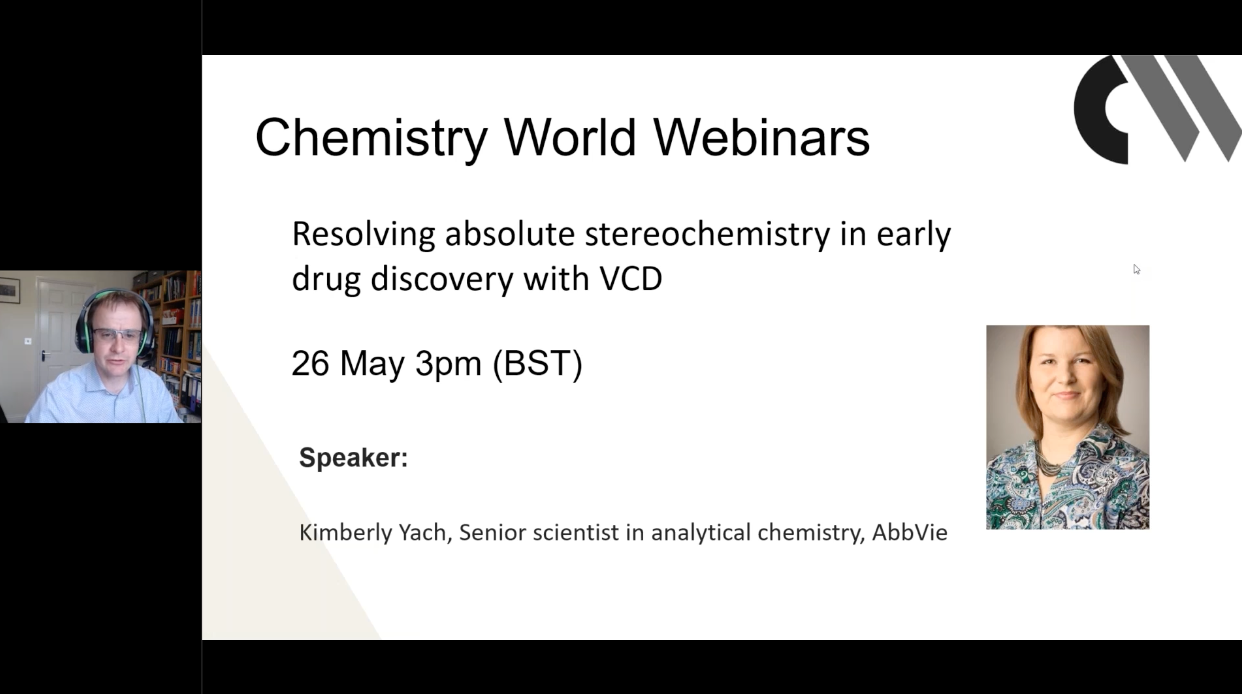
Resolving Absolute Stereochemistry in Early Drug Discovery with VCD

MAY 26, 2022

Resolving Absolute Stereochemistry in Early Drug Discovery with VCD

Speaker

Kimberly Yach
Senior Scientist in Analytical Chemistry at AbbVie

Abstract

Determining the absolute configuration of small molecules is important early in the drug discovery process. The traditional methodology, X-ray analysis, requires a single crystal. Unfortunately, crystallisation of early-stage molecules can be problematic and time consuming. During this hour-long webinar with guest speaker Kimberly Yach, we’ll explore an alternative.

Vibrational circular dichroism (VCD) can determine absolute stereochemistry of small molecules in solution. In addition, with access to commercial VCD instruments and accompanying software tools, this data can now be acquired in a general analytical lab setting without requiring an expert user or extensive training.

Kimberly will present examples of VCD studies in an R&D analytical support lab, showing you how to get the most out of this technique. She will then explain how VCD fits into the routine pharma workflow and the medicinal chemical laboratory. Finally, we’ll look at examples which highlight observations on sample preparation and the use of quantum chemical software tools.

Key Learning Objectives:

  • How VCD fits into the routine pharma and medicinal chemical workflow
  • How to determine absolute configuration of chiral molecules in solution, without crystallisation
  • How to easily combine computational chemistry with experimental measurements
  • Best practices for VCD, from sample preparation through data collection to stereochemical structure

Pharmaceutical formulation

Pharmaceutical Formulation

Schrödinger’s Materials Science software suite offers a range of computational solutions for advancing pharmaceutical formulation, from crystalline or amorphous form characterization, to selection of materials and excipients for processing, to formulations and delivery of active pharmaceutical ingredients (APIs).

Keywords: Crystal structure prediction (CSP), Solubility, Amorphous solid dispersions (ASD), Lipid nanoparticle (LNP), Machine learning, Spectroscopy, Catalysis, API degradation


Background

Due to the accelerating pace of drug discovery, fast and efficient ways to both preformulate and formulate new drugs are critical elements of pharmaceutical development. The latest advancements in molecular modeling and AI/ML are enabling atomistic-level insights to improve drug formulations and the ability to evaluate large numbers of candidate materials and formulations prior to experiments.

Optimizing Drug Formulations with Machine Learning

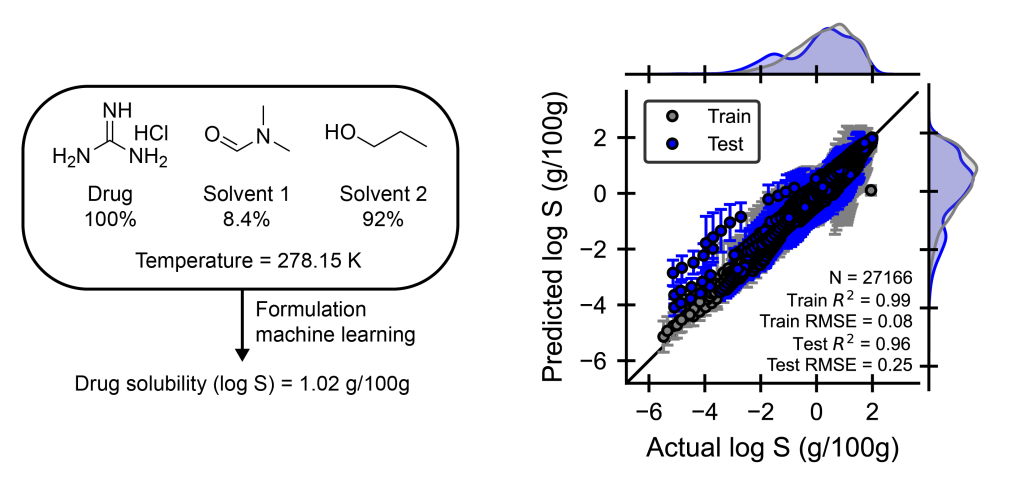
Mixtures of chemical ingredients, such as formulations, are ubiquitous in materials science, but optimizing their properties remains challenging due to the vast design space. Experimentally fine-tuning formulations for desired properties is expensive because of the large design space of both ingredient structures and compositions. Machine learning (ML) approaches that can accurately map ingredient structure and composition to properties offer a promising solution to rapidly screen formulations for desired target properties. Using Schrödinger’s automated Formulation ML workflow, we demonstrate that formulation-property models can accurately predict temperature-dependent drug solubilities for single or binary solvent systems. The parity plot shows that the Formulation ML workflow achieves a test set R2 of 0.96 (an ideal model would achieve R2 of 1.00), which highlights the accuracy of ML approaches. These tools enable rapid screening capabilities that transform the way we design drugs and take only seconds to generate a prediction, which is orders of magnitude faster than trial-and-error experimental exploration.1

Example of a drug in single or binary solvent mixtures with compositions in mole percent and temperature that is passed into a formulation machine learning model to predict the drug solubility in grams drug / 100 grams solution using a dataset extracted from Bao, Z, et. al. J Cheminform, 2024, 16, 117. 

1. Chew AK, et al. npj Comput Mater, 2025, 11, 72.

Accelerating Amorphous Solid Dispersion Development

Amorphous solid dispersions (ASDs) are widely used to formulate APIs into safe and effective media for human absorption. From screening for compatibility to understanding dissolution mechanisms, the Schrödinger Platform has tools for speeding ASD development.

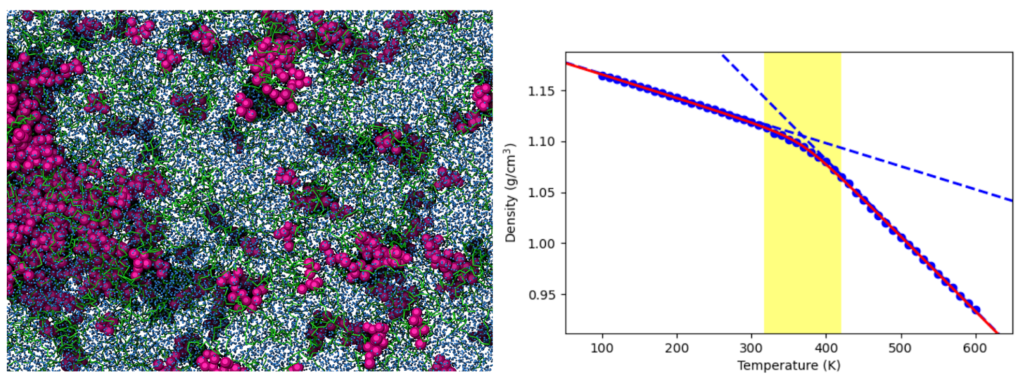
Complex interactions between an API and key ASD components (e.g., polymers, surfactants, and stabilizers) during dissolution are easily viewed and analyzed with coarse-grained physicsbased simulations such as dispersive particle dynamics (DPD) simulations. The underlying mechanisms governing the overall ASD dissolution process are then accessible, helping to solve practical challenges such as solvent-induced phase separation and the impact of drug load on ASD stability and miscibility. Beyond dissolution, other anhydrous dynamic processes are critical for ASD design. One key factor is the glass transition temperature (Tg), as maintaining the ASD system below Tg prevents excessive polymer mobility that could lead to API recrystallization, ultimately reducing ASD efficiency and shelf-life. Schrödinger’s molecular dynamics workflow provides a reliable method for estimating the Tg of the drug and ASD systems, allowing the targeted design of safe API ASD formulations.1-2

Molecular simulation applications for amorphous solid dispersions. Top: DPD simulations reveal polymersurrounding API aggregates in a ritonavir (purple balls) – copovidone (green tubes) ASD. Bottom: Schrödinger’s molecular dynamics workflow estimates the glass transition temperature (Tg) of bucindolol with a 3.6% error relative to the experimental value.

1. Afzal M, et al. Mol Pharmaceutics, 2021, 18, 11, 3999-4014.

2. Walter S, et al. Pharmaceutics, 2024, 16, 10, 1292.

To learn more about our solutions, download the full white paper

Software and services to meet your organizational needs

Industry-Leading Software Platform

Deploy digital drug discovery workflows using a comprehensive and user-friendly platform for molecular modeling, design, and collaboration.

Research Enablement Services

Leverage Schrödinger’s team of expert computational scientists to advance your projects through key stages in the drug discovery process.

Scientific and Technical Support

Access expert support, educational materials, and training resources designed for both novice and experienced users.

Accelerating First-In-Class and Best-In-Class Programs Using a Large-Scale Digital Chemistry Strategy

MAY 24, 2022

Accelerating First-In-Class and Best-In-Class Programs Using a Large-Scale Digital Chemistry Strategy

Speaker

Aleksey Gerasyuto
Vice President, Drug Discovery, Schrödinger

Abstract

Drug discovery organizations across the globe are seeking to accelerate the rate at which they bring safe, effective therapeutics to patients. Yet the bar for clinical compounds remains high as competitive landscapes become crowded and easily druggable targets have been targeted. The most innovative companies are modernizing their R&D organizations with digital solutions that leverage the combined power of large-scale computational workflows and their own team’s scientific expertise to identify higher-quality molecules more rapidly. In this webinar, you’ll learn how a large-scale collaborative digital chemistry strategy is accelerating first-in-class and best-in-class programs across a range of target classes.

Structure-Based Screening 基于结构的虚拟筛选

MAY 19, 2022

Structure-Based Screening 基于结构的虚拟筛选

Speaker

Da Shi
Senior Scientist I

Abstract

史达博士,薛定谔公司

本培训我们将演示基于各种基于结构虚拟筛选工作流程,其中包括:

  • 小分子对接 (Glide)
  • 共价抑制剂对接 (Covalent Docking)
  • MMGBSA打分 (Prime MMGBSA)
  • Ligand Designer