Diverse computational strategies enable the discovery of p38α-MK2 molecular glues
 Date & Time
 - February 5th, 2026
- 8:00 AM PST | 11:00 AM EST | 4:00 PM GMT | 5:00 PM CET
 Location
 - Virtual


Molecular glues continue to offer drug hunters novel opportunities to target “undruggable” proteins – given their ability to enhance protein-protein interactions, their small size, and advantageous physicochemical properties (as compared to PROTACs). Recent work done by Schrödinger’s therapeutics group has shown how p38α-MK2 molecular glues can be designed that demonstrate superior properties relative to traditional orthosteric inhibitors. The resulting compounds have already demonstrated impact, as shown by a pronounced reduction in TNFα levels after PO dosing in LPS mouse models, and represent the validation of this modeling workflow for molecular glues.
In this webinar, Schrödinger’s medicinal and computational chemists will show how they used a multipronged computational design strategy to discover multiple structurally diverse, potent, and highly selective molecular glues. By using Schrödinger’s industry-leading free energy perturbation technology (FEP+), coupled with AutoDesigner, and machine learning tools (including AL-FEP and generative ML), the team successfully navigated vast chemical space while optimizing across multiple project criteria. For R&D teams, this workflow provides a blueprint for tackling challenging targets and accelerating the discovery of novel molecular glues for your own complex protein systems.
Webinar Highlights:
-
Learn new in silico strategies for the discovery of structurally diverse, potent, and selective molecular glues
-
See how Schrödinger’s medicinal and computational chemists use enumerations, physics-based methods, and AI/ML tools to tackle drug discovery and multiparameter optimization challenges
-
Ask questions to gain further insight from the speakers to apply to your work
Our Speakers
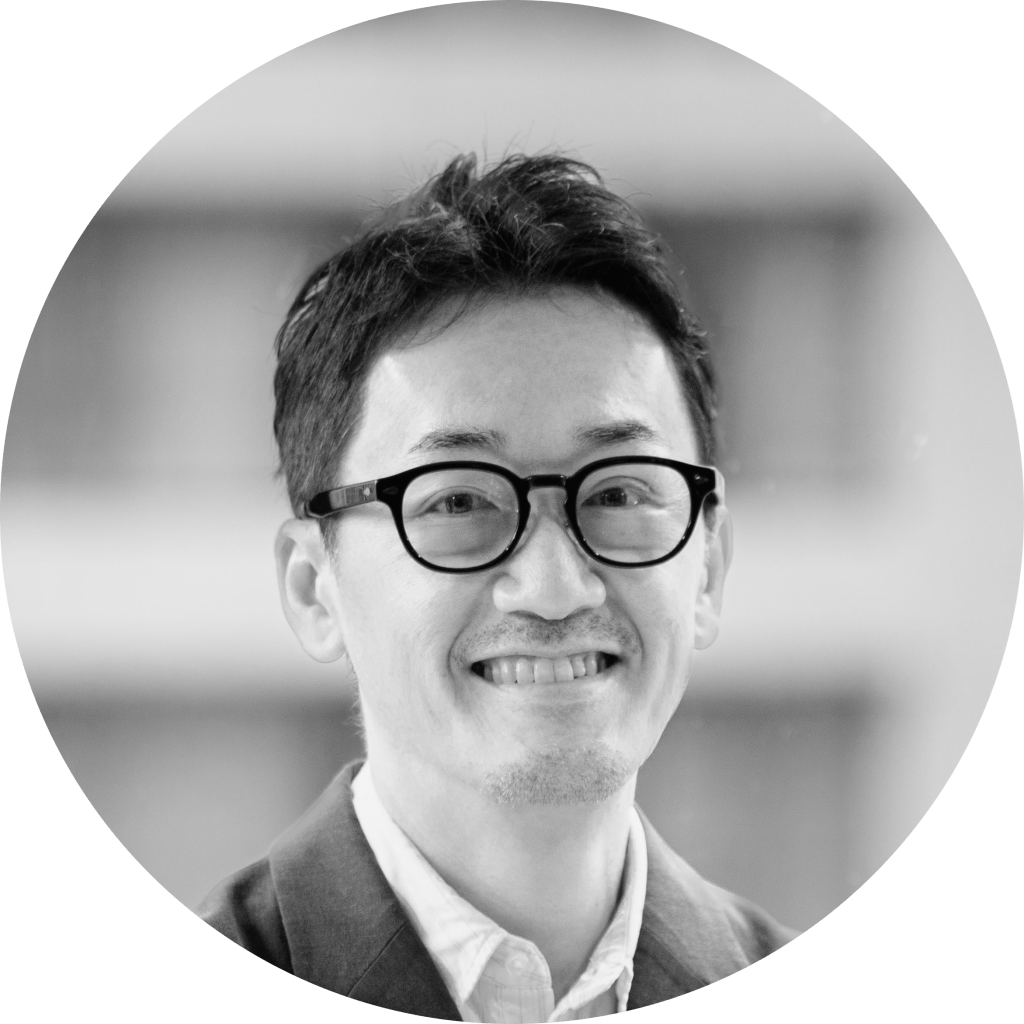
Hideyuki Igawa
Senior Director, Schrödinger
Hideyuki Igawa is a senior director in the therapeutics group at Schrödinger, where has been leading multiple drug discovery programs using Schrödinger’s computational platform. He received his MS in Chemistry from Kyoto University, then obtained his Ph.D. in Pharmaceutical Sciences from Nagoya City University. He previously worked at Takeda Pharmaceuticals and Tri-Institutional Therapeutics Discovery Institute, where he contributed to the discovery of multiple small molecule drug candidates towards the clinic.

Markus Dahlgren
Senior Principal Scientist, Schrödinger
Markus Dahlgren is a computational chemist at Schrödinger, where he has led drug discovery efforts using molecular modeling technologies since 2013. He received his Ph.D. in Organic Chemistry from Umeå University in Sweden in the laboratory of Professor Mikael Elofsson and subsequently completed a postdoctoral fellowship at Yale University in the laboratory of Professor William Jorgensen. His expertise bridges synthetic organic chemistry and computational methods, accelerating the discovery and development of novel small-molecule therapeutics.