RSC-BMCS / SCI 23rd Medicinal Chemistry Symposium
 Date & Time
 - September 14th-17th, 2025
 Location
 - Churchill College, Cambridge, United Kingdom


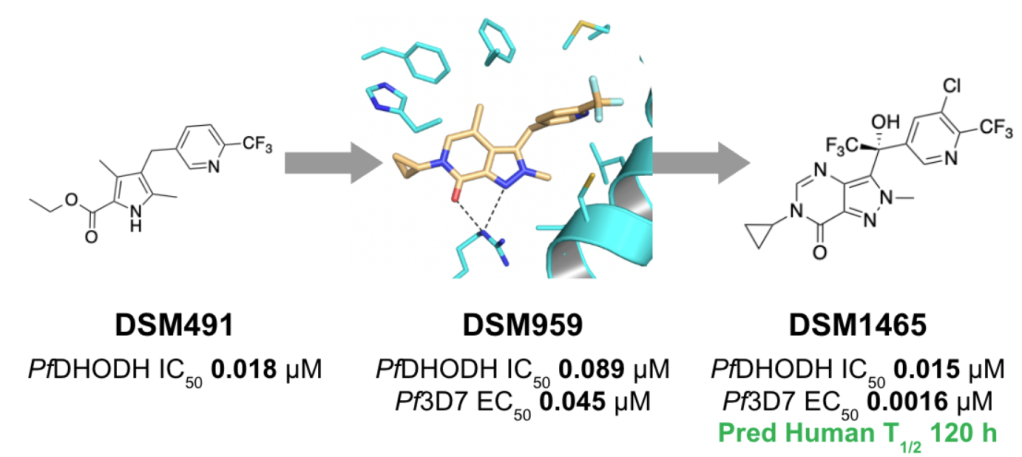
Schrödinger is excited to be participating in the RSC-BMCS / SCI 23rd Medicinal Chemistry Symposium conference taking place on September 14th – 17th in Churchill College, Cambridge, United Kingdom. Join us for a presentation by Zhe Nie, Executive Director of Medicinal Chemistry at Schrödinger, titled “Structure-based discovery and development of highly potent dihydroorotate dehydrogenase inhibitors for malaria chemoprevention.”
 SEPT 16 | 9:30
 Structure-based discovery and development of highly potent dihydroorotate dehydrogenase inhibitors for malaria chemoprevention
Speaker:
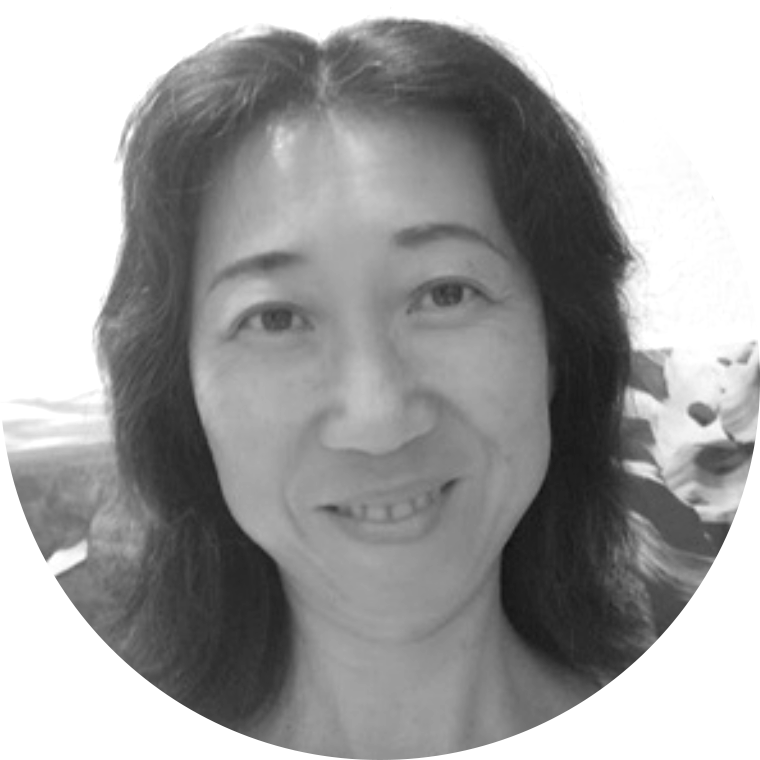
Zhe Nie, Executive Director, Medicinal Chemistry, Schrödinger
Abstract:
Malaria remains a serious global health challenge, yet treatment and control programs are threatened by drug resistance. Dihydroorotate dehydrogenase (DHODH) was clinically validated as a target for treatment and prevention of malaria through human studies with DSM265 (Phase 2), but currently no drugs against this target are in clinical use. We used structure-based computational tools including free energy perturbation (FEP+) to discover highly ligand efficient, potent and selective pyrazole-based Plasmodium DHODH inhibitors through a scaffold hop from a pyrrole-based series. Optimized pyrazole-based compounds were identified with low nM-to-pM Plasmodium falciparum cell potency and oral activity in a humanized SCID mouse malaria infection model. The lead compound DSM1465 is more potent and has improved ADME/PK properties compared to DSM265. This compound meets MMV’s objective of identifying compounds with potential to be used for once-monthly chemoprevention in Africa to support malaria elimination efforts.
Our Speaker
Zhe Nie
Executive Director, Medicinal Chemistry, Schrödinger
Dr. Zhe Nie is the Executive Director of Medicinal Chemistry at Schrödinger’s Therapeutic Group. She has been leading multiple wholly owned and partnered drug discovery programs at Schrödinger. Most recently, she led Schrödinger’s MALT1 discovery project team, successfully developed the small molecule drug SGR-1505 (Schrödinger’s first internal clinical asset currently in Ph1) applying Schrödinger’s computational platform. It took less than two years from the start of the project to the selection of the clinical candidate. She also led the DLK collaboration project with Takeda Pharmaceuticals which discovered a potent, selective, and brain-penetrate DLK inhibitor as a promising preclinical candidate for the treatment of neurodegenerative diseases using Schrödinger’s computational platform. She has extensive experiences in applying advanced computational tools to assist in the design of small molecule drug candidates. She previously worked at Takeda, Celgene and Quanticel Pharmaceuticals (acquired by Celgene), led and contributed to advancing multiple small molecule drugs to the clinics including TAK-960, TAK-659 and CC-90011.