Schrödinger workshop & presentation: Advanced computational tools for small molecule drug discovery

Workshop
Schrödinger presentation & workshop: Advanced computational tools for small molecule drug discovery
 Date & Time
 - May 23rd, 2024
 Location
 - Paris, France


We are pleased to invite you to join Schrödinger’s Small Molecule Drug Discovery Workshop & Presentation on May 23, 2024 in the heart of Paris at Espace Vinci, 25 Rue des Jeuneurs, 75002 Paris. This event is intended for R&D scientists to gain new insights into the latest technologies for structure-based drug discovery.
Join us to explore advanced workflows for ultra-large virtual screening and de novo compound design, learn from a successful case study, and gain practical skills using Schrödinger’s computational platform to enhance your drug discovery projects.
Scientific presentation
- Find better molecules, faster: Unlocking ultra-large chemical spaces for hit identification and lead optimization
- Introduction to advanced workflows for ultra-large virtual screening and de novo compound design
- Case study: Ultra-large virtual screening campaign
Design challenge
- Participants will have the opportunity to design, computationally assess, and prioritise novel CDK2 inhibitors
Hands-on molecular modelling workshop
- Gain practical molecular modelling experience by performing docking-based virtual screening on a target protein
Agenda
Our speakers

Steven Jerome
Senior Director, Schrödinger

Carlos Roca Magadán
Senior Scientist Molecular Modeling, Galapagos
Schrödinger Workshops: Accelerating Organic Electronics R&D with Digital Simulations and Enterprise Informatics

Conference
Schrödinger workshops: Accelerating organic electronics R&D with digital simulations and enterprise informatics
Date & Time - May 14th-16th, 2024
Location - San Jose, California
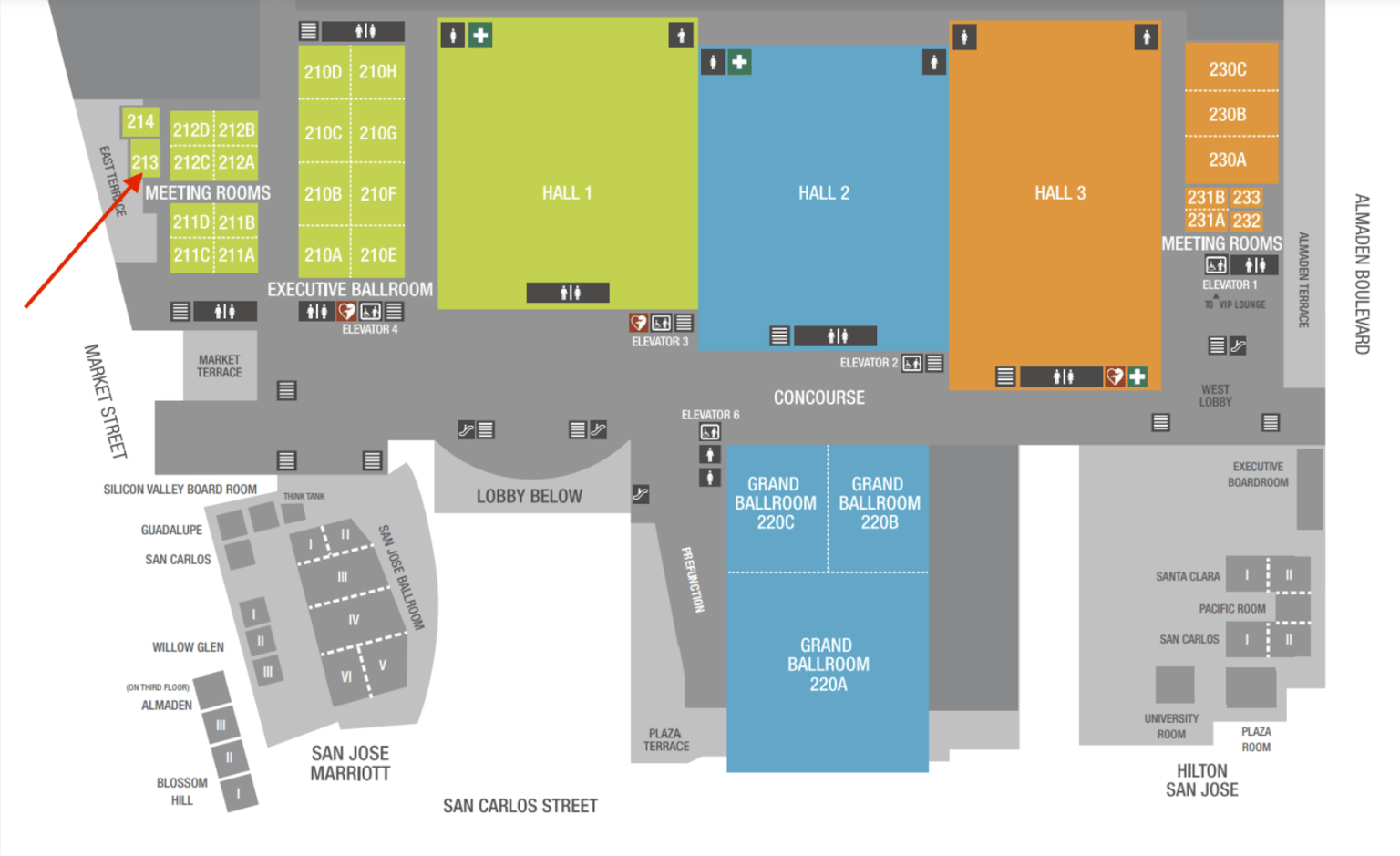
Join us for a free workshop day on May 15th at SID Display Week 2024 in Meeting Room 213. Schrödinger experts will walk you through guided demos and help you gain hands-on experience using digital simulations to expedite your organic electronics R&D.
Note that several sessions are repeated throughout the day. Each session is standalone, so you may register for one or all sessions. No prior computational experience is needed. Space is limited.
Please bring your laptop for hands-on workshop sessions.
Venue Map
A computational-based approach to fabricate Ceritinib co-amorphous system using a novel co-former Rutin for bioavailability enhancement
Beyond AI: The importance of physics-based simulations in next generation food design

MAY 9, 2024
Beyond AI: The importance of physics-based simulations in next generation food design
Schrödinger will be presenting in a live webinar on Beyond AI: The importance of physics-based simulations in next generation food design. This virtual event will be hosted by IFT (Institute of Food Technologists) on May 9th and features Dr. Jeffrey Sanders, product manager at Schrödinger.
Attend this webinar and learn:
- How to leverage data from physics-based simulations and machine learning to accelerate food R&D
- Practical examples and case studies that impact food product development
- To explore key areas in your R&D where physics-based simulation and machine learning can provide value
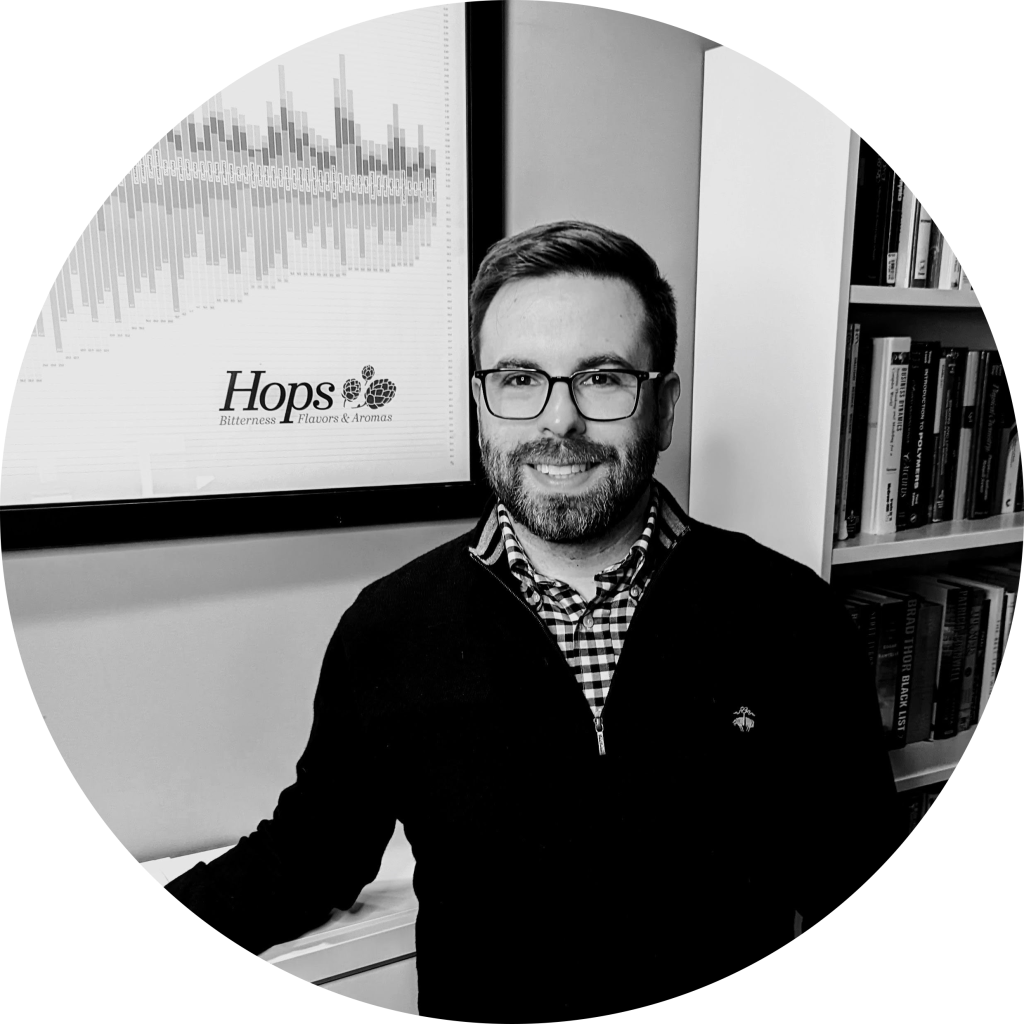
Dr. Jeffrey Sanders
Product Manager
Jeff Sanders received his B.S. in applied physics from Worcester Polytechnic Institute and then his Ph.D. in biophysics and molecular pharmacology from Thomas Jefferson Medical College. Since joining Schrödinger in 2013, he has served several roles and is currently the product manager and scientific lead for the consumer packaged goods applications group. Additionally, he is a managing board member of the Food Engineering, Expansion, and Development (FEED) institute and holds an adjunct position in the department of food science at University of Massachusetts, Amherst.
Overview
With the rise in utility and access to artificial intelligence (AI) solutions in everyday life, the food industry is searching for practical use cases to leverage its power. While some claim AI will render traditional research and development in the food industry obsolete, the paradigm shift has yet to come to fruition. In order for a digital transformation of such scale to occur, data will become the key driver.
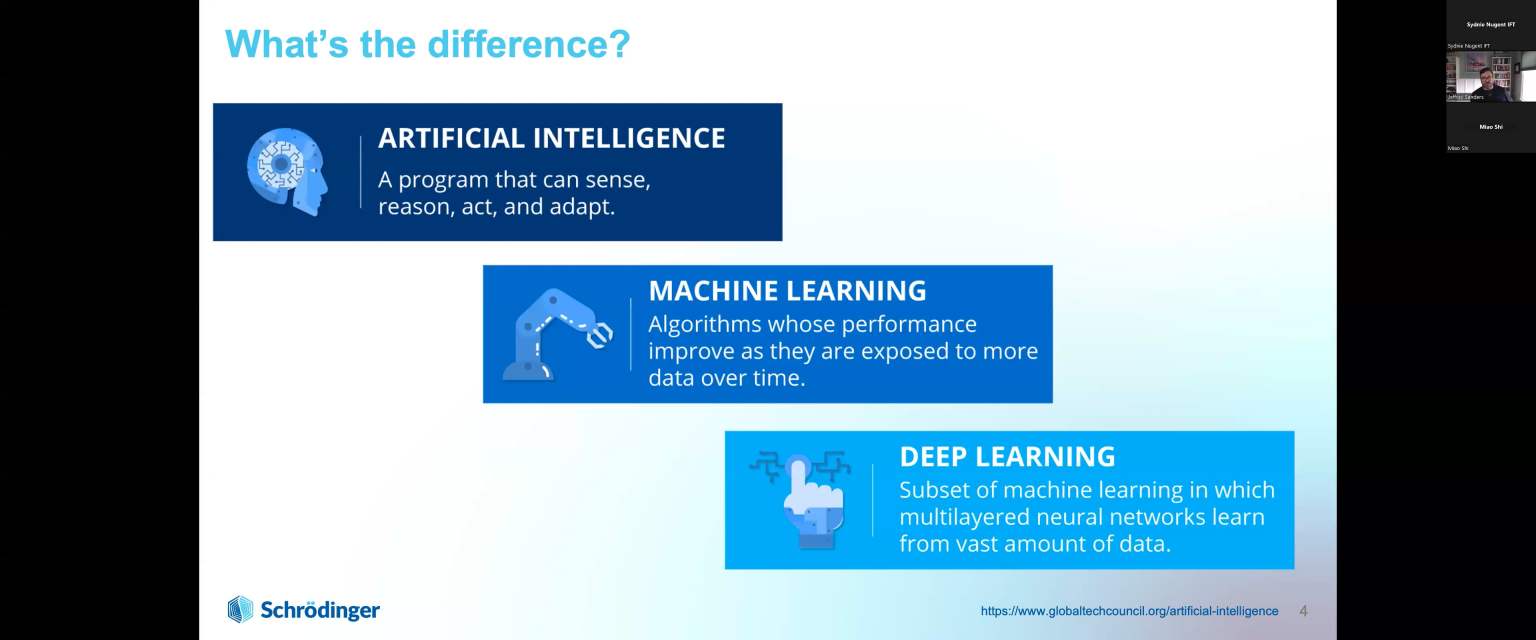
In food science, data collection is often sparse, or is collected at the macroscopic scale with little insight to the underlying physical and chemical driving forces. Unlike AI (also called machine learning), physics-based simulation is able to generate data based on realistic computational models of food products, processing, and packaging materials. The data generated is interpretable, allowing researchers and engineers to make informed decisions before embarking on costly experimental testing. By leveraging data generated from physics-based simulations at the molecular level combined with existing experimental data where available, machine learning models can then be generated overcoming the data sparsity issue often encountered. More importantly, physics-based simulations can help researchers develop models that are both interpretable and testable.
In this talk, we will explore how physics-based simulations are used in food research and the synergy that can be achieved when they are combined with machine learning models.