GA Optoelectronics
Design solution for novel molecular materials in optoelectronic applications based on genetic algorithm

Design solution for novel molecular materials in optoelectronic applications based on genetic algorithm
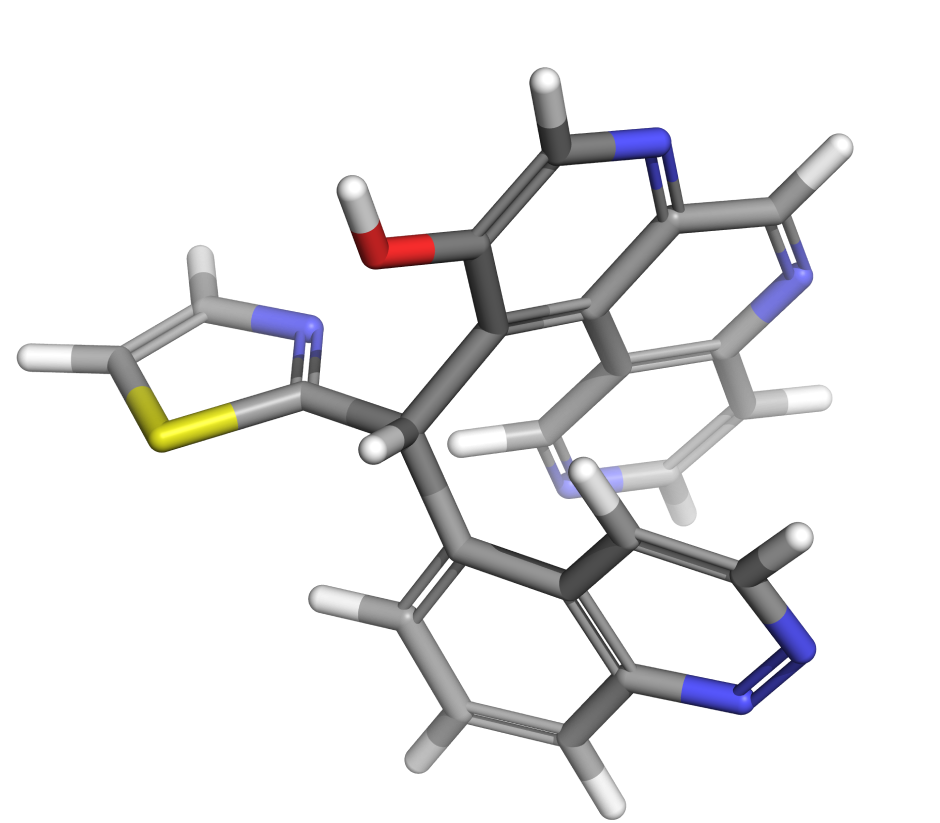
GA Optoelectronics evolves novel molecular analogs with desired properties using a genetic algorithm, generating structurally-new candidates from your seed compounds. By pairing this evolutionary search with quantum mechanics (QM) or ML-based property evaluation, it efficiently narrows a vast design space to the most promising candidates – accelerating experimental development, elucidating structure-property relationships, and informing your future synthetic targets.

Simultaneously target several optoelectronic properties in one run, each with its own target and weight
Score molecules with rigorous DFT calculations or swap in custom and pre-trained ML models to optimize properties for which DFT is slow or inaccurate (e.g. solubility and PLQY)
Drive structural novelty using advanced crossover (bond-based recombination) and mutations (elemental, isoelectronic, and fragment-library swaps), while strictly enforcing physical constraints such as atom count and molecular weight
Use the interactive viewer and pre-generation output files to monitor the population converge toward your design target in real time
Get more from your ideas by harnessing the power of large-scale chemical exploration and accurate in silico molecular prediction.
Get answers to common questions and learn best practices for using Schrödinger’s software.

Learn more about the related computational technologies available to progress your research projects.
Automated machine learning tools for materials science applications
Automated, scalable solution for the training and application of predictive machine learning models
Quantum mechanics solution for rapid and accurate prediction of molecular structures and properties
Browse the list of peer-reviewed publications using Schrödinger technology in related application areas.
Level up your skill set with hands-on, online molecular modeling courses. These self-paced courses cover a range of scientific topics and include access to Schrödinger software and support.
Learn how to deploy the technology and best practices of Schrödinger software for your project success. Find training resources, tutorials, quick start guides, videos, and more.