Practical Materials Informatics: Designing Molecules, Formulations, and Devices
Learn how to apply informatics tools to design molecules, formulations, and devices for materials science applications

Learn how to apply informatics tools to design molecules, formulations, and devices for materials science applications
Materials informatics brings machine learning to every stage of materials and device design, from predicting a single molecule’s properties to optimizing multi-component formulations to guiding device-level performance. This course teaches you to build and apply Machine Learning (ML) models using Schrödinger’s Materials Science Maestro (MS Maestro) interface, with no coding required.
You’ll work hands-on with real property-prediction datasets spanning small organic and organometallic molecules, ionic liquids, catalysts, polymers, inorganic solids, and formulated products. Then, you will extend that workflow to device design. By the end of the course, you will independently build, evaluate and apply ML models for a real-world design problem.
This materials informatics course offers an effective and efficient approach to learn practical data-driven workflows for materials science:
This course comes with access to a web-based version of Schrödinger software with the necessary licenses and compute resources for the course:

Learn the basics of materials informatics and how to use an industry-leading interface for data-driven materials science modeling. No coding or scripting required to run modeling workflows
Learn how to build, train, validate, and apply models for structure-property relationships across diverse chemistries and applications
Learn how to build, train, validate and apply models for formulation-property relationships of multi-component mixtures across diverse chemistries and applications
Learn how to build, train, validate and apply models for device-property relationships of layered devices with a focus on organic light-emitting diodes (OLEDs) devices
Introduction to materials informatics

Introduction to materials informatics

Introduction to materials science (MS) Maestro

Predicting properties: From molecules to materials
Introduction to structure-property relationships

Formulation informatics & design
Introduction to formulation machine learning
Device-level informatics: OLED applications
Introduction to machine learning for OLED devices
Independent case study

Developing a QSAR model for aqueous solubility
Optimizing the solubility and cost of drug-solvent formulations
Designing an OLED device with a target emission color
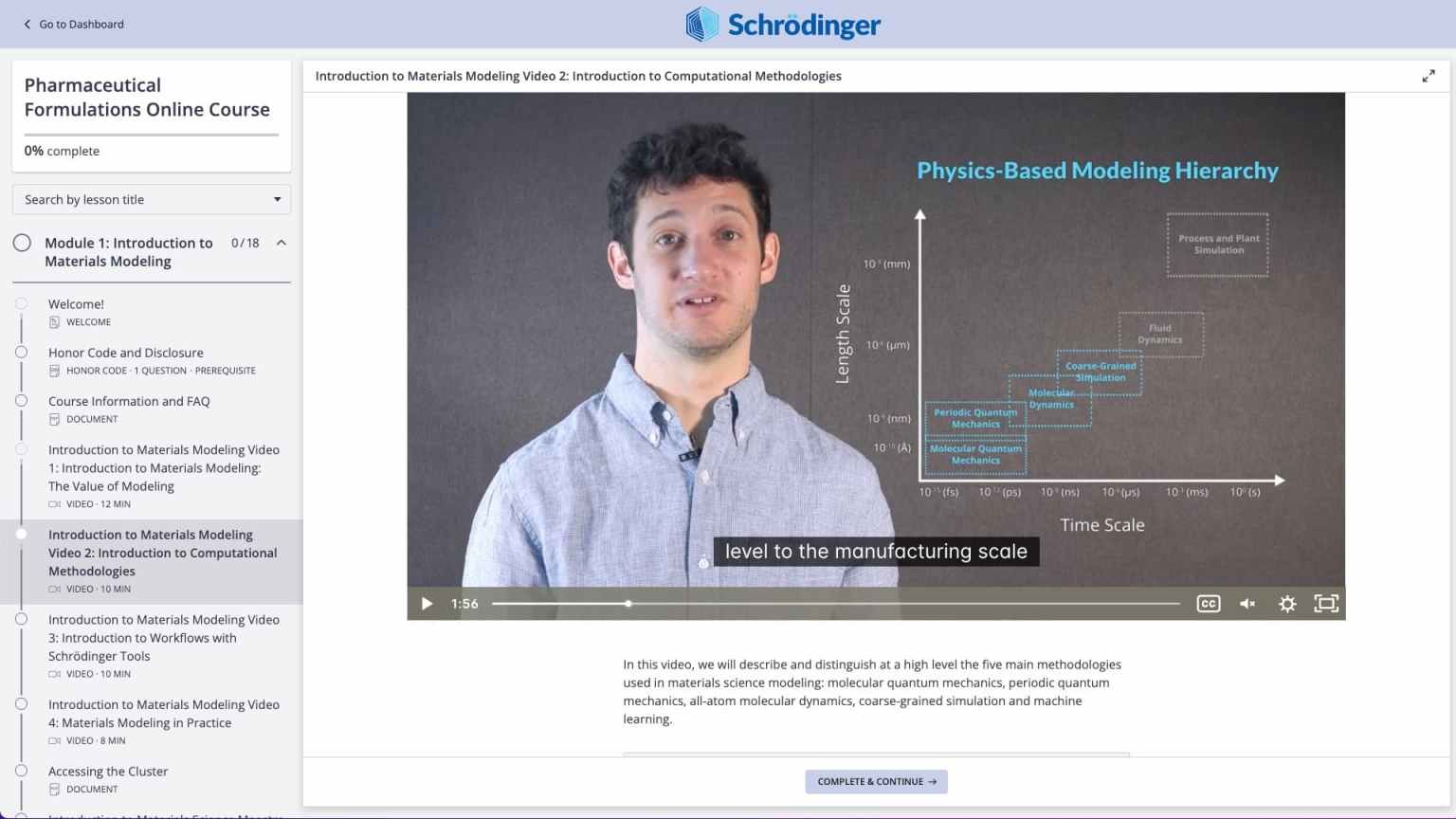
Self-paced video lessons on materials modeling
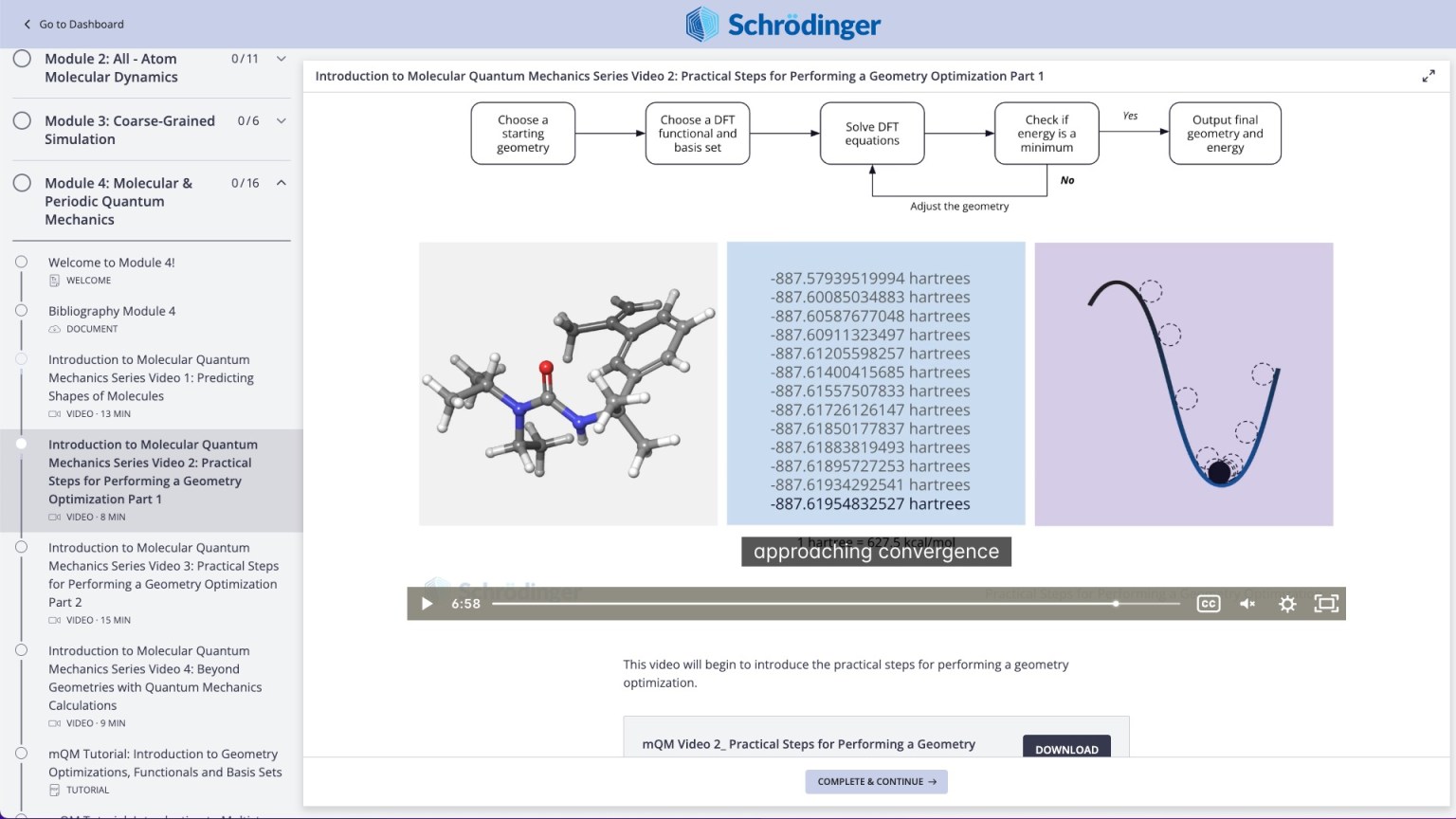
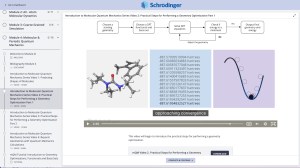
Videos on practical theory break down complex scientific concepts (e.g. Molecular Quantum Mechanics)
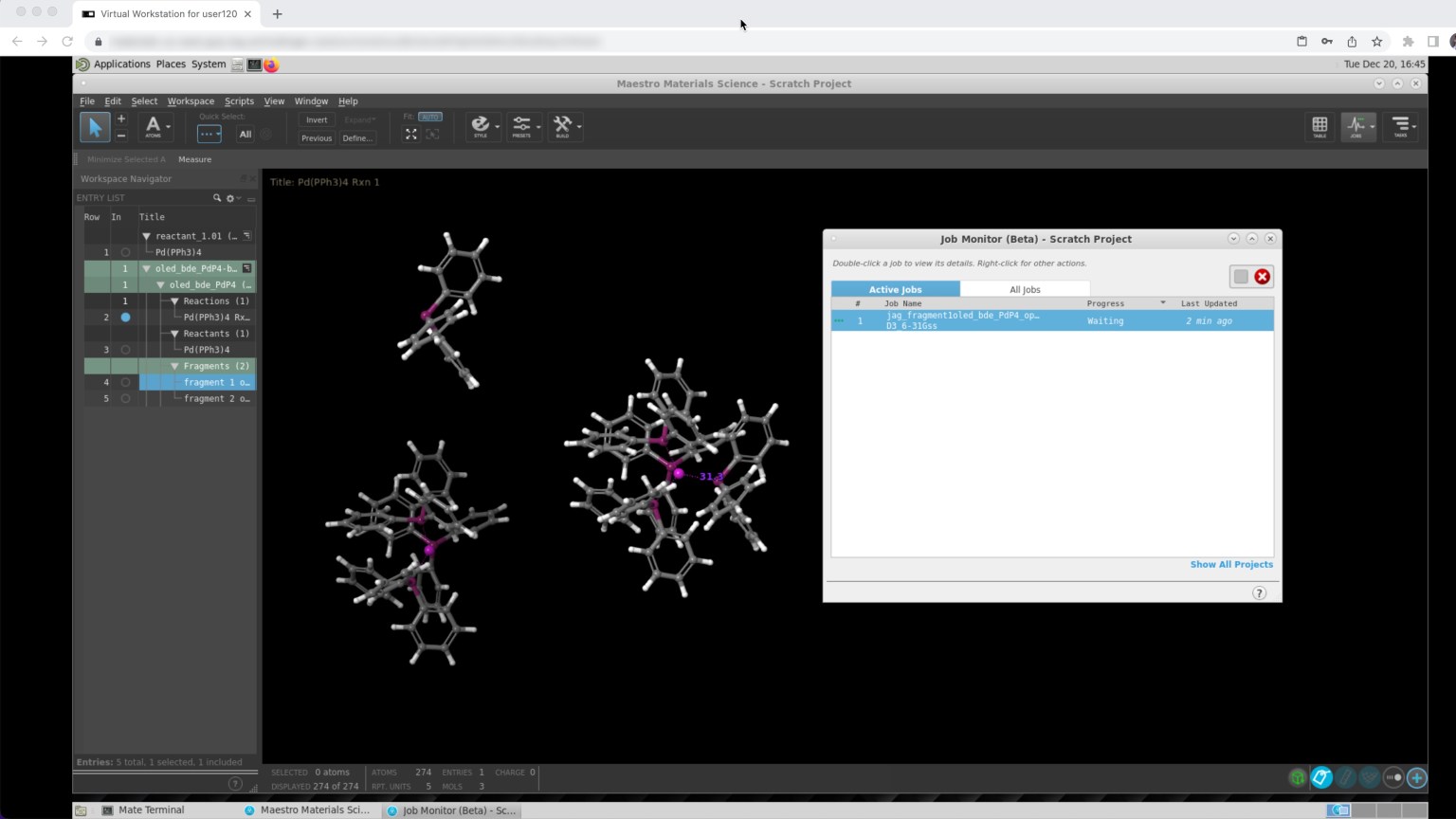
Access cloud-based computing resources to perform calculations yourself
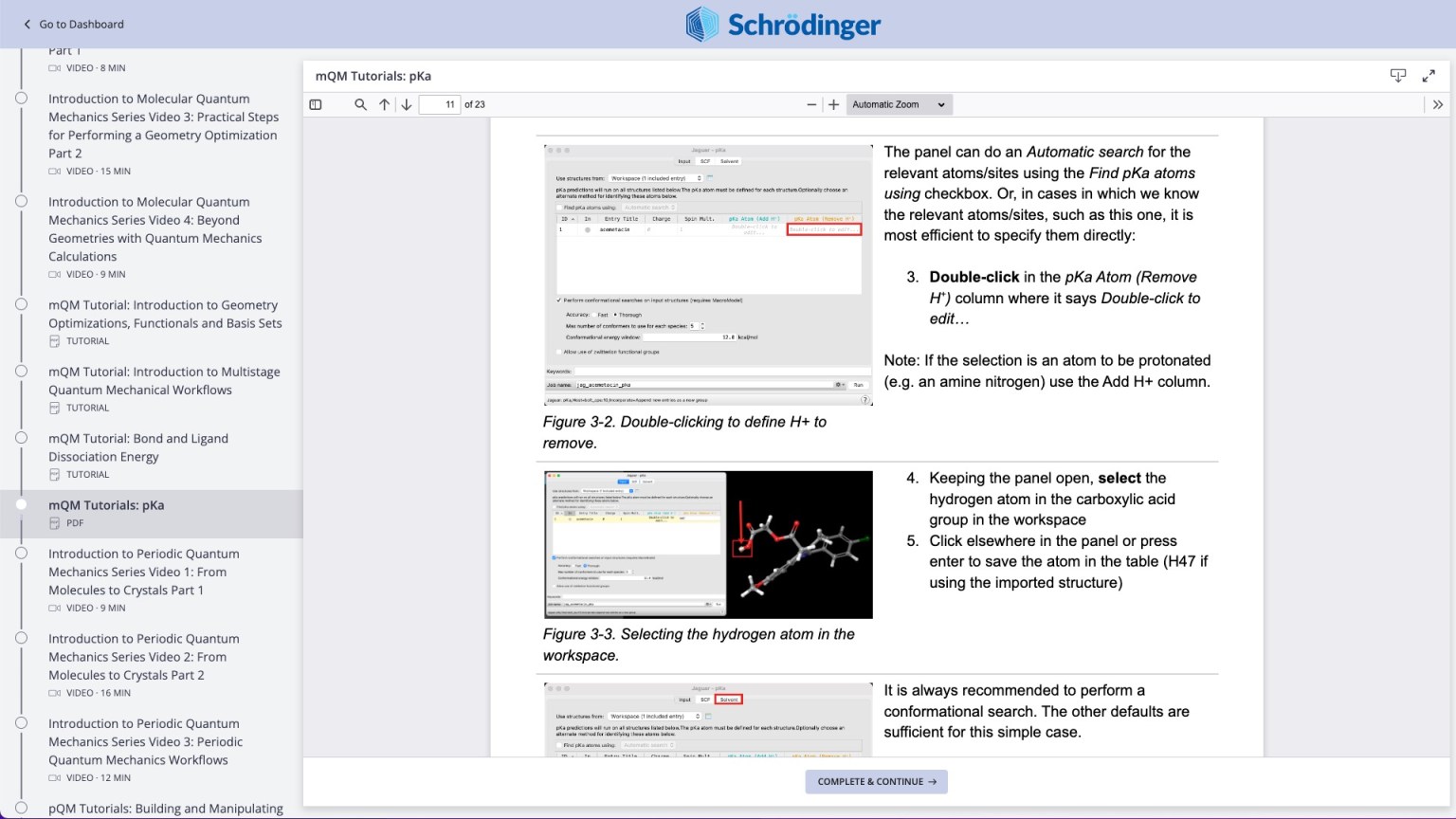
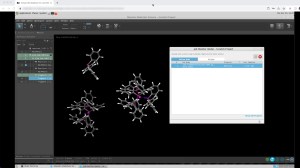
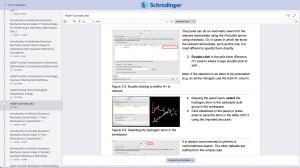
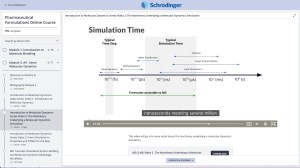
Hands-on step-by-step tutorials (e.g. Pharmaceutical Formulations course, pKa prediction)
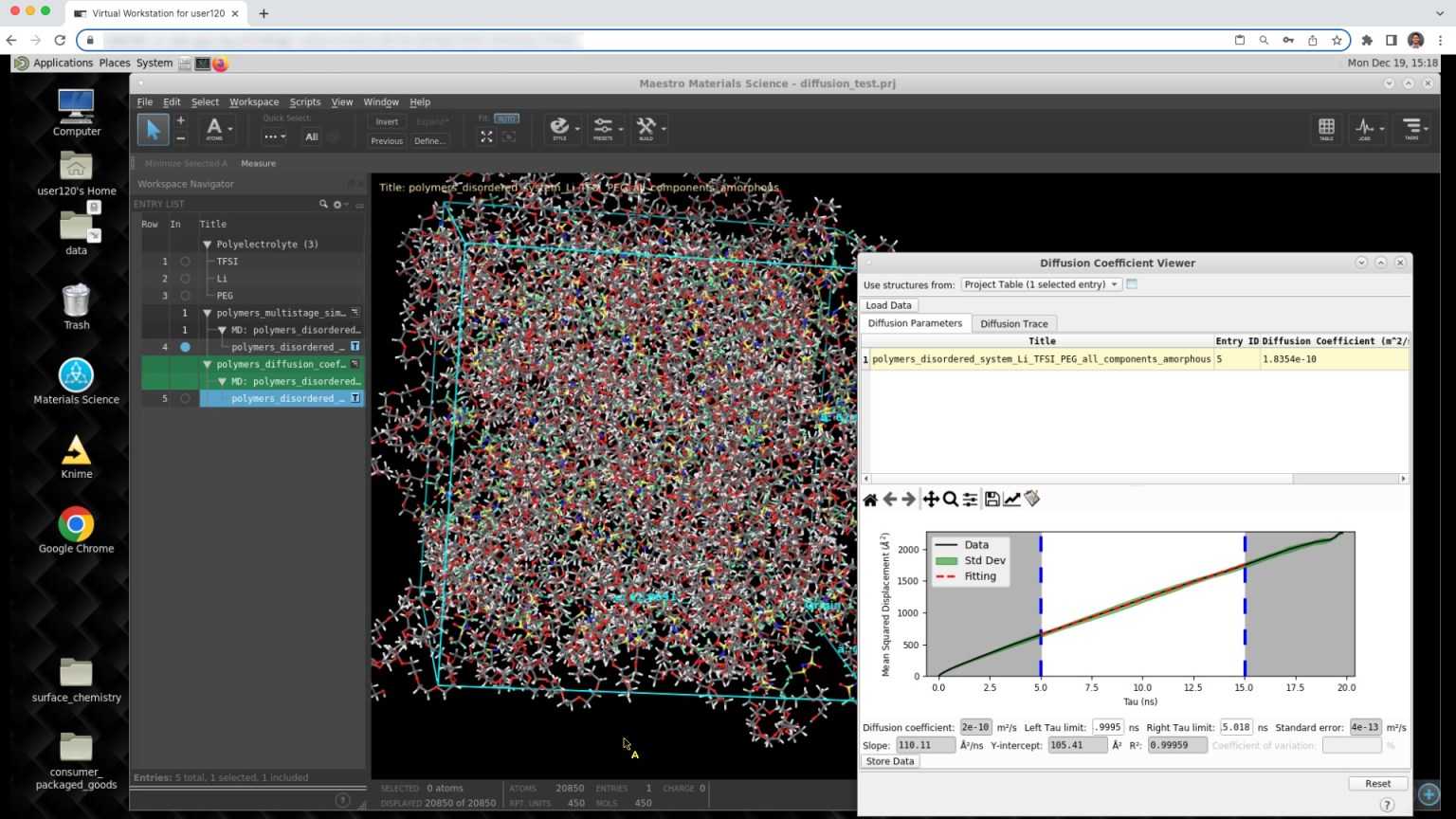
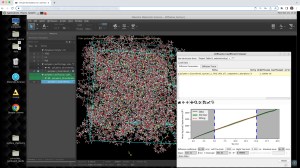
Hands-on modeling in the web-based graphical user interface (e.g. Polymeric Materials course, Diffusion tutorial)
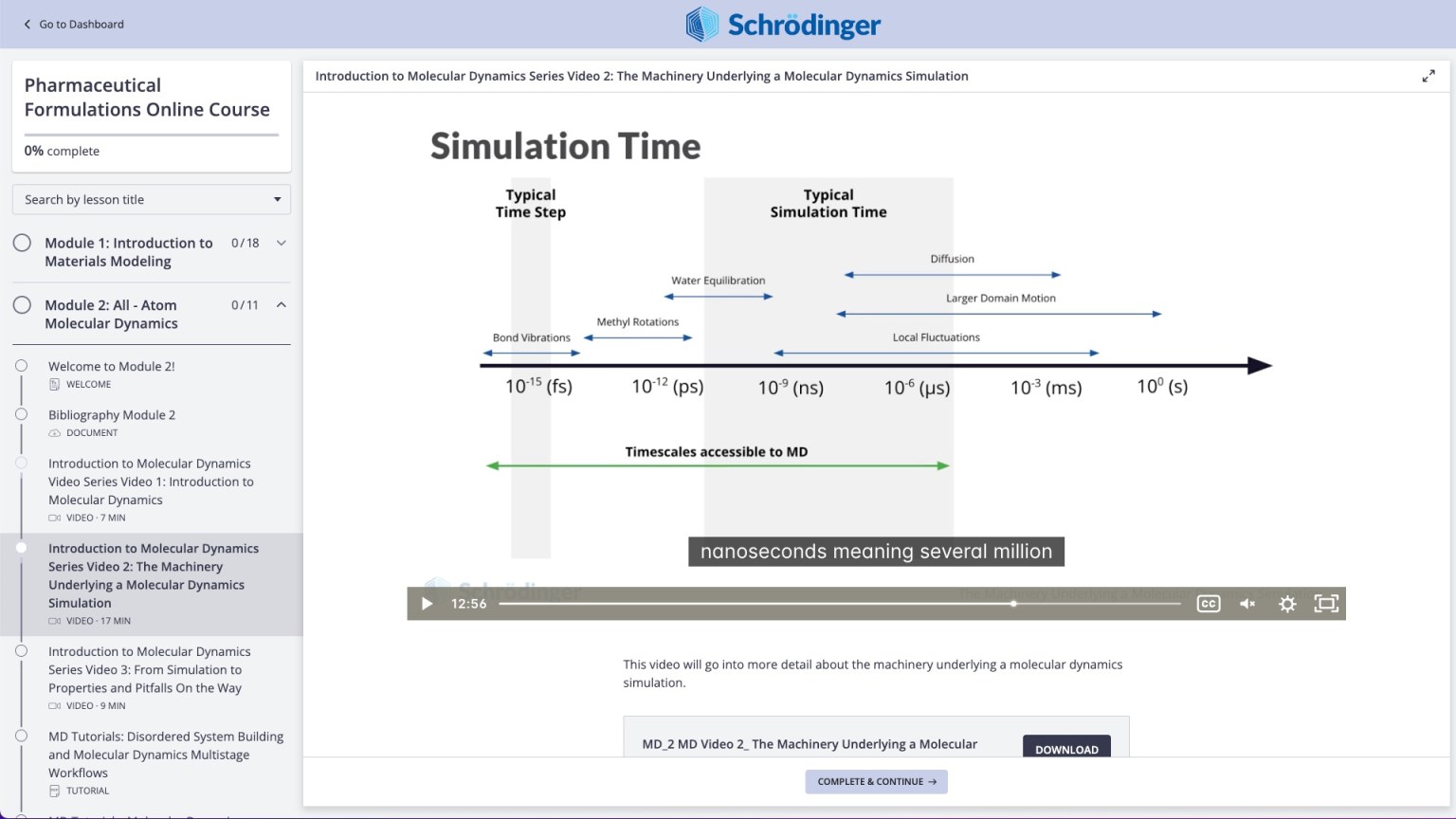
Videos on practical theory break down complex scientific concepts (e.g. Molecular Dynamics)
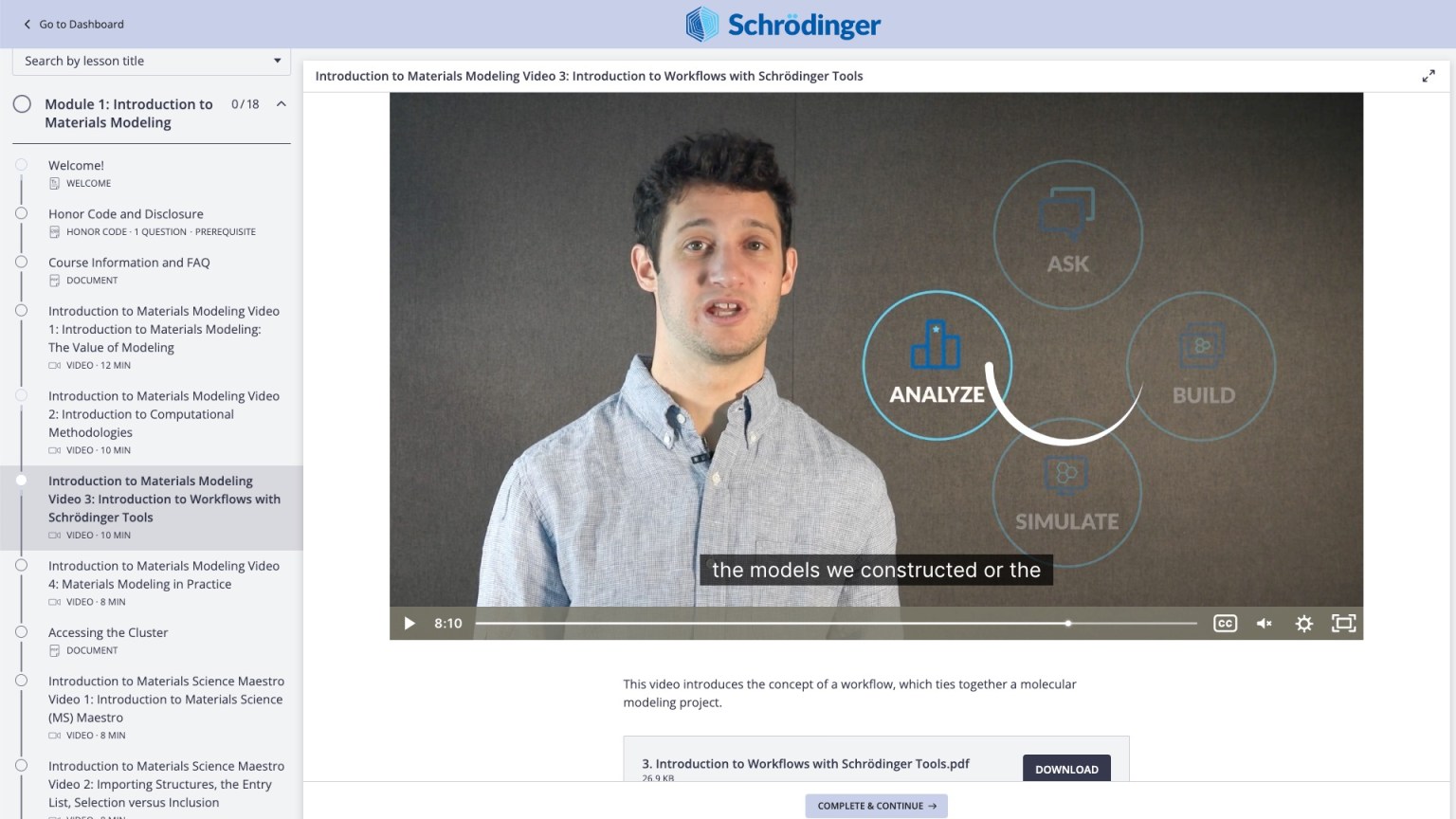
On-demand video lessons on materials modeling
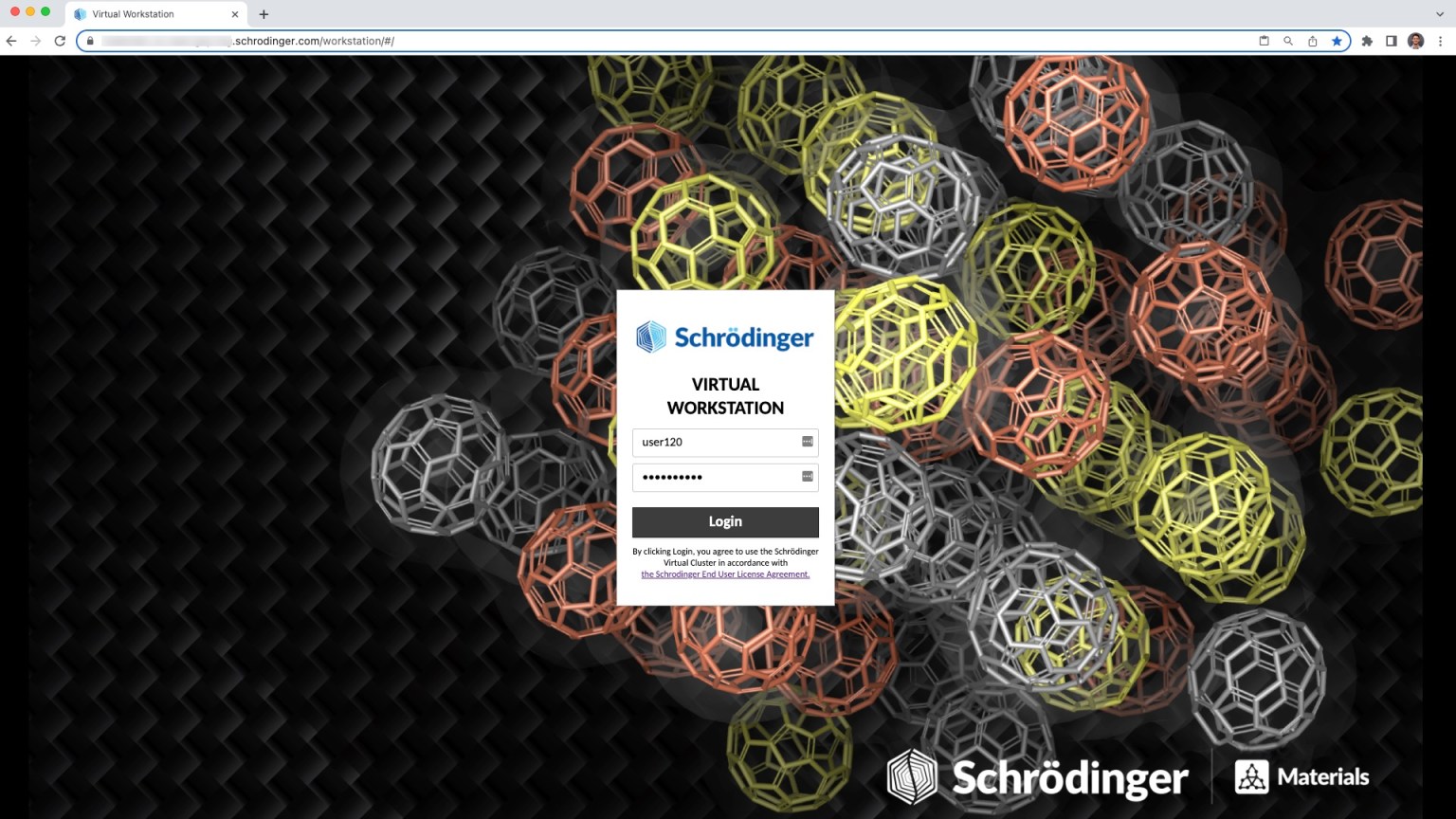
Access cloud-based computing resources to perform calculations yourself
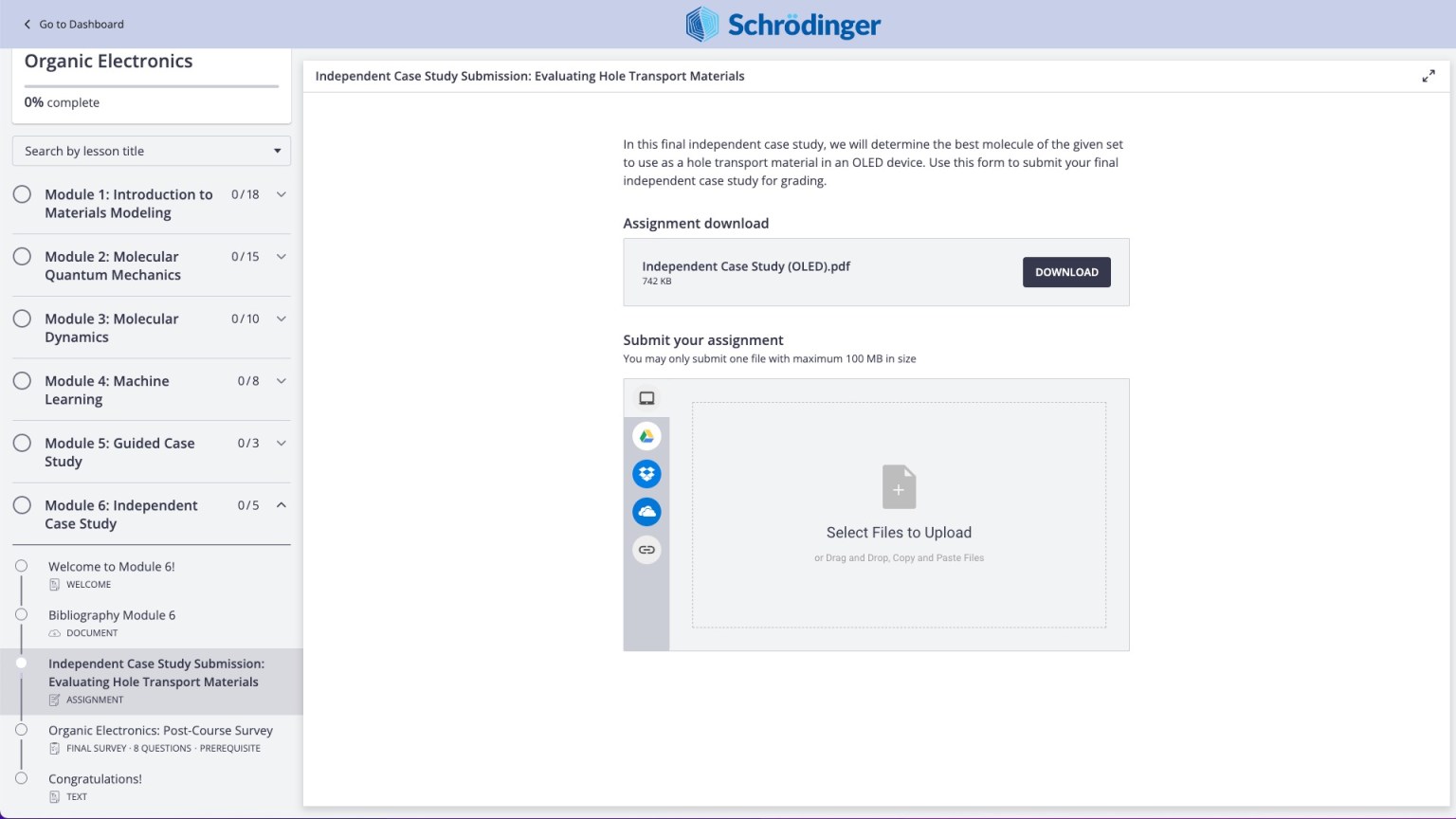
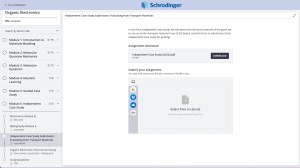
Perform case studies with expert feedback (e.g. Organic Electronic Course, Independent Case Study)
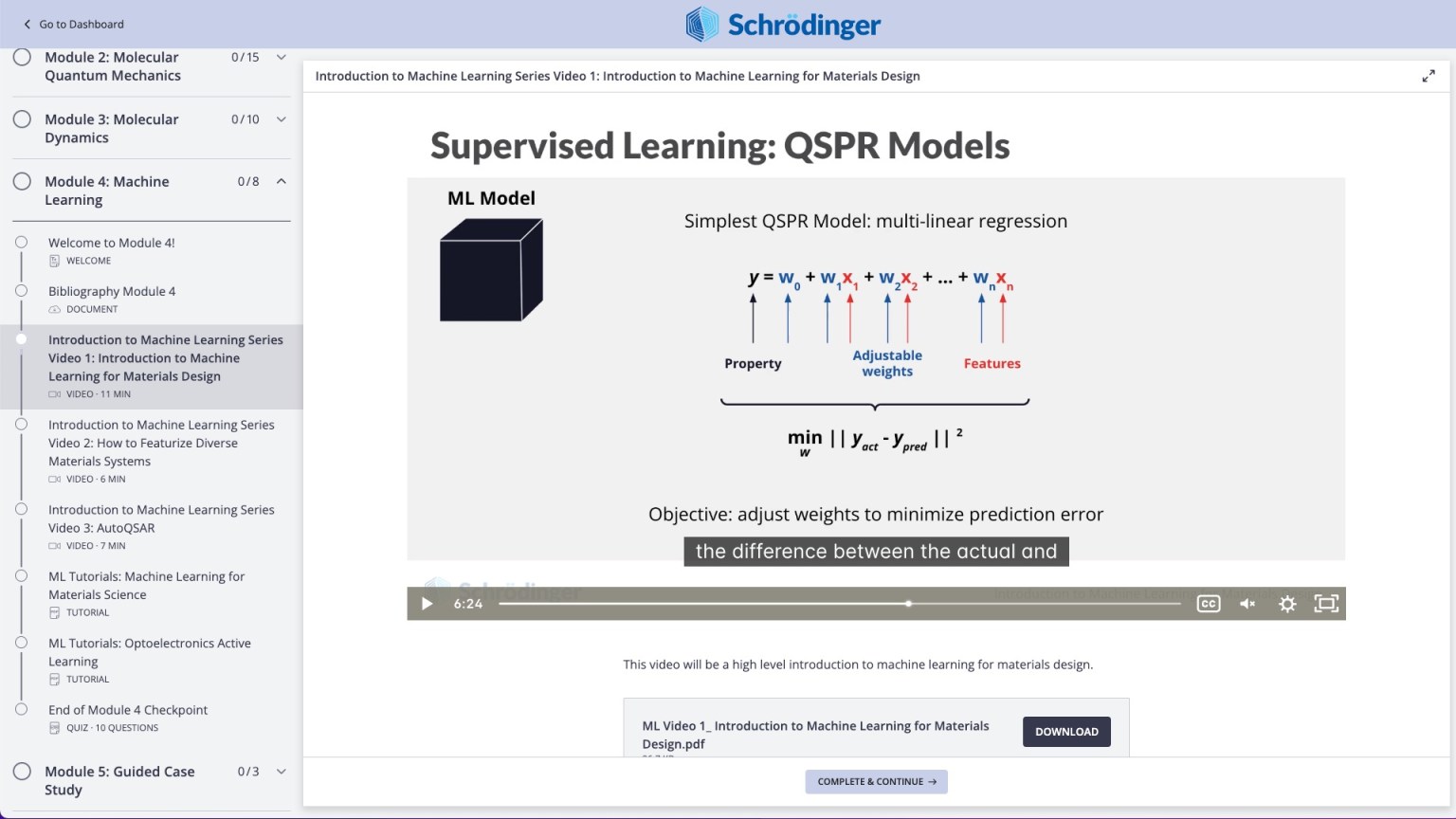
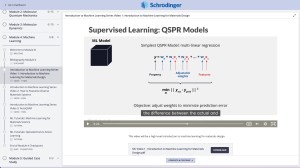
Video on practical theory break down complex scientific concepts (e.g. Machine Learning for Chemistry)
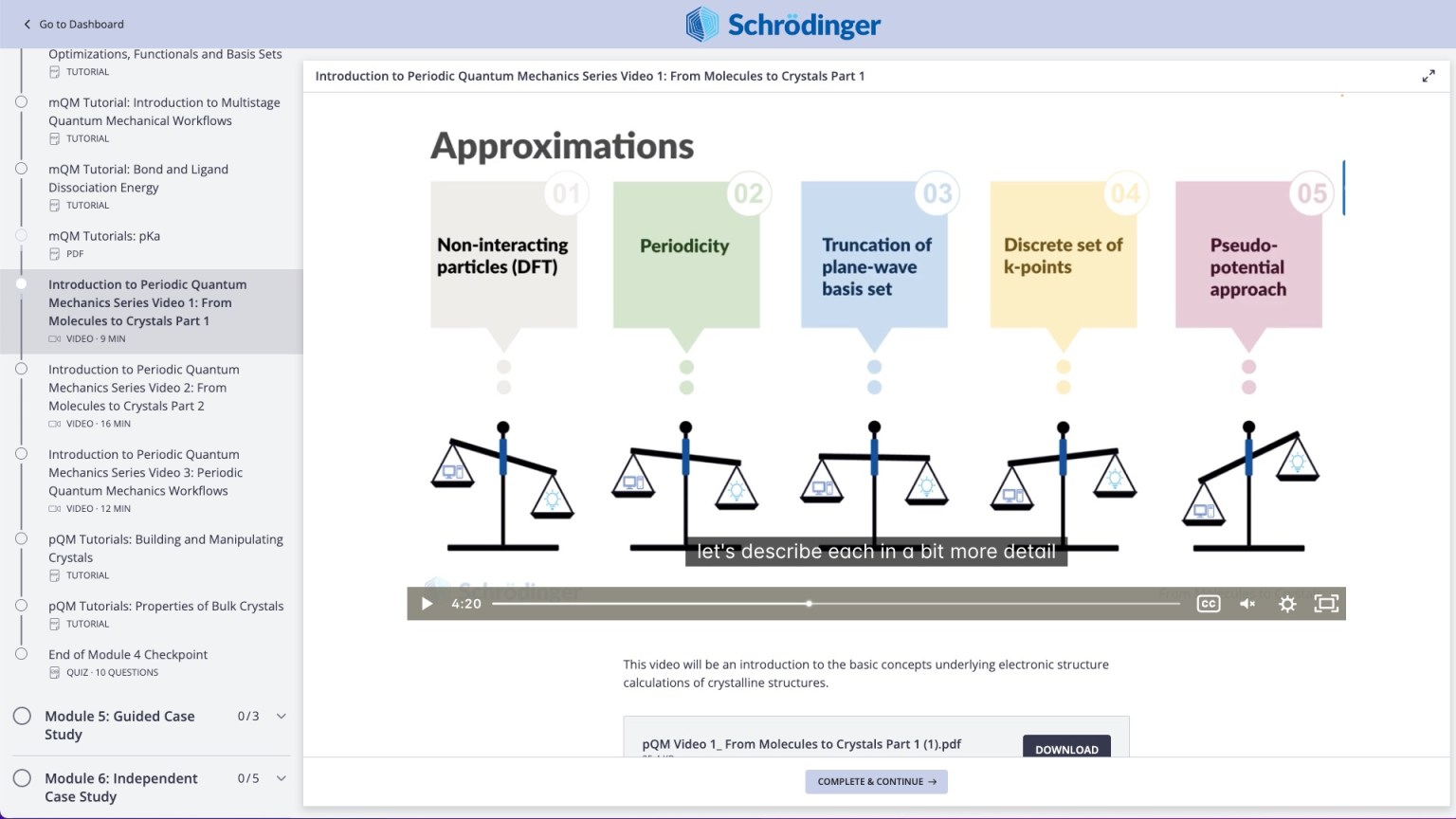
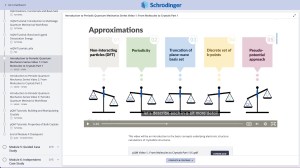
Videos on practical theory break down complex scientific concepts (e.g. Periodic Quantum Mechanics)
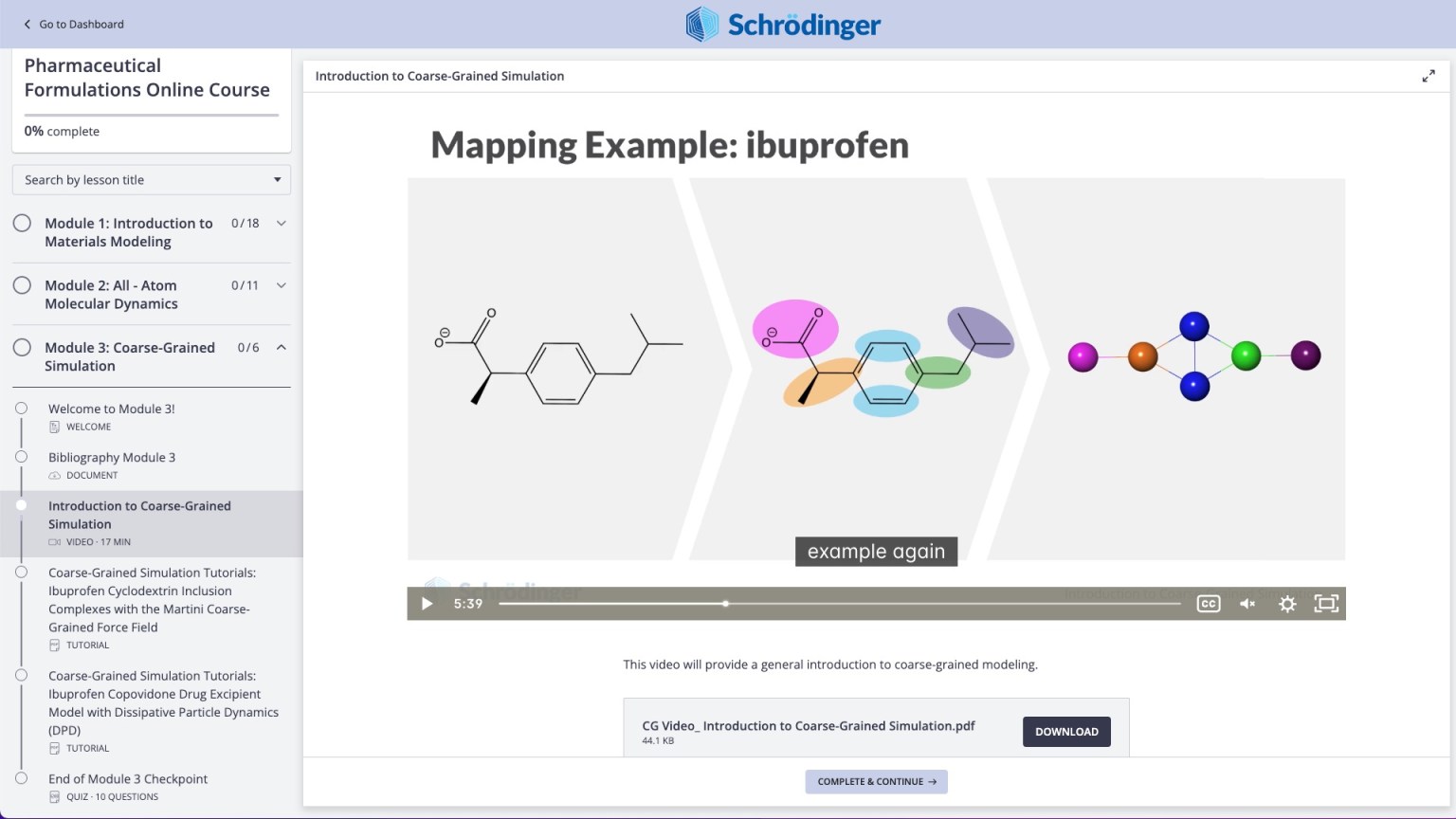
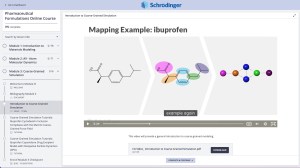
Videos on practical theory break down complex scientific concepts (e.g. Coarse-Graining)

We proudly support the next generation of scientists and are committed to providing opportunities to those with limited resources. Learn about your funding options for our online certification courses as a student, post-doc, or industry scientist and enroll today!
When you complete a course with us in molecular modeling and are ready to share what you learned with your colleagues and employers, you can share your certificate and badge on your LinkedIn profile.
Pricing varies by each course and by the participant type. For students wishing to take this, we offer a student price of $160, and $600 for non-students.
Once the course session begins, all lectures are asynchronous and you can view the self-paced videos, tutorials, and assignments at your convenience. When registering for the course you will select the start and end date. Within those dates, you will have asynchronous, on-demand access to the course material and virtual workstation to work on the course when it best suits your schedule.
Interested participants can pay for the course by completing their registration and using the credit card portal for an instant sign up. Please note that a credit card is required as we do not accept debit cards. Additionally, we can provide a purchase order upon request, please email online-learning@schrodinger.com if you are interested in this option. If you have any questions regarding how to pay for the course, please visit our funding options page.
Schrödinger is committed to supporting students with limited resources. Schrödinger’s mission is to improve human health and quality of life by transforming the way therapeutics and materials are discovered. Schrödinger proudly supports the next generation of scientists. We have created a scholarship program that is open to full-time students or post-docs to students who can demonstrate financial need, and have a statement of support from the academic advisor. Please complete the application form if you qualify for our scholarship program!
While access to the software will end when the course closes, some of the material within the course (slides, papers, and tutorials) are available for download so that you can refer back to it after the course. Other materials, such as videos, quizzes, and access to the software, will only be available for the duration of the course.
 Materials Science
Materials Science
Materials Science
Molecular and periodic quantum mechanics, all atom molecular dynamics, and coarse-grained approaches for studying active pharmaceutical ingredients and their formulations
 Materials Science
Materials Science
Materials Science
All-atom molecular dynamics and machine learning approaches for studying polymeric materials and their properties under various conditions
 Materials Science
Materials Science
Materials Science
Molecular quantum mechanics and machine learning approaches for studying reactivity and mechanism at the molecular level