Analyzing Quantum Exceptional Point Invisibility for Experimentally Realizable Triple-Gaussian Potentials

JUN 12, 2025

Analyzing Quantum Exceptional Point Invisibility for Experimentally Realizable Triple-Gaussian Potentials

Abstract:

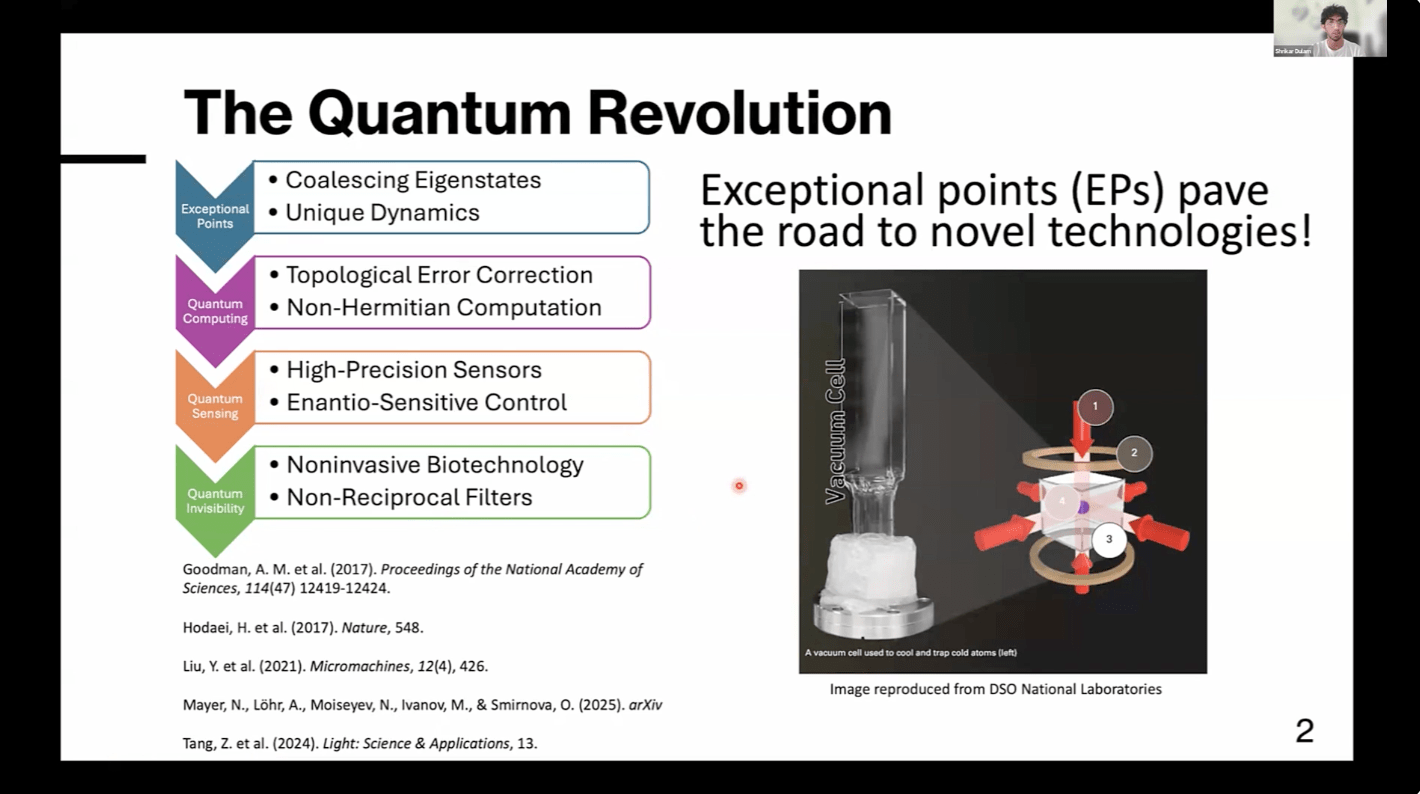
Quantum sensing leverages the extreme sensitivity of quantum systems like ultracold atoms and molecules to probe minute changes in their environment beyond classical limits. This sensitivity becomes especially pronounced near exceptional points (EPs)–critical parameter regimes where eigenstates coalesce to produce nonlinear responses, nonreciprocal dynamics, and phase transitions. For instance, quantum scattering EPs correspond to invisibility points where particles pass through barriers unimpeded. We aim to advance high-precision quantum molecular sensors utilizing these properties by establishing experimentally realizable EPs for quantum particles interacting with one-dimensional potential barriers. We analyze the triple-Gaussian potential due to its parity-time reversal-symmetry phase transition and simple optical implementation. Particle data is computed by numerically solving Schrödingerʼs equation and benchmarked with the triple-rectangular potential using the analytic Transfer Matrix Method. We demonstrate theoretically the successful realization of EP invisibility effects with a triple-Gaussian potential, verifiable with an ultracold atom experiment using rubidium-87 Bose-Einstein condensates and spatial light modulators. A key finding is that raising the central Gaussian barrier out of the three merges EPs, acting as a quantum filter by selectively permitting certain energies to pass. Additionally, we discover novel EPs for the triple-delta potential, a theoretical system consisting of three infinitesimally thin barriers acting as a direct atomic or molecular analog of optical systems currently under investigation for high-precision quantum sensors. Understanding EPs has broad applications, including sensitive quantum sensors for early earthquake detection, noninvasive biosensing through “invisible” nanoparticles for effective diagnostics and treatments, and enantio-sensitive quantum control for chemical reactivity. This project lays the foundation for further EP studies, with future work incorporating thermal noise to support experimental testing and modeling three-dimensional systems to develop practical atomic and molecular quantum technology.

Speaker:

Shrikar Dulam, University of Illinois, Urbana-Champaign

Shrikar Dulam is an undergraduate student at the University of Illinois Urbana-Champaign, pursuing a degree in Computer Science + Physics. His research interests lie at the intersection of quantum physics and computational science, with a focus on quantum computing and quantum sensing.

Repurposing L-Type Calcium Channel Blockers as Respiratory Virus Therapeutics: A Computational Modeling Approach

JUN 12, 2025

Repurposing L-Type Calcium Channel Blockers as Respiratory Virus Therapeutics: A Computational Modeling Approach

Abstract:

Respiratory viruses such as human rhinovirus (HRV), influenza, and respiratory syncytial virus (RSV) are leading causes of global illness, particularly affecting vulnerable populations. Despite their impact on morbidity and mortality, antiviral treatment options remain limited and increasing drug-resistant viral strains emerge. Studies suggest that L-type calcium channel blockers (CCBs), commonly prescribed for cardiovascular conditions, may inhibit viral replication by disrupting calcium ion homeostasis, a process critical to the viral replication cycle. This undergraduate thesis investigates the repurposing potential of CCBs, particularly amlodipine and its derivatives (“AMP” compounds), as antiviral agents through structure-based virtual screening (SBVS).

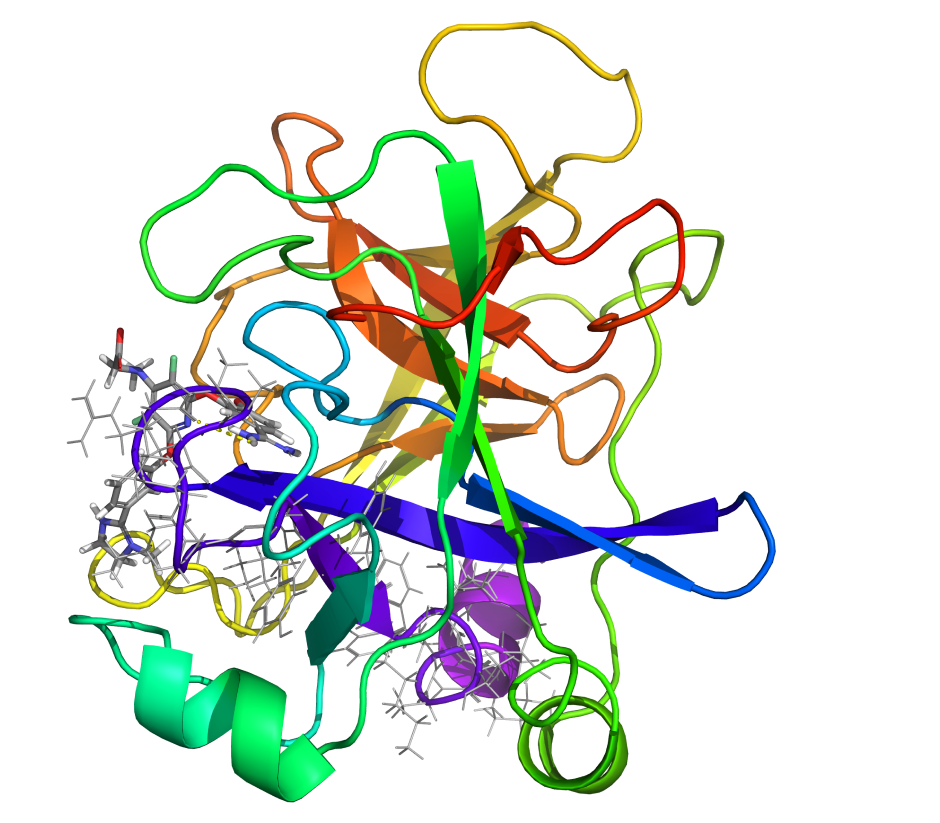
The initial phase (Jan-Nov 2024) focused on HRV-16, targeting the VP1 capsid protein (PDB: 1ND3) using Schrödinger software. A receptor grid was developed based on the known HRV inhibitor pleconaril. CCBs and AMP compounds docked with scores comparable to pleconaril, and seven top candidates were identified for potential therapeutic development.

Building on these findings, the second phase (Spring 2025) extended the screening to the neuraminidase (NA) protein of influenza (PDB: 2HT7, 4KS5) and the fusion (F) protein of RSV (PDB: 6VKD, 7KQD). AMP compounds docked with stronger scores than known active ligands at the NA active site, and docking scores significantly correlated with in vitro inhibition for the 2HT7 grid (p=0.0011). QSAR analysis predicted favorable drug-like properties of AMP compounds. Enrichment performance was assessed using active compounds and DUD-E generated decoys on the 2HT7 grid, demonstrating modest discrimination between actives and decoys (ROC AUC=0.61), and limited early enrichment (RIE=0.54). Docking to RSV F protein models showed no significant correlation with biological activity, however, AMP ligands docked with scores rivaling those of known active ligands.

This research highlights the potential of repurposing L-type CCBs as broad-spectrum antivirals. These findings support a novel antiviral strategy leveraging existing drug scaffolds to address critical gaps in respiratory virus therapeutics.

Speaker:

Aiden T. Day, Saint Joseph’s College of Maine

Aiden T. Day is a recent graduate of Saint Joseph’s College of Maine, where he earned a Bachelor of Science in Medical Biology/Pre-Medicine with a minor in Chemistry. He is an aspiring surgeon-scientist with a deep commitment to advancing patient care through translational research. His academic and research background spans medicinal chemistry, public health, and neurosurgery.

Computational Development of a Hydrolase with Increased Degradation Capabilities Against Crystalline PET

JUN 12, 2025

Computational Development of a Hydrolase with Increased Degradation Capabilities Against Crystalline PET

Abstract:

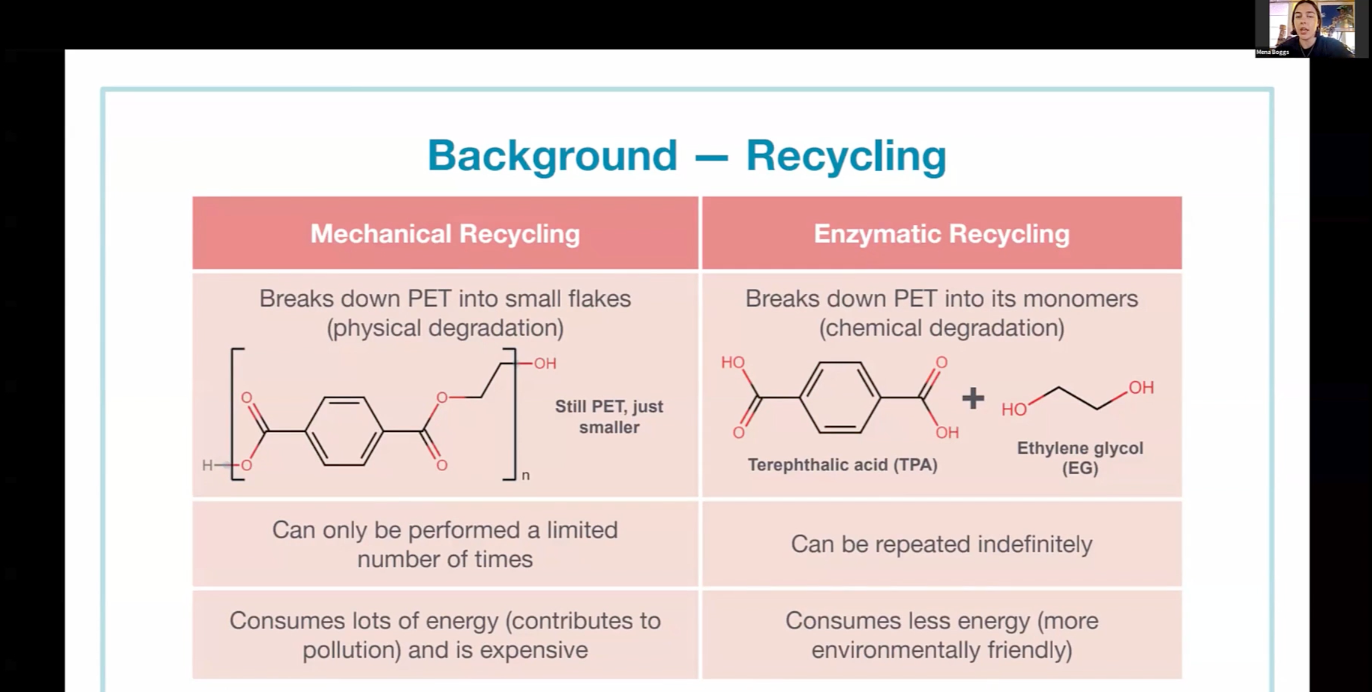
Polyethylene terephthalate (PET) is one of the world’s most common thermoplastics. Its accumulation has detrimental impacts on the environment and human health. Currently, mechanical recycling is the best way to reduce PET in the environment. However, it consumes significant energy while emitting greenhouse gases, and it can only be performed a limited number of times. Biodegradation techniques are being explored to find more sustainable, efficient PET recycling methods. One such technique, enzymatic recycling, will only be feasible at an industrial scale once effective crystalline PET-degrading enzymes are developed. This project aims to design and express a PET hydrolase that exhibits the characteristics associated with stronger crystalline degradation activity — a hydrophobic, linear, and wide active site cleft, and increased thermostability. Amino acid residue mutations were introduced to the sequence of an existing hydrolase (PDB ID 7QJP) to enhance the desired characteristics. The resulting mutants were modeled using AlphaFold2 (a neural network for protein structure prediction) on Google Colab. In Schrödinger Maestro, they were then evaluated using the following features: protein structure alignment, protein preparation, docking (to a PET fragment), and ligand interaction diagrams; additionally, the cysteine mutation feature was used to identify potential disulfide bonds. Finally, DeepSTABp (deep learning software) was used to predict the melting temperatures. This resulted in 80 promising mutants with the desired characteristics. A preliminary transformation (heat shock) and expression were conducted for the top-performing mutant; it was successfully expressed, indicating that it’s a viable enzyme. Optimized induction conditions will yield enough for it (and similar mutants) to be harvested and used in an assay to confirm its degradation efficiency. This has the potential to allow large-scale implementation of enzymatic recycling, offering a more sustainable way to recycle PET plastic.

Speaker:

Mena Boggs, NCSSM/NC State University

Mena Boggs is an incoming freshman at North Carolina State University, where she plans to major in Chemical Engineering, Computer Science, or Bioinformatics. She is passionate about environmental protection, which inspired her research on plastic-degrading enzymes.

BitBIRCH: Efficiently Clustering 1 Billion Molecules

JUN 12, 2025

BitBIRCH: Efficiently Clustering 1 Billion Molecules

Abstract:

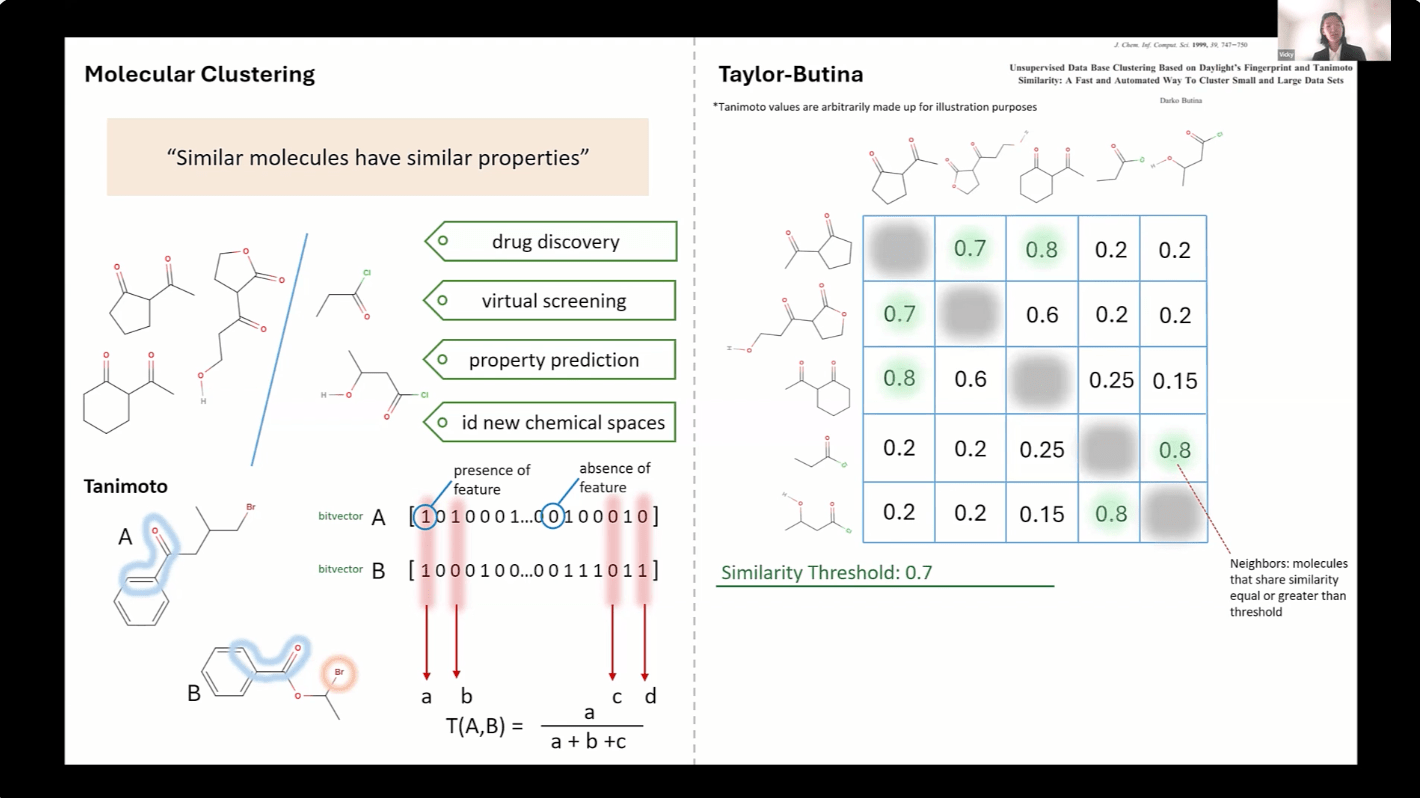
The widespread use of Machine Learning (ML) techniques in chemical applications has come with the pressing need to analyze extremely large molecular libraries. In particular, clustering remains one of the most common tools to dissect the chemical space. Unfortunately, most current approaches present unfavorable time and memory scaling, which makes them unsuitable to handle million- and billion-sized sets. Here, we propose to bypass these problems with a time- and memory-efficient clustering algorithm, BitBIRCH. This method uses a tree structure similar to the one found in the Balanced Iterative Reducing and Clustering using Hierarchies (BIRCH) algorithm to ensure O(N) time scaling. BitBIRCH leverages the instant similarity (iSIM) formalism to process binary fingerprints, allowing the use of Tanimoto similarity and reducing memory requirements. Our tests show that BitBIRCH is already > 1,000 times faster than standard implementations of the Taylor-Butina clustering for libraries with 1,500,000 molecules. Furthermore, we explore strategies to handle tremendously larger sets, which we applied in the clustering of one billion molecules under 5 hours using a parallel/iterative BitBIRCH approximation. To the best of our knowledge, this is the first time a billion molecules have been clustered. BitBIRCH increases efficiency without compromising the quality of the resulting clusters, which we were able to conclude by assessing for the Calinski-Harabasz and Davies-Bouldin indices. We also explore further applications of the BitBIRCH algorithm in chemical space exploration, segmentation, and in drug-design pipelines. The problem of clustering billions of molecules was thought to be unsurmountable with current algorithms, but BitBIRCH not only makes this possible, but accomplishes this task in just a couple of hours.

Speaker:

Vicky Jung, University of Florida

Vicky Jung is an undergraduate student at the University of Florida majoring in Data Science with a minor in Bioinformatics. She works in the Miranda-Quintana Lab where she mainly assisted with BitBIRCH, a novel approach to clustering in cheminformatics.


Computational Design of de novo Transcription Factors for Targeted Genetic Repression

JUN 12, 2025

Computational Design of de novo Transcription Factors for Targeted Genetic Repression

Abstract:

DNA-binding proteins (DBPs) play key roles in genetic regulation and manipulation in both natural and synthetic contexts. Aided by advances in machine learning and protein engineering, the design of de novo DBPs is now possible. While early attempts yielded small, single-chain proteins capable of sequencespecific DNA binding, these monomers could not alter gene expression. In contrast, many native transcription factors (TFs) are homodimers, enabling more protein-DNA contacts than de novo DBPs. We hypothesized that the dimeric nature of these TFs improves DNA-binding affinity and ensures the TF remains bound to the DNA even in the presence of native transcriptional machinery. To test this, de novo homodimeric TFs were computationally designed through a structure-based approach with the goal of achieving measurable gene repression in bacteria. RFdiffusion was used to design homodimeric TF backbones, which were subsequently fitted with an amino acid sequence using ProteinMPNN. The predicted sequences were folded with AlphaFold2, and the top 96 TFs were selected based on their predicted local distance difference test (pLDDT), predicted alignment error (PAE), and Cα atom root mean square distance (RMSD) when aligned to the RFdiffusion design. Selected TFs were expressed in E. coli, and their repression was measured through a fluorescence-based assay. Six TFs achieved over 4-fold repression, with the highest performing TF achieving nearly 20-fold repression. All TFs achieved considerable orthogonality and fold repression comparable to that of CRISPR interference systems, demonstrating that the design of effective de novo homodimeric TFs is indeed possible. In the future, the repression of de novo TFs might be enhanced by designing DNA-bending TFs or larger TF oligomers composed of more than two subunits. Successful designs could have applications in synthetic gene circuits, biosensors for various cellular processes, and robust therapeutics for genetic diseases.

Presenter

Beau Lonnquist

University of Washington

Beau Lonnquist recently graduated from the University of Washington with a B.S. in Bioengineering and an option in Data Science. As an undergraduate researcher, he worked on computational protein design under Prof. David Baker, aiming to design de novo DNA-binding proteins and synthetic transcription factors using deep learning- based tools.

Molecular Basis of Adenylyl Cyclase 1 Activation Revealed by MD Simulations

JUN 12, 2025

Molecular Basis of Adenylyl Cyclase 1 Activation Revealed by MD Simulations

Abstract:

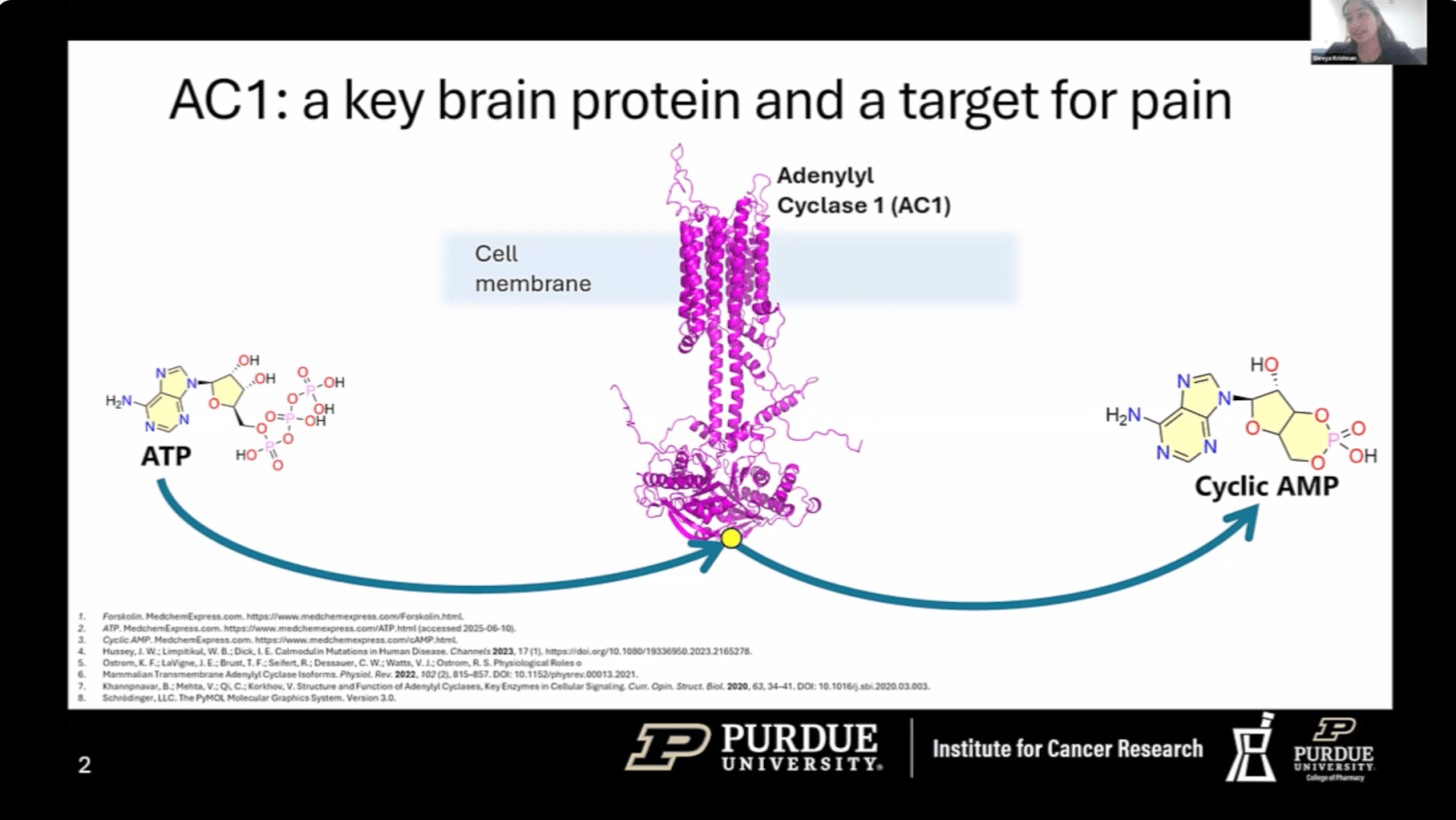
Mammalian adenylyl cyclase isoform 1 (AC1) synthesizes the cell signaling molecule cyclic adenosine monophosphate (cAMP) in the brain. It plays a key role in synaptic plasticity and chronic pain syndromes and is linked to drug abuse. In this study, we used Molecular Dynamics (MD) simulations in the Desmond program to understand the molecular mechanisms that govern AC1 behavior in various disease pathways. AC1 activation is stimulated by the calmodulin (CaM) protein and a small molecule cofactor forskolin (Fsk), but such mechanisms have not been thoroughly investigated. As no direct contact exists between the CaM and Fsk binding pockets, the mechanism of their induced conformational changes in AC1 needs to be understood. To fill these knowledge gaps, we developed a computational model for AC1 to determine how the cofactors CaM and Fsk affect AC1 structure individually and jointly, and whether their combined effects differ from the individual effects. Four systems of the cytosolic region of AC1 were simulated: AC1 without cofactors, AC1-CaM, AC1-Fsk, and AC1-CaM-Fsk. The truncated cytosolic system was validated by comparison to a simulation of transmembrane AC1 bound to no partners, which indicated similar movement patterns in AC1 between the truncated and full systems. Analysis of AC1 binding pocket movement demonstrated that Fsk and CaM bring the two catalytic domains of AC1 closer together, facilitating ATP binding. Additionally, CaM binding allosterically increased the stability of the Fsk binding pocket, providing a mechanism for how CaM binding preserves AC1-Fsk interactions. With a clear understanding of AC1-CaM-Fsk interactions, future research can be directed toward designing small molecules and antibodies that modulate AC1 activation, potentially leading to novel treatments for AC1-associated diseases such as migraines, inflammation, and drug abuse.

Presenter

Shreya Krishnan

Purdue University

Shreya Krishnan is an undergraduate student at Purdue University studying Biomedical Engineering with minors in Computer Science and Chemistry. She is passionate about applications of computational biology to improve treatment of complex diseases.

Modeling Molecular Scale Dynamics of Kinetically Gated Carbon Dioxide Capture Using Photoswitch Functionality in Metal Organic Frameworks

JUN 12, 2025

Modeling Molecular Scale Dynamics of Kinetically Gated Carbon Dioxide Capture Using Photoswitch Functionality in Metal Organic Frameworks

Abstract:

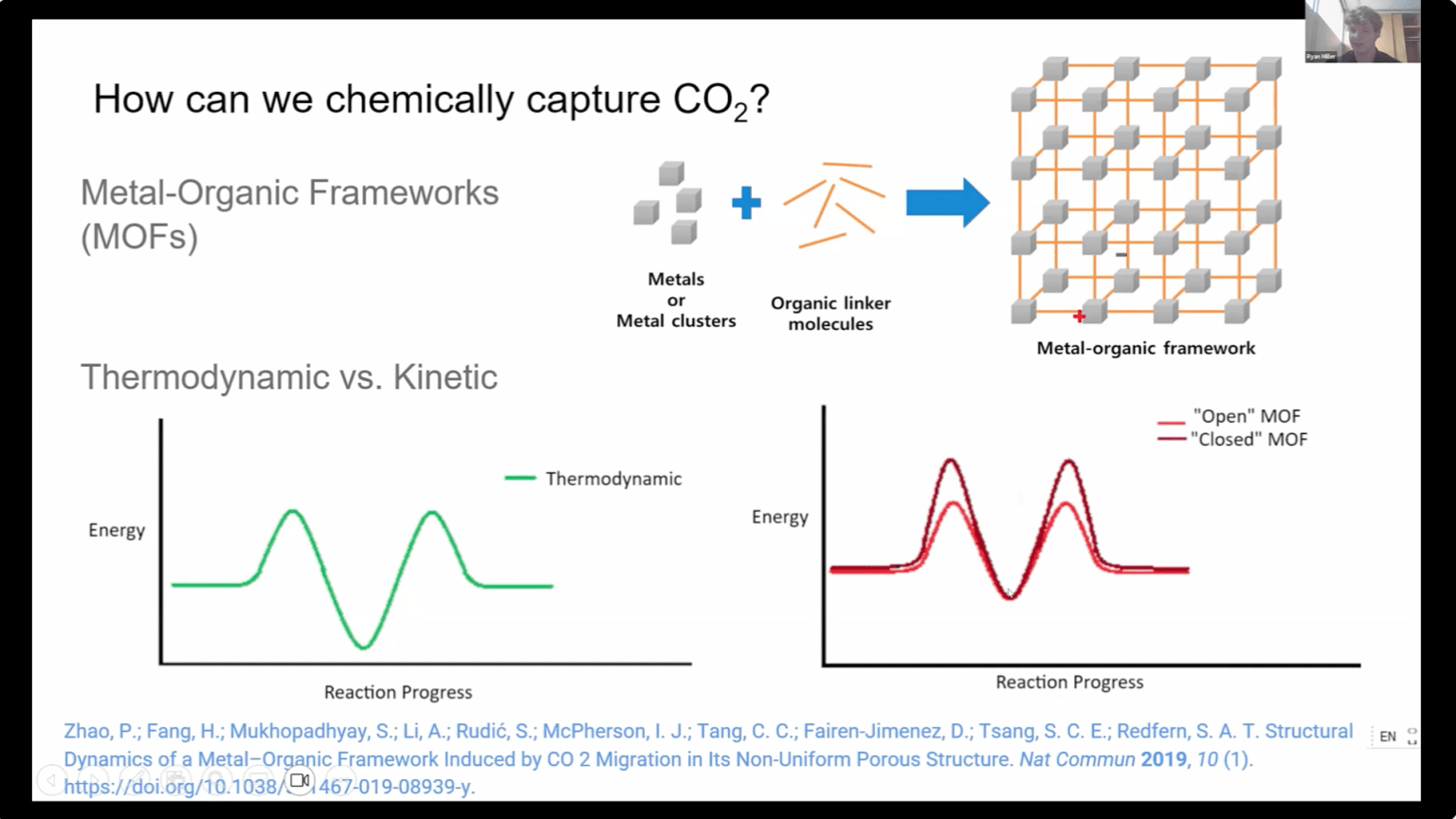
Carbon emissions are increasingly causing concern due to their effects on climate. Metal–organic frameworks (MOFs) are promising materials that have been shown to be effective for low-energy carbon capture. This study focuses on MOFs with the addition of azobenzene moieties to kinetically control carbon dioxide (CO) transit. The spatial conformation of azobenzene can be switched between the cis and trans conformation upon interaction with light. These molecular changes influence pore accessibility, enabling tunable diffusion rates of CO without the energy costs associated with thermodynamic modulated MOF capture.

Using computational molecular dynamics simulations, single molecule CO2 transit was modeled through UiO-68-MOFs with azobenzene photoswitches in three configurations: trans (open), cis (closed), and no switch. The initial geometry of the MOF was optimized with the ORCA quantum chemistry program, and MD parameters were derived using tinker AMOEBA software. Simulations were run using OpenMM software, with periodic boundary conditions. The CO2 transits were modeled as a multi-step kinetic process that was simulated using a Markov chain stochastic approach.

The simulations revealed significant differences in CO transit. Trans switch conformations yielded faster passage compared to cis, with average transit rates 33% higher. Statistical analysis confirmed these differences were significant, particularly across key transitions into and out of the MOF pore. These findings align with experimental work and support the hypothesis that photoswitch modulation has the potential to kinetically gate CO flow.

Induced dipole interactions with copper vertices were also noted to differ based on switch conformation, but need further work to determine if they contribute to transit rate differences. Future research will investigate differing metal ions and structural changes to the azobenzene moieties. Activation energies will be calculated through temperature-dependent simulations to maximize the difference between open and closed conformations. These insights lay foundational groundwork to design MOFs for low-energy carbon sequestration technologies.

Presenter

Ryan Miller

Pacific University

Ryan Miller is from Hillsboro, Oregon, and recently received his Bachelors in Chemistry from Pacific University. He has conducted computational chemistry research with Dr. Kevin Johnson researching materials for carbon capture

Schrödinger デジタル創薬セミナー: Into the Clinic ~計算化学がもたらす創薬プロセスの変貌~ 第18回

Schrödinger デジタル創薬セミナー 18:
Enabling cryoEM structures for drug discovery with the Schrödinger Suite

創薬において、タンパク質構造の有用性と価値は、分子の物性を合理的に最適化する能力に直接関係しています。ある構造がもたらす影響は、その品質に依存しており、より高品質な構造であれば、より正確な予測が可能になります。

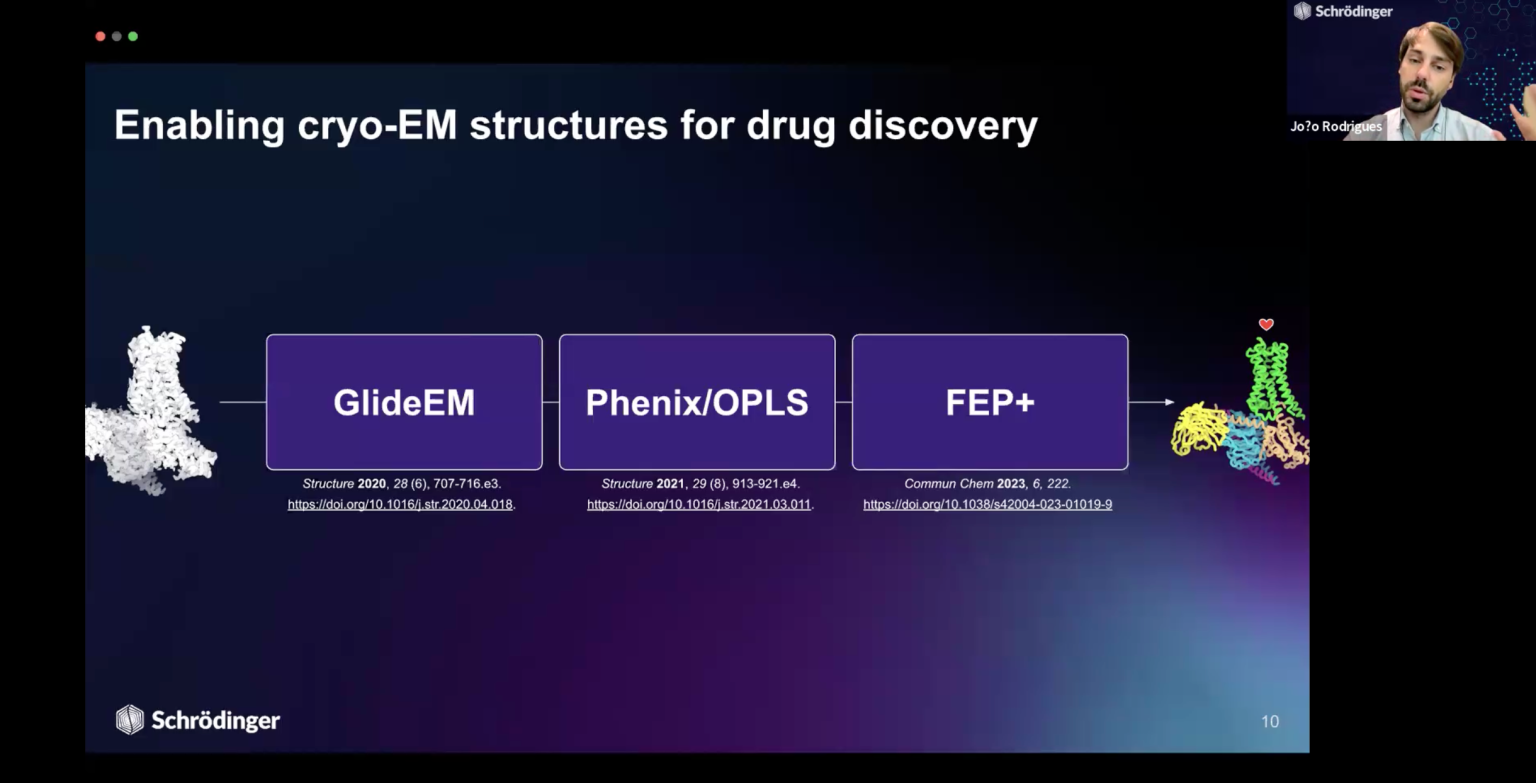
本講演では、クライオ電子顕微鏡(cryo-EM)データからより優れた構造モデルを得るために使用できる、Schrödingerの2つの製品 ― GlideEM と Phenix/OPLS ― をご紹介します。最先端のコンフォメーションサンプリング手法と、化学空間を広くカバーする高精度の力場に基づくこれらのツールは、中〜低分解能データからのタンパク質および低分子のモデリング精度を向上させます。Schrödingerスイートの他の製品群とあわせて、これらのツールは、cryo-EM構造を創薬プログラムの加速に自信を持って活用できる道を切り拓きます。

Our Speaker

João Rodrigues

Principal Scientist II, Schrödinger

国際的な研究グループで、タンパク質間相互作用やダイナミクス、特にGPCRに関する研究において、モデリング、シミュレーション、データ駆動型ドッキング手法の開発と応用に従事。現在はSchrödingerのタンパク質構造予測チームに所属し、IFD-MDを含む中核的なタンパク質モデリング技術の開発を担当している。

Educator’s Month: Targeted Protein Degradation Goes to School: From Bench to Browser with DEGRADATOR

JUN 11, 2025

Educator’s Month: Targeted Protein Degradation Goes to School: From Bench to Browser with DEGRADATOR

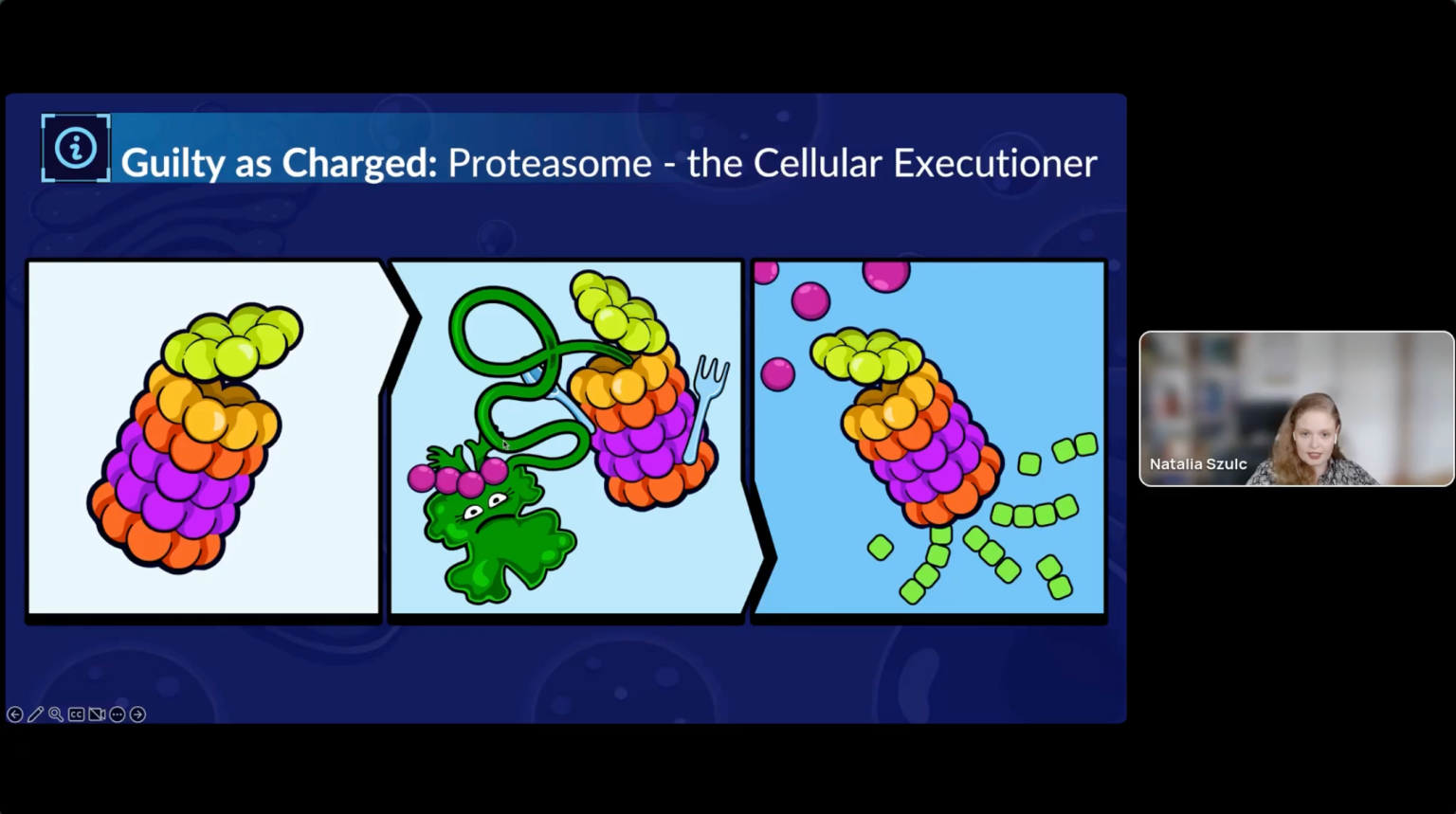
What happens when a complex cellular process meets creative game design? In this talk, I will take you behind the scenes of DEGRADATOR (https://degradator-game.com), the first educational computer game designed to teach students about the ubiquitin-proteasome system and innovative targeted protein degradation therapies, such as PROTACs.

DEGRADATOR was developed for learners aged 12 and above, from high school students to undergraduates, providing them with an interactive experience where they step into the role of an E3 ubiquitin ligase enzyme and navigate busy molecular environment through immersive gameplay. But what does it take to turn intricate scientific content into a compelling gaming experience? Which technical, pedagogical, and creative decisions shape such a project? And how can educators eVectively integrate this resource into their curricula?

I’ll share insights into how DEGRADATOR has already been successfully introduced in biology classrooms, including student feedback and survey data demonstrating its educational eVectiveness. Moreover, you’ll discover the broader DEGRADATOR ecosystem—beyond the game itself—including carefully designed classroom scenarios, comprehensive teacher materials, the Great Encyclopedia of Protein Degradation, and even a comic.

Recognizing its innovative design and educational impact, DEGRADATOR earned 3rd place at the 12th International Educational Games Competition during the European Conference on Games Based Learning (ECGBL 2024). Furthermore, it has been integrated into LabXchange, a global science education platform, making the game widely accessible to learners and educators around the world.

If you’re curious about how scientific concepts can be transformed into engaging educational experiences—or have ever considered developing and launching your own classroom-ready educational game—I warmly invite you to join this session. I’ll share practical tips, real-life examples, and behind-the-scenes stories from the creation journey of DEGRADATOR.

Our Speaker

Natalia Szulc

Scientist, International Institute of Molecular and Cell Biology

Natalia Szulc is a scientist at the International Institute in Molecular and Cell Biology in Warsaw, working in Prof. Wojciech Pokrzywa’s laboratory. Her research centers on the ubiquitin-proteasome system, investigating evolutionary adaptations that protect proteins from degradation, as well as degrons and rare diseases related to this system. Natalia’s background spans both molecular biotechnology and computational engineering; she is a Fulbright Scholarship awardee. Driven by a commitment to the rare disease community in Poland, Natalia co-founded LumiRare, a company dedicated to improving patients’ lives through scientific insights into rare genetic mutations. LumiRare utilizes exhaustive literature reviews, advanced bioinformatics, and collaborative partnerships to develop informed hypotheses about disease mechanisms and potential intervention strategies. The company also fosters communication between patients and the global research community.

Educator’s Month: Drug discovery in the classroom

JUN 9, 2025

Educator’s Month: Drug discovery in the classroom

In this webinar, we’ll discuss the growing significance of in silico protein-ligand docking underscores its importance as a requisite skill for graduating biochemists. Nevertheless, existing software platforms pose difficulties: they are either characterized by limited user-friendliness, demanding the utilization of disparate programs for individual tasks, or represent software packages with prohibitive costs for undergraduate teaching. Schrödinger’s Maestro offers a promising alternative, providing a comprehensive software suite at a nominal cost for students, thereby facilitating their initial engagement with the drug discovery process. The subsequent discussion will outline the implementation of Schrödinger’s educational web platform for initiating drug discovery activities in the biochemistry classroom.

Our Speaker

Kari Stone

Associate Professor, Lewis University

Kari Stone is an associate professor of chemistry at Lewis University where she teaches biochemistry courses at the undergraduate and graduate levels. She received her Ph.D. from Pennsylvania State University in 2008 under the direction of Michael Green in the field of bioinorganic chemistry. After receiving her Ph.D., she transitioned into synthetic inorganic chemistry at the University of California-Irvine as a postdoctoral associate with Andy Borovik. Kari has been teaching in higher education since 2009 maintaining an active research program with undergraduate and graduate students. Her research interests involve greener alternatives to synthetic processes making her projects highly collaborative focusing on biocatalysis, drug discovery, and environmental sustainability. You can find more information on her research interests here: www.stonelaboratory.com. She serves as a chemistry division representative of the Council on Undergraduate Research.

Educator’s Month: Powerful computational tools to help bring proteins to life for students

JUN 5, 2025

Educator’s Month: Powerful computational tools to help bring proteins to life for students

In this talk, Arthur Sikora will showcase two examples of how technology has brought biochemistry to life for his students. Special focus will be on sharing resources and dissemination of curricula that will support students learning in-silico.

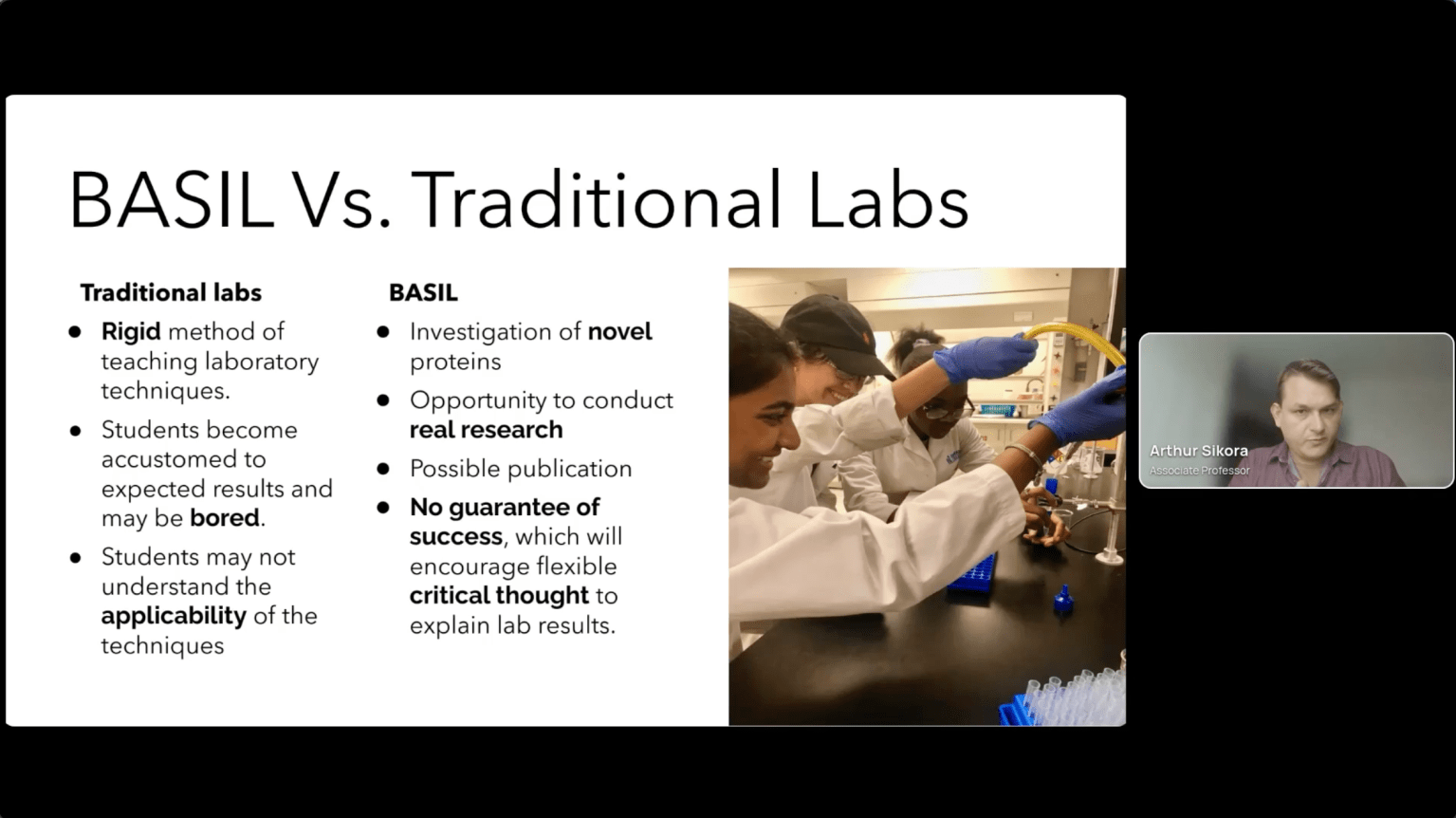
One of the highlights of my career so far has been collaborating to develop and then teach a course-based undergraduate research experience (CURE) called the Biochemistry Authentic Scientific Inquiry Lab (BASIL). The BASIL CURE uses a combined computational and wet lab approach to study protein structures of unknown functions. Students experience research, many for the first and only time, as part of a course they must already take for their degree. Powerful computational tools are used to find homologs and students predict potential enzymatic substrates which are refined using molecular docking. In combination with wet lab experiments students work towards the elucidation of enzyme function. This curriculum is freely available at basilbiochem.org, and we can offer new adopters both synchronous support via virtual meetings and asynchronous support via Slack.

I am very lucky to also teach a course in our Honors college centered around protein modeling. This course focuses on a molecular story that groups of students explore using both virtual and 3D printed molecular models. Every year students discover and utilize innovative bioinformatic tools to enhance their molecular stories. From peptide docking simulations to alpha fold structure prediction, I always learn something new along the way. I explain strategies to get students into a creative space where they are free to direct the project and present several examples from recent years of especially unique and impactful proects.

Our Speaker

Arthur Sikora

Assistant Professor, Nova Southeastern University

Arthur Sikora is an associate professor of chemistry at Nova Southeastern University. Currently, his lab is interested in student biochemistry lab curriculum innovation. As part of an international NSF funded collaboration, he helped design and develop research-based lab curricula that expand research experiences to all enrolled students. Recently he was awarded an NSF IUSE grant to improve the technological capacities in the science teaching labs. He is particularly interested in using cutting edge technologies to expose students to and foster a deeper interest in scientific research.

Educator’s Month: Molecular visualization and teaching with Schrodinger for sophomore organic chemistry courses

JUN 5, 2025

Educator’s Month: Molecular visualization and teaching with Schrodinger for sophomore organic chemistry courses

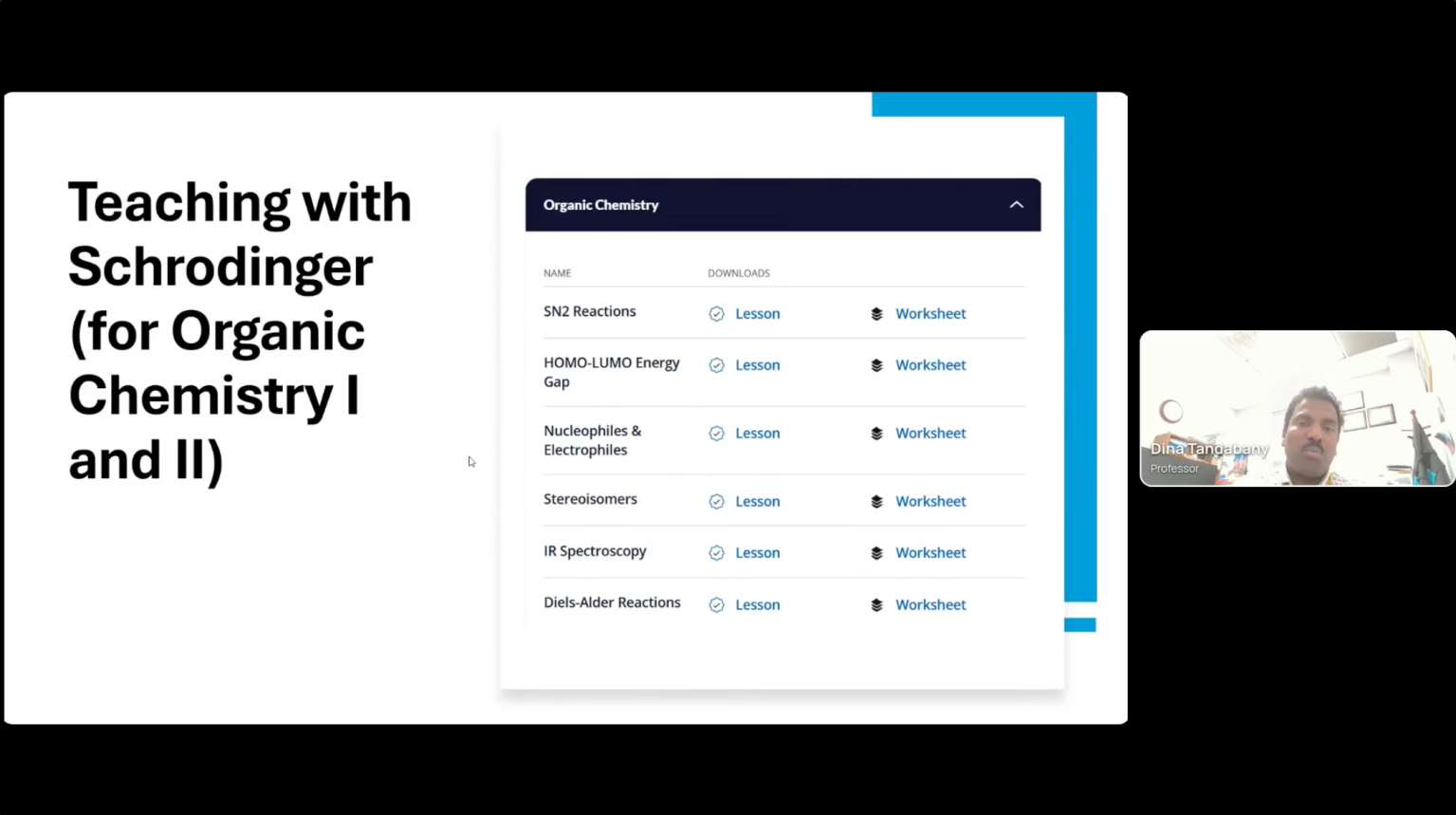
Organic chemistry I and II are viewed as a gatekeeper course for students in biology, psychology, and engineering. The goal of our grant “Technology Enhanced Education and Practices for Success (TEEPS)” funded by National Science Foundation (NSF) is to enhance the quality of the sophomore organic chemistry I and II courses. Many students have challenges in understanding organic chemistry. Physical models for organic chemistry and visualization of molecules in 3D using computers and software (cyberinfrastructure) with hands-on experience are very helpful for students in learning organic chemistry. For hands-on experience, students at Clark Atlanta University (CAU) used simple drawing and visualization software of Avogadro, which is an advanced molecule editor and visualizer designed for cross-platform use in computational chemistry, molecular modeling, bioinformatics, materials science, and related areas. In addition, we also used Teaching with Schrödinger for both organic chemistry I and II courses for the last two years. Specific assignments that were already created by Schrödinger were directly used for the courses. Students’ feedback was collected and made necessary adjustments accordingly in the following semesters. (Acknowledgment: NSF Grant 2106938)

Our Speaker

Dinadayalane Tandabany

Professor of Chemistry, Clark Atlanta University