Discovery of a novel, potent ACC inhibitor driven by computationally-guided design and assessment of water energetics in the binding site

Discovery of a novel, potent ACC inhibitor driven by computationally-guided design and assessment of water energetics in the binding site

Collaborative team of scientists from Nimbus Therapeutics and Schrödinger discover ND-630 for NASH and other liver diseases.

Leveraged virtual screening guided by hydration energetics to improve potency

Rapidly optimized ADME properties using structureguided methods

Resulted in the discovery of a development candidate in 16 months

Target
ACC1 and ACC2
Program Type
Collaborative program, small molecule
Indication
Type 2 diabetes, fatty liver disease, non-alcoholic steatohepatitis
Stage
Phase 2b clinical trial

“The discovery of ND-630 was one of the first demonstrations of the power of rigorous physics-based computational modeling to guide design and synthesis of a high-quality development candidate.”

Robert Abel
Chief Computational Officer
Schrödinger

Design challenge

As a key component of the fatty acid synthesis pathway (FaSyn), inhibition of acetyl-coenzyme A carboxylase (ACC) is a well validated strategy for the amelioration of metabolic disorders, such as type 2 diabetes, non-alcoholic steatohepatitis (NASH), and atherosclerotic vascular disease. ACC consists of two isoforms — ACC1 and ACC2, located in the cytoplasm and mitochondria, respectively. Additionally, ACC comprises two domains, the biotin carboxylase (BC) and carboxyltransferase (CT) domains, that carry out separate enzymatic functions.

Previous efforts have focused on inhibition of the CT domain, resulting in molecules with poor drug-like properties as well as selectivity issues. In comparison, targeting the BC domain represented an opportunity to develop a molecule with both improved properties and selectivity. Working together, scientific teams from Nimbus Therapeutics and Schrödinger leveraged a computationally-guided, structure-based approach to design novel drug candidates. The goal of this program was to identify potent and selective inhibitors of the BC domain of ACC1 and ACC2.

Identifying potent, selective inhibitors using a virtual screening workflow guided by hydration energetics

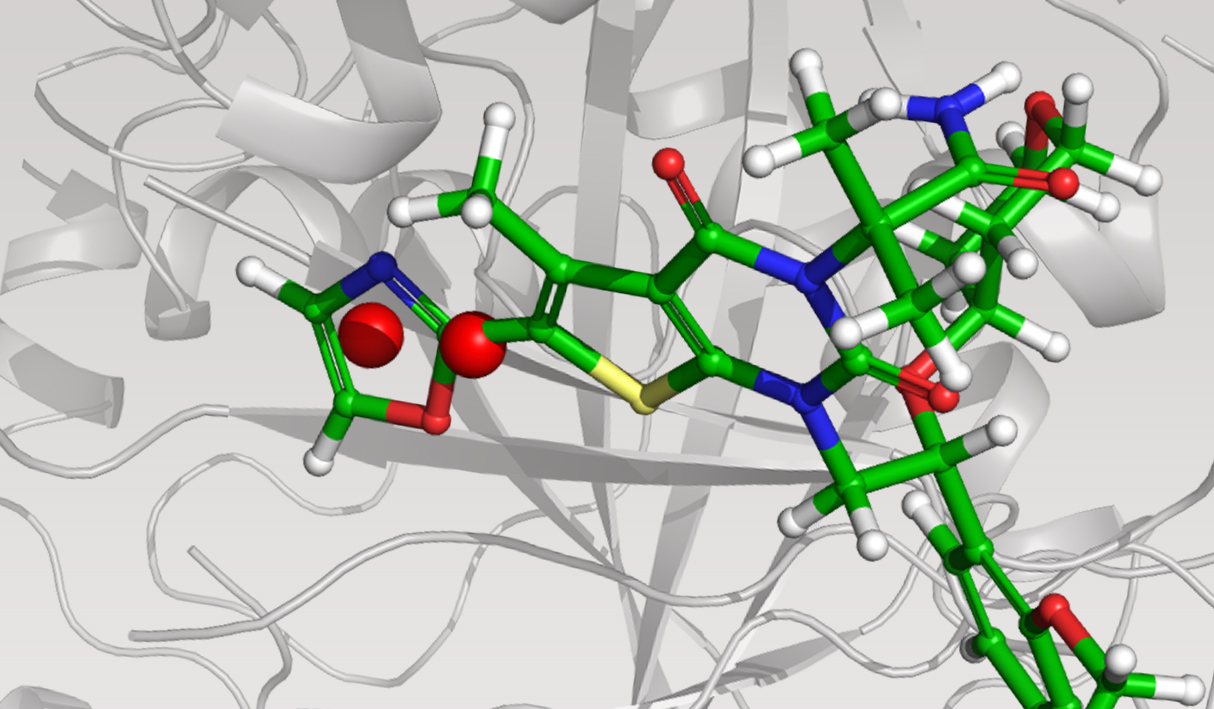
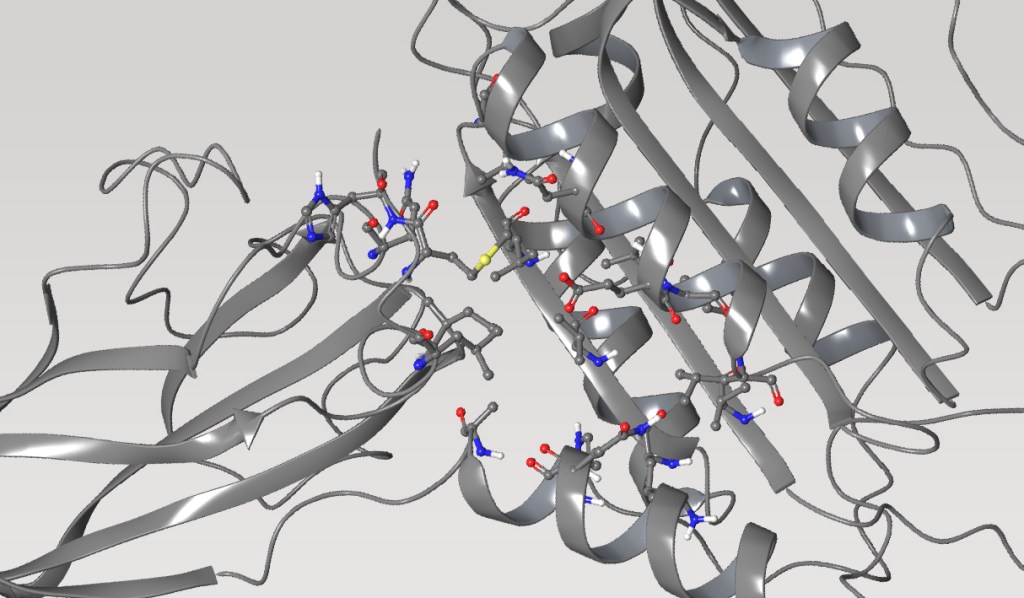
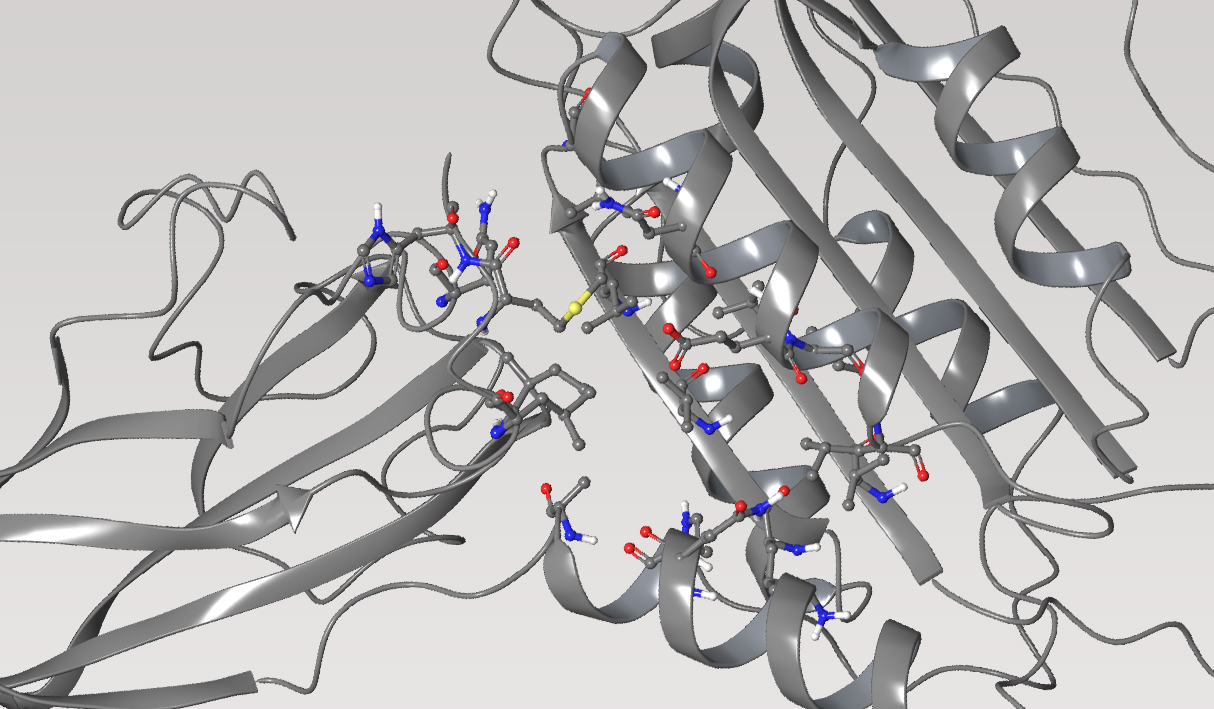
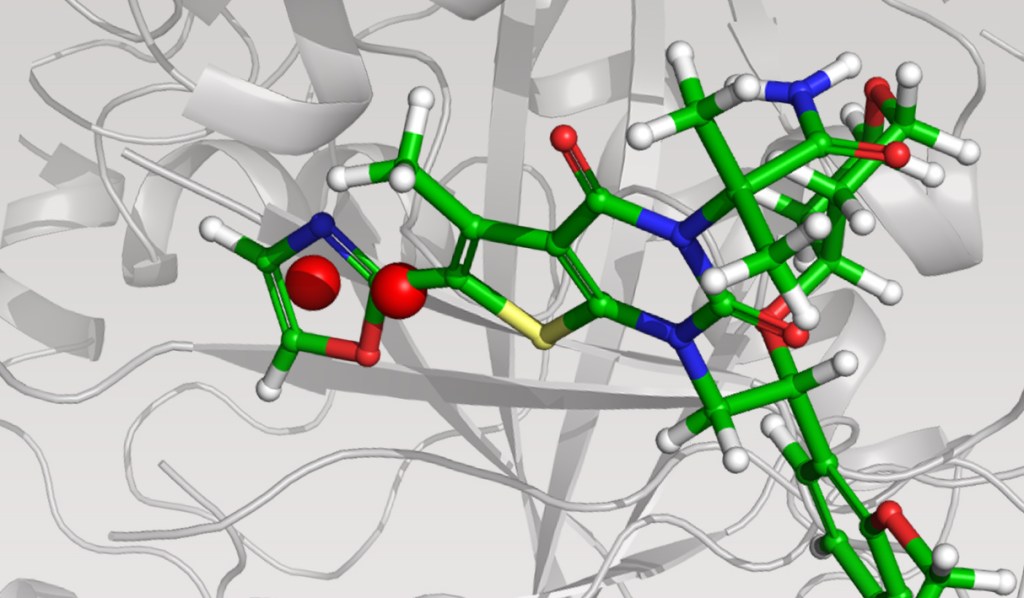
The team initiated the program with a two-pronged virtual screening workflow against the dimerization site of the BC domain. An available X-ray structure containing a bound ligand, Soraphen A, was used to guide both structure- and ligand-based screens for molecules that interfered with ligand binding and, consequently, enzymatic activity. Prior to conducting the screens, identification of high-energy hydration sites within the binding region was performed using WaterMap, a state-of-the-art, structure-based method for assessment of water energetics.1 Multiple high-energy hydration sites were identified by WaterMap; intriguingly, these sites were located in a deep, narrow pocket proximal to Val587 and Tyr683, and close to Soraphen A.

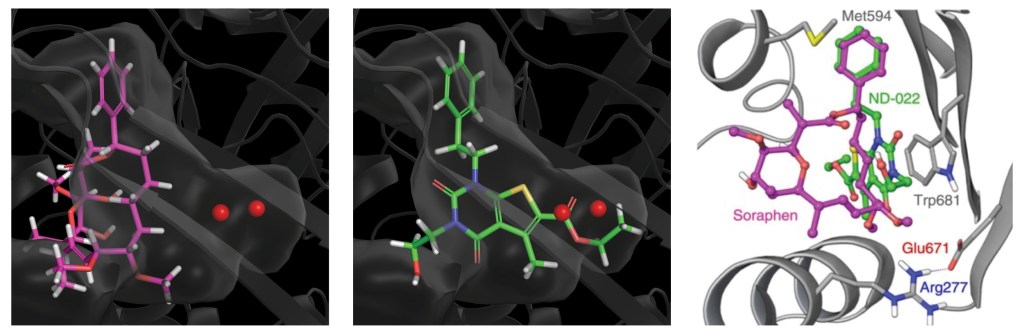
Using these hydration sites and other interactions as constraints, the team screened a commercially available library via docking with Glide, as well as pharmacophore screening with Phase (followed by docking). From this workflow, 250 chemically diverse molecules predicted to displace the high-energy hydration sites were evaluated in vitro. Ultimately, this strategy led to the identification of ND-022, a low micromolar dual inhibitor of ACC1 and ACC2 and the first molecule reported to mimic Soraphen A and inhibit enzyme activity via interaction within the ACC2 dimerization site (Figure 1).2

Nimbus_Case study Figure 1 Web Images
Figure 1: Identification of ND-022, a dual inhibitor of ACC1 and ACC2, by locating high-energy, displaceable waters using WaterMap. (Left) Soraphen A does not displace high-energy waters (red spheres). (Middle) ND-022 displaces high-energy waters and captures additional potency. (Right) Cocrystal structure of ND-022 complexed with hACC2 BC overlaid with the structure of Soraphen A complexed with hACC2 BC.2

Rapid, structure-guided optimization of ADME properties results in clinical stage ACC inhibitor

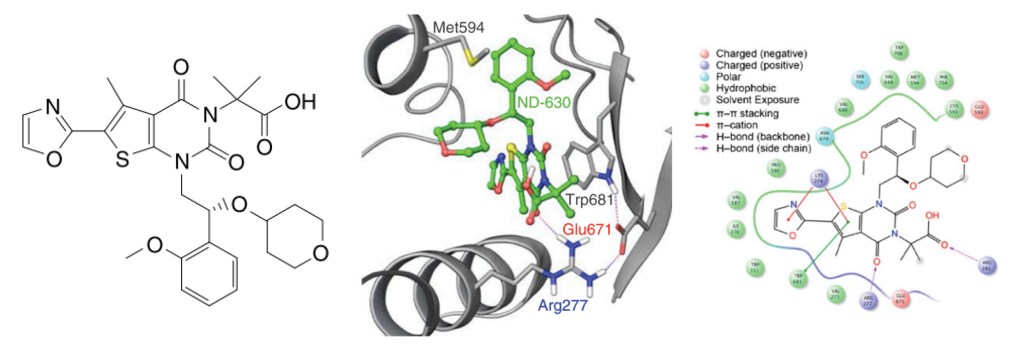
Once a micromolar inhibitor was identified, the team focused their efforts on improving ACC2 inhibition, functional potency, and optimizing pharmacokinetics (PK). To achieve improved PK properties and potency, the team applied two complementary approaches – namely molecular mechanics and quantum mechanics. Guided by these simulations, four modifications were hypothesized to impact PK properties favorably while maintaining or improving potency. In only 16 months, this work culminated in the discovery of ND-630 (aka GS-0976, firsocostat), a potential first-in-class, potent, and selective inhibitor of the BC domain of ACC with favorable drug-like properties (Figure 2).2,3

In 2016, the program was acquired by Gilead Sciences.4 In 2017, Gilead presented positive data showing that a 20 mg orally administered dose of GS-0976/firsocostat, taken once daily for 12 weeks, led to statistically significant reductions in hepatic steatosis and the liver fibrosis marker TIMP-1, when compared to the placebo.5 Since then Gilead has prioritized development of GS-0976/firsocostat in combination with Novo Nordisk’s semaglutide, a GLP-1 receptor agonist.

In 2020, a five-arm trial evaluated combinations of Novo Nordisk’s semaglutide with Gilead’s investigational FXR agonist cilofexor and/or Gilead’s investigational ACC inhibitor firsocostat. The trial spanned 24 weeks and involved 108 patients with NASH. It successfully met its primary endpoint demonstrating that all regimens were well tolerated in patients with NASH and mild to moderate fibrosis, with the most common adverse events as gastrointestinal in nature.6

Furthermore, exploratory efficacy endpoints assessing biomarkers of liver health at 24 weeks in post-hoc analyses revealed statistically significant improvements in hepatic steatosis and liver injury in the combination arms versus semaglutide alone.6 Encouraged by these results, Gilead and Novo Nordisk are currently evaluating patients in a phase 2b trial for the combination.7 Although the clinical trial is ongoing, this case study highlights how drugs developed with Schrödinger technology have strong potential to impact the lives of patients with high unmet needs.

Nimbus_Case study Figure Web Images2
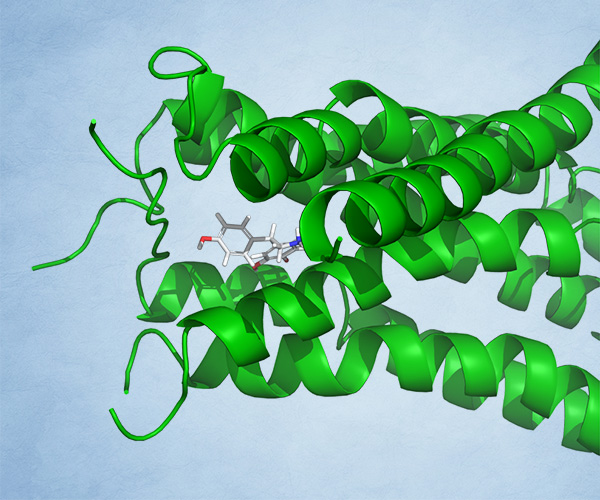
Figure 2: (Left) Chemical structure of ND-630. (Middle) Cocrystal structure of ND-630 complexed with hACC2 BC. (Right) The nature of the amino acid residues interacting with ND-630 in the hACC2 BC dimerization site.2

Enabling digital technologies to drive discovery programs

WaterMap

Structure-based method for assessing the energetics of water solvating ligand binding sites for ligand optimization.

Glide

Highly versatile, industry-leading ligand-receptor docking solution

Phase

Pharmacophore modeling solution for ligand- and structure-based design.

References

  1. Calculating water thermodynamics in the binding site of proteins – Applications of WaterMap to drug discovery.

    Cappel et al. Curr. Top. Med. Chem. 2017,17(23), 2586-2598.

  2. Acetyl-CoA carboxylase inhibition by ND-630 reduces hepatic steatosis, improves insulin sensitivity, and modulates dyslipidemia in rats. Harriman et al.

    Proc. Natl. Acad. Sci. U S A. 2016 Mar 29, 113(13), E1796-805.

  3. Accelerating drug discovery through tight integration of expert molecular design and predictive scoring.

    Abel et al. Curr Opin Struct Biol. 2017, 43, 38-44.

  4. Gilead Sciences announces acquisition of Nimbus Therapeutics’ acetyl-CoA carboxylase (ACC) program for NASH and other liver diseases.

    Gilead. 2016.

  5. Gilead announces Phase 2 results for GS-0976 in nonalcoholic steatohepatitis (NASH).

    Gilead. 2017.

  6. Gilead and Novo Nordisk present new data from proof-of-concept trial in NASH.

    Gilead. 2020.

  7. Gilead and Novo Nordisk expand NASH clinical collaboration.

    Gilead. 2021.

Software and services to meet your organizational needs

Industry-Leading Software Platform

Deploy digital drug discovery workflows using a comprehensive and user-friendly platform for molecular modeling, design, and collaboration.

Research Enablement Services

Leverage Schrödinger’s team of expert computational scientists to advance your projects through key stages in the drug discovery process.

Scientific and Technical Support

Access expert support, educational materials, and training resources designed for both novice and experienced users.


Molecular dynamics and coarse-grained simulations facilitate the design of new eco-friendly cosmetic formulations

Molecular dynamics and coarse-grained simulations facilitate the design of new eco-friendly cosmetic formulations

L’Oreal and Schrödinger scientists gain a deeper understanding of the shearing behavior differences between synthetic and polysaccharide polymers on biomimetic surfaces.

Executive Summary

  • Gained novel insights into the aggregation behavior of shampoo formulations with a model hair surface
  • Demonstrated the impact of polymer topology and related the observed polymer interactions to experimental observables
  • Established a framework for studying complex formulations in contact with biomimetic surfaces using molecular dynamics simulations
  • Accelerated rational design of eco-friendly cosmetic formulations


Molecular Dynamics And Coarse-Grained Simulations Facilitate The Design Of New Eco-Friendly Cosmetic Formulations_figure0
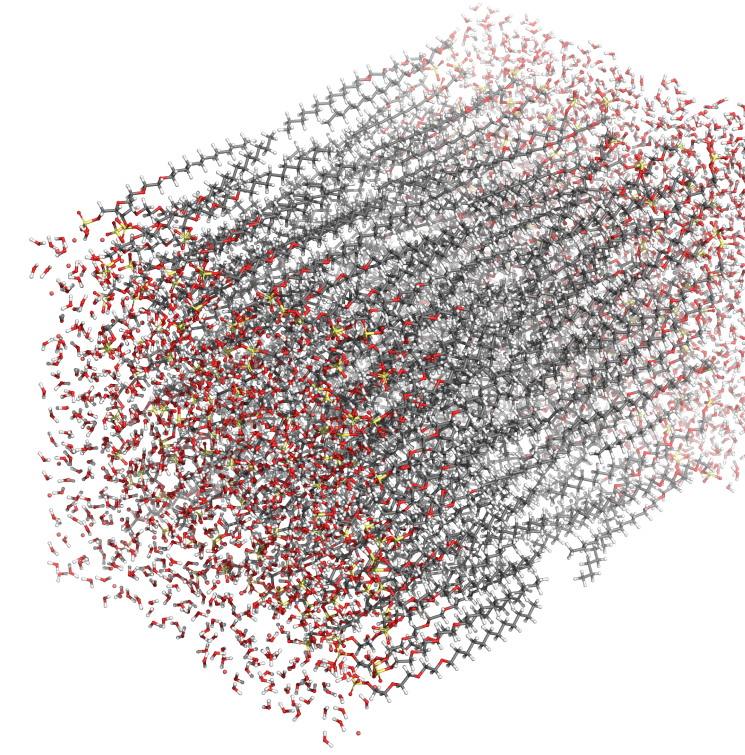
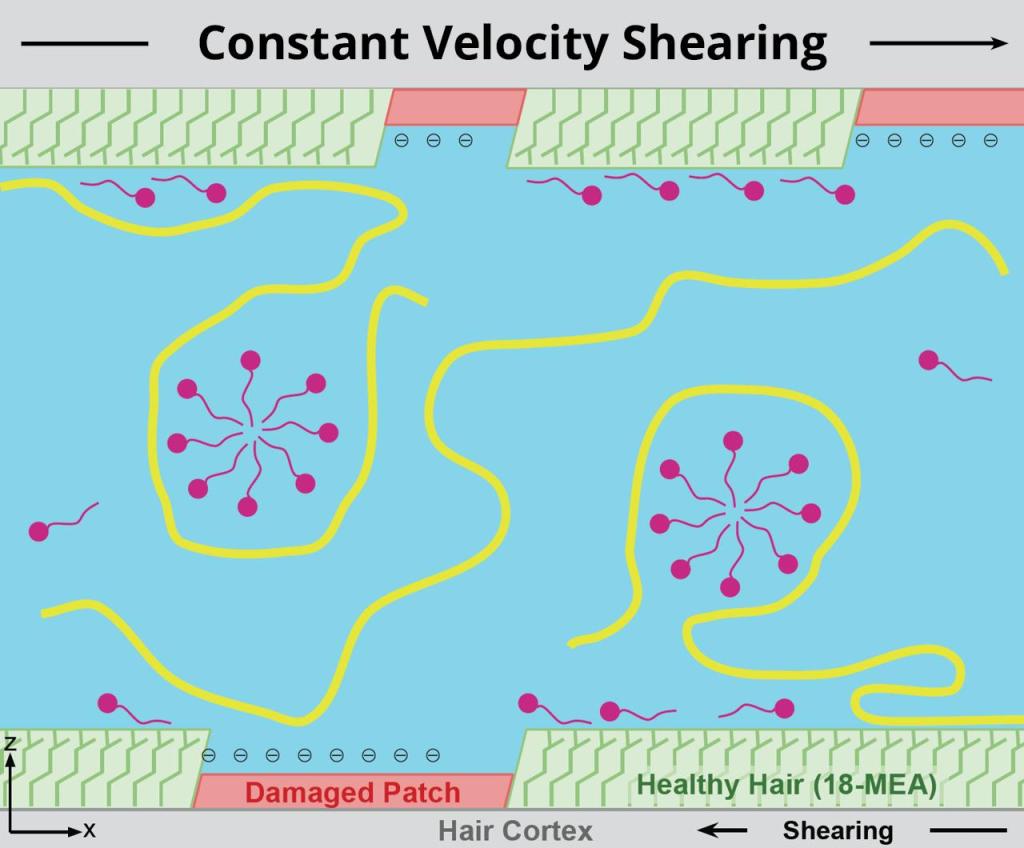
A simplified representation of a typical molecular model system for shampoo interacting with hair surfaces studied in this work.1

Challenges

Changes in consumer behaviors are driving increased demand for green and eco-friendly products in the cosmetic industry. Substitution of natural, bio-based polymers for petrochemicalderived ingredients in consumer formulations has become an active area of research. However, the complexity of these formulations, typically mixtures of surfactants, salt and polymers, makes it non-trivial to replace an ingredient and anticipate its effect on product properties.

Effective and efficient reformulation that maintains comparable performance to existing products requires a deep understanding of the differences in behavior between polymers, which can be time and resource intensive using the traditional experimental approach.


Approach

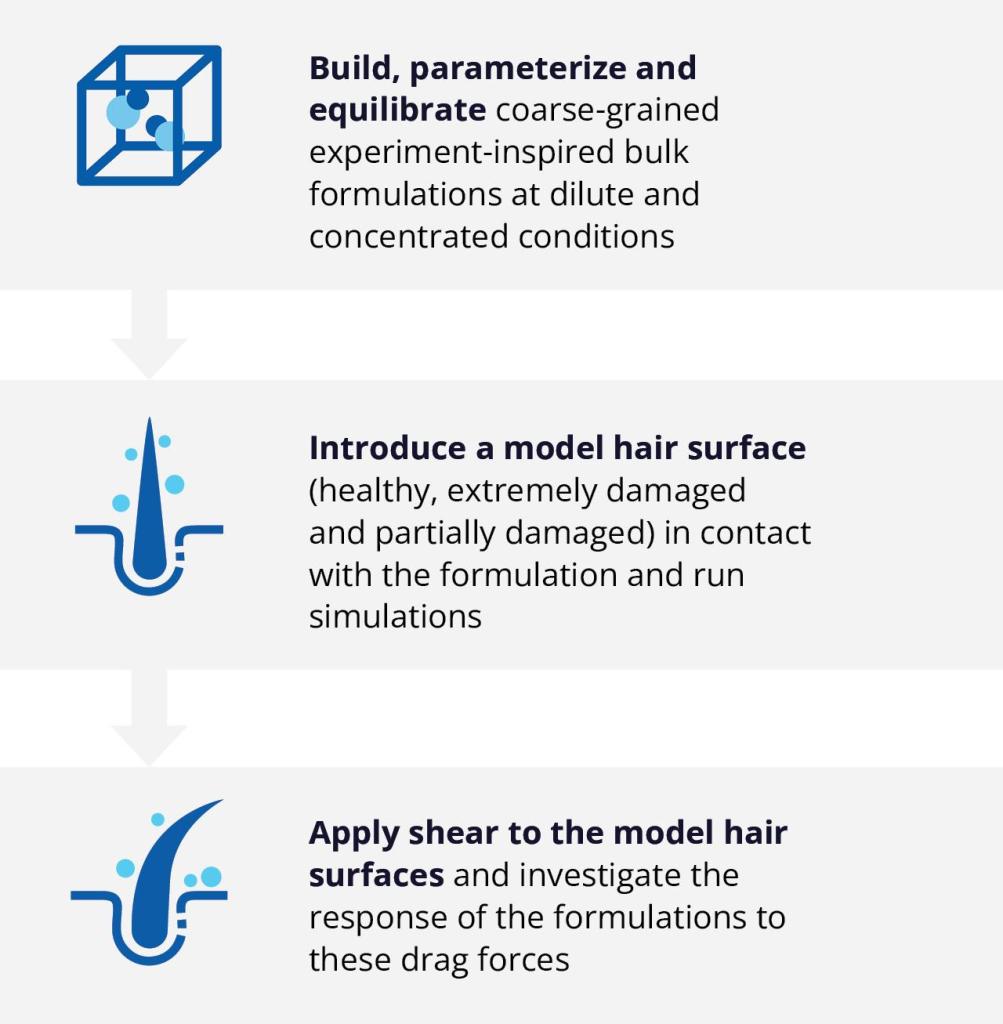
Scientists from L’Oreal and Schrödinger explored the behavioral differences of synthetic polymers and eco-friendly polymers in hair formulations by building realistic models of complex formulation and hair surfaces. All models and simulations were performed using the Schrödinger Materials Science Suite and Desmond for molecular dynamics (MD) according to the following procedure:


Figure 1: Structures of polymers used in this work: (a) Merquat M100TM, (b) Merquat M2003TM and (c) a polysaccharide, PS.1


Results

This work demonstrates an approach for studying the interaction of complex polymer/surfactant formulations with biological substrates via MD simulations. Detailed, experiment-inspired allatom molecular models were used in order to parameterize coarse-grained simulations capable of portraying aggregation and adsorption behavior. Continued progress in this area will establish particle-based simulation as a viable technique for designing new eco-friendly formulations.


Summary

  • Distinct behaviors are observed among polymers (M100, M2003 and PS) as a result of their chemical architecture. The quaternary ammonium groups common to all three polymers play an important role in bulk aggregation, as well as in interactions with surfactant-coated healthy hair surfaces
  • In M2003, the hydrophilic block does not incorporate into aggregates, but it does adhere to the damaged surface, a quality not shown by the other polymers
  • In PS, the highly branched carbohydrate backbone offers a favorable environment for surfactants, and may help increase surfactant solubility. The 12-carbon alkane chains branching off each monomer makes it the only polymer that comes in direct contact with the healthy hair surface
  • The data suggests that the length of the polymer chain can play a role in lubrication properties


What’s next

The exploratory measurements in this study demonstrate that it is possible to quantify frictional coefficients of hair against complex formulations. Large scale, systematic studies that allow for more detailed comparisons between polymers of interest are a clear next step in advancing this area of study. In future work, we intend to examine friction as a function of variations to formulation compositions, polymer chain lengths, model hair surface topology, shear rate as well as distance between hair surfaces.


Figure 2._molecular dynamics and coarse grained sim
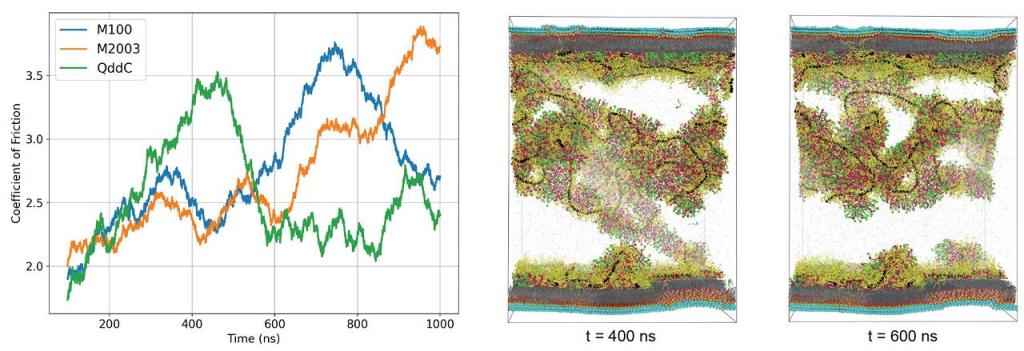
Figure 2: 100 ns moving averages of coefficient of friction, μk, versus time for systems undergoing shear. After about 400 ns of simulation, the measured drag force in the PS system drops significantly. We can understand this visually by observing the detachment of a large aggregate from the bottom layer.1

References

  1. Advancing Drug Discovery Through Enhanced Free Energy Calculations.

    Abel et al. Acc. Chem. Res. 2017, 50, 7, 1625–1632.

  2. Inhibition of CDC7 with SGR-2921 in AML models results in enhanced DNA damage and anti-leukemic activity as monotherapy and in combination with standard of care agents.

    Tsvetkov et al. ASH 2022.

  3. Discovery of novel CDC7 inhibitors that disrupt cell cycle dynamics and show anti-proliferative effects in cancer cells.

    Tsvetkov et al. AACR 2021.

  4. Huang X, Mondal S, Ghanakota P, Boyles N, Frye L, Gerasyuto A, Greenwood JR, Tang H, Levinson AM. Cyclic Compounds and Methods of Using Same.

    U.S. Patent No. WO/2021/113492. 2021.

  5. Mondal S, Tang H,Huang X, Levinson AM, Frye L, Bhat S, Bos PH, Konst Z, Ghanakota P, Greenwood JR. Cyclic Compounds and Methods of Using Same.

    U.S. Patent No. WO/2022/197898. 2022.

Software and services to meet your organizational needs

Industry-Leading Software Platform

Deploy digital drug discovery workflows using a comprehensive and user-friendly platform for molecular modeling, design, and collaboration.

Research Enablement Services

Leverage Schrödinger’s team of expert computational scientists to advance your projects through key stages in the drug discovery process.

Scientific and Technical Support

Access expert support, educational materials, and training resources designed for both novice and experienced users.
Hit to development candidate in 10 months: Rapid discovery of a novel, potent MALT1 inhibitor

Hit to development candidate in 10 months: Rapid discovery of SGR- 1505, a novel, potent MALT1 inhibitor

Digital chemistry platform provides scale and accuracy to drive high precision molecular design

8.2billion

compounds computationally evaluated

78

total compounds synthesized in lead series

10months

To discovery of development candidate

Target
MALT1, protease
Program Type
Schrödinger proprietary program, small molecule
Indication
Relapsed or refractory B-cell lymphoma, chronic lymphocytic leukemia
Stage
Phase 1 clinical trial

“The ability to leverage the computational platform to rapidly identify not just one, but several novel, highly potent series with well-balanced properties is unique in my many years experience in industry.”

Zhe Nie
Project Lead, Executive Director, Medicinal Chemistry,
Schrödinger Therapeutics Group

Design challenge

Mucosa-associated lymphoid tissue lymphoma translocation protein 1 (MALT1) is a genetically validated target for the treatment of diseases associated with lymphocyte regulation. MALT1 consists of three domains: a paracaspase protease domain, an Ig3 domain, and a linking helix. First generation MALT1 inhibitors consisted of large peptidomimetics targeting the protease domain; due to their poor drug-like properties, none made it into the clinic. Second generation MALT1 inhibitors targeting an allosteric region at the interface of the caspase-like and Ig3 domains have been more successful, resulting in a clinical stage compound.

Significant challenges exist in optimizing the properties of second generation MALT1 inhibitors, specifically permeability, efflux, and solubility, while maintaining on-target potency. The aim of this program was to discover a potent inhibitor with good overall drug-like properties to support combinations with standard of care agents for treatment of relapsed or refractory B-cell malignancies.

Scale and accuracy of digital assays drives efficient DMTA cycles

Finding a novel molecule with the right balance of on-target affinity and desired physicochemical properties is the essential challenge of every drug discovery program. In principle, increasing the number of rationally designed compounds assessed across these various properties increases the odds of success. Designing molecules in silico — with the speed and accuracy to traverse billions of molecules — is the guiding ethos of Schrödinger’s digital chemistry strategy. Specifically, this project combines rigorous physics-based modeling with machine learning (ML), predictive ADMET models, and data analytics to search and triage a chemical space consisting of more than 8B compounds. Ultimately, execution of this strategy enabled the identification of multiple novel series.

First, the team performed structure-activity relationship (SAR) analysis of existing chemical matter, followed by computational assessment of the allosteric binding site using WaterMap. As a result, the team identified a number of displaceable highenergy water molecules in regions of the binding site that provided an opportunity to gain potency while exploring different chemotypes.1 Schrödinger’s drug discovery team used this information to drive the evaluation of billions of compounds via a De Novo Design strategy for iterative large-scale design and scoring. This strategy included synthetically-aware, reaction-based enumeration, crowdsourced medicinal chemistry ideation, and FEP+ for free energy perturbation modeling. The accuracy and utility of FEP+ as a computational assay for the prediction of relative binding energies of molecules has been validated extensively, generating predictions within one kcal/mol of experimental values on average.2 By combining FEP+ with high performance cloud computing and machine learning (Active Learning FEP+), over 1,700 molecules were evaluated in the first three months of the project. All ideas and corresponding modeled data crowdsourced by the team were captured and analyzed with LiveDesign, a best-in-class, modeling-enabled collaborative enterprise platform for real-time project ideation (Figure 1). In less than three months, with fewer than 50 total compounds synthesized, the team was able to identify two novel and distinct series of highly potent MALT1 inhibitors, affording progression to in vivo testing.

Figure 1: Modeling strategy and design-predict-make-test-analyze (DPMTA) cycle employed for MALT1 inhibitor program, in which development candidate SGR-1505 was discovered in 10 months.

Overcoming the MPO challenge by tuning potency, solubility, and permeability simultaneously

Once potent chemical series were identified, the team focused on tuning physicochemical properties to meet the target product profile (TPP). They employed a multiparameter optimization (MPO) scoring system to triage molecules rapidly based on their predicted ability to satisfy the TPP. Calculation of the MPO score was based on values derived from predictive models for solubility, permeability, and potency. Using this strategy the design team assessed over 5,000 ideas and identified 43 compounds that met the program’s criteria. A handful progressed to synthesis and experimental testing, reducing cost and time significantly.

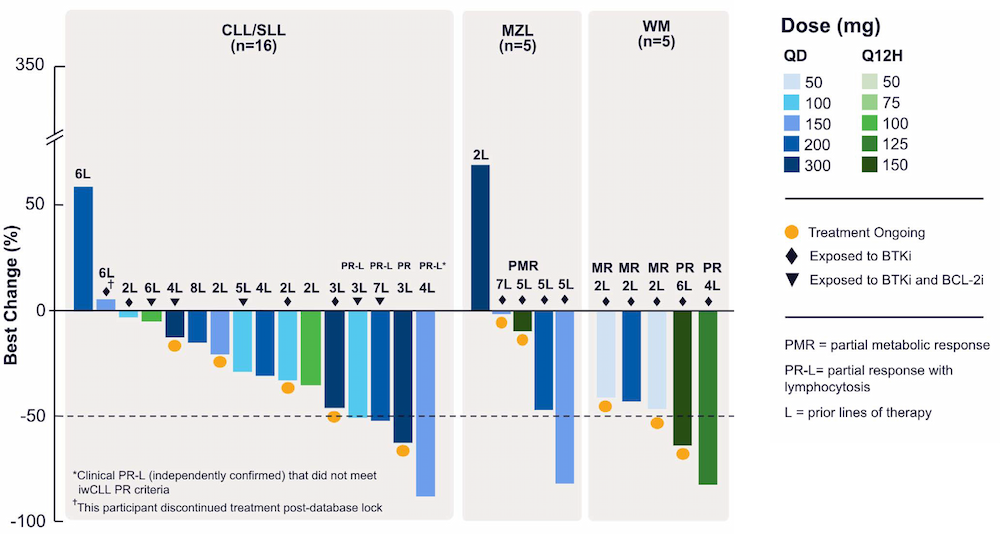
Within 10 months and a total of 78 compounds synthesized in the lead series (and 129 compounds program wide), the project team identified a potential best-in-class MALT1 inhibitor with balanced properties and on-target activity, SGR-1505 (Figure 2). In June 2025, SGR-1505 was observed in its ongoing Phase 1, open-label, dose-escalation study to have a favorable safety profile and was well tolerated, with encouraging preliminary efficacy in patients with relapsed/refractory B-cell malignancies.4 Responses were observed across a broad range of B-cell malignancies, including monotherapy responses in patients with chronic lymphocytic leukemia (CLL) and Waldenström macroglobulinemia (Figure 3).5

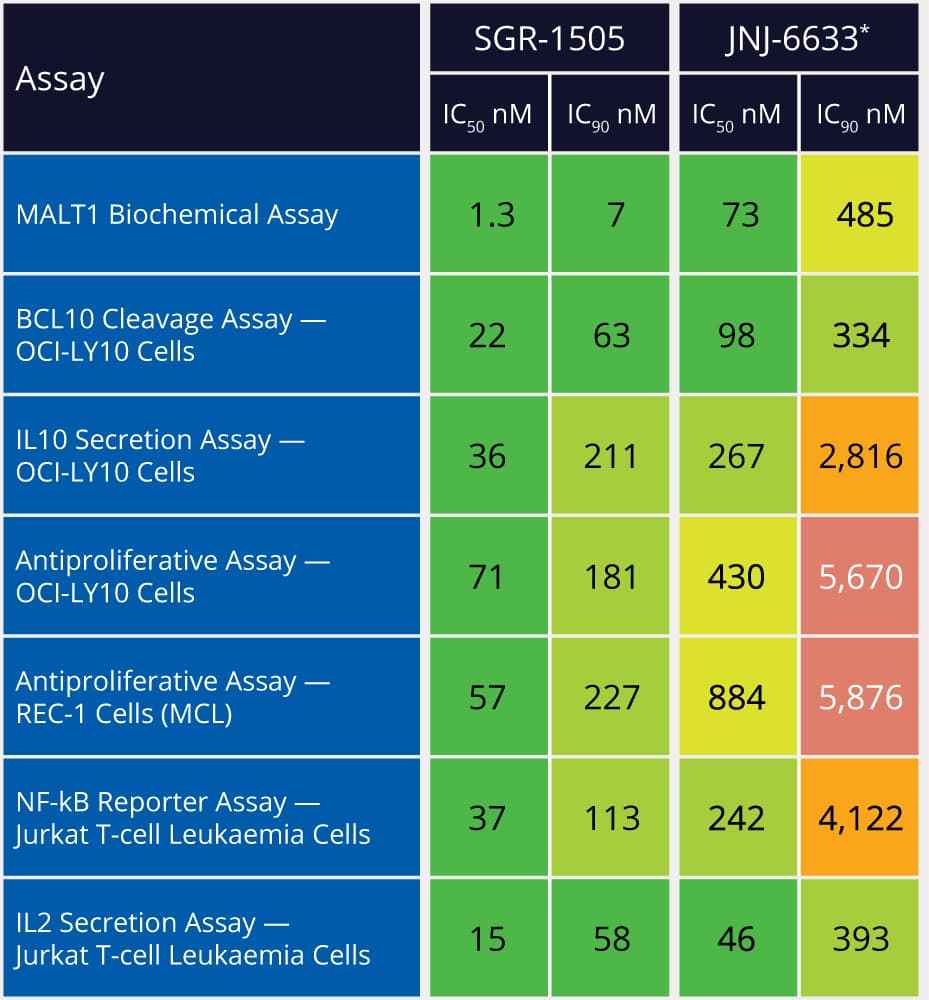
Figure 2: Comparison of SGR-1505 with competitor’s MALT1 inhibitor. *Structure of JNJ-6633 first disclosed by Tianbao Lu at 2021 Spring ACS. All competitor data is internally generated by contract research organizations. Yin et al., ASH 2023.
Figure 3: Initial results of the SGR-1505 Phase 1 study showing encouraging preliminary efficacy across a range of B-cell malignancies including chronic lymphocytic leukemia/small lymphocytic leukemia (CLL/SLL), marginal zone lymphoma (MZL), and Waldenström macroglobulinemia (WM).

Enabling digital technologies to drive discovery programs

FEP+

Digital assay for predicting protein-ligand binding across broad chemical space at an accuracy matching experimental methods.

De Novo Design Workflow

Ultra-large scale chemical space exploration combining multiple compound enumeration strategies with an advanced filtering cascade.

WaterMap

Calculation of the positions and energies of water sites in a protein binding pocket.

LiveDesign

Collaborative enterprise informatics platform for centralizing access to virtual and wet lab project data and powerful computational predictions.

References

  1. Calculating water thermodynamics in the binding site of proteins – Applications of WaterMap to drug discovery.

    Cappel et al. Curr. Top. Med. Chem. 2017, 17(23), 2586-2598.

  2. Advancing drug discovery through enhanced free energy calculations.

    Abel et al. Acc. Chem. Res. 2017, 50(7), 1625–1632.

  3. Characterization of potent paracaspase MALT1 inhibitors for hematological malignancies.

    Yin et al. ASH Presentation 2021.

  4. Schrödinger reports encouraging initial Phase 1 clinical data for SGR-1505 at EHA Annual Congress.

    Schrödinger. 2025.

  5. A Phase 1 study of SGR-1505, an oral, potent, MALT1 inhibitor for relapsed/refractory (R/R) B-cell malignancies, including chronic lymphocytic leukemia/small lymphocytic leukemia (CLL/SLL).

    Spurgeon, et al. European Hematological Association Annual Congress. 2025.

Software and services to meet your organizational needs

Industry-Leading Software Platform

Deploy digital drug discovery workflows using a comprehensive and user-friendly platform for molecular modeling, design, and collaboration.

Modeling Services

Leverage Schrödinger’s team of expert computational scientists to advance your projects through key stages in the drug discovery process.

Scientific and Technical Support

Access expert support, educational materials, and training resources designed for both novice and experienced users.
Chinese: LiveDesign 转变合作式的药物发现 | LiveDesign transforming collaborative drug discovery

JUL 7, 2023

LiveDesign 转变合作式的药物发现 | LiveDesign transforming collaborative drug discovery

Speaker

Da Shi
Senior Scientist II

Abstract

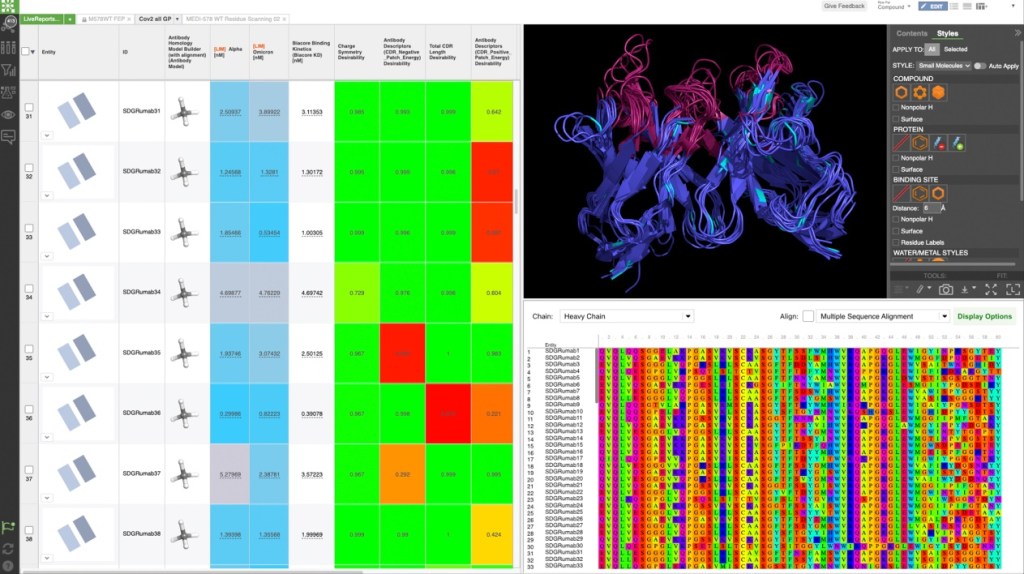
Modern drug discovery involves large amounts of data, sophisticated models, and true collaboration across geographical locations and organizations. Data, models, and workflows are often accessed through multiple siloed applications, making it difficult to gain true insight. In addition, a productive Design-Make-Test-Analyze (DMTA) cycle in drug discovery often requires efficient data sharing and tracking, which is typically difficult with siloed applications. We will present an introduction and demonstration of our enterprise informatics platform solution, LiveDesign, which brings together assay data, model results, idea capture, and collaborative workflows to accelerate the drug discovery and design process and keep the global team in sync throughout the drug discovery cycle.

现代药物发现涉及大量数据、复杂模型和跨区域和部门之间的协作。我们往往通过多个独立的应用程序访问实验数据、计算模型和工作流程,导致数据分散,难以关联,管理困难,而我们的灵感很难及时捕捉与分享。在药物发现项目中高效的设计-制造-检测-分析(DMTA)周期通常需要实时的数据共享与跟踪,这很难在独立的应用程序中实现。本次讲座我们将介绍并演示LiveDesign企业信息学平台,它将数据分析、模拟结果、新设计的记录与协作工作流程结合在一起,并使全球团队在整个药物发现过程中保持同步。

Cutting-Edge Cosmetics: Innovating for Sustainability with Machine Learning & Molecular Simulations

JUN 28, 2023

Cutting-Edge Cosmetics: Innovating for Sustainability with Machine Learning & Molecular Simulations

Speaker

Jeffrey Sanders
Product Manager, CPG

Abstract

Demand for sustainable, eco-friendly cosmetics is growing, but meeting customer demand requires finding formulations that perform at least as well as the existing synthetic alternatives. In this webinar, we’ll explore the challenges chemists face, and how new approaches can help find solutions quicker.

Harnessing advances in machine learning, particularly active learning combined with molecular simulation, holds immense potential for efficient formulation development in the eco-friendly cosmetics industry. However, the limited availability of relevant data poses challenges. Active learning bridges this gap by integrating diverse datasets, enabling the construction of robust machine learning models that cover the extensive design space. Molecular simulation complements this process by predicting physical properties of various formulations.

In this hour-long, interactive webinar, you will hear about the efficacy of this approach using rhamnolipid biosurfactants as an eco-friendly formulation example.

By attending this webinar you will learn:

  • New digital approaches to sustainable cosmetic formulation development
  • How machine learning methods and molecular simulations reduce formulation development cycle time
  • To identify key areas in your R&D where machine learning and molecular simulations can provide value

Japanese: Schrödinger デジタル創薬セミナー Into the Clinic ~計算化学がもたらす創薬プロセスの変貌~ 第2回

JUN 27, 2023

Schrödinger デジタル創薬セミナー: Into the Clinic ~計算化学がもたらす創薬プロセスの変貌~ 第2回

Speaker

Aleksey Gerasyuto
Vice President, Drug Discovery, Head of Chemistry, Schrödinger Therapeutics Group

Abstract

Inhibitors of integrin αvβ6 have the potential to treat fibrotic disease through blockage of the TGFβ pathway. At Morphic Therapeutic, we investigated a series of zwitterionic alpha amino acid αvβ6 inhibitors in a structurally enabled program using a variety of in silico techniques combined with traditional medicinal chemistry approaches. The main challenges to overcome in the program were obtaining sufficient permeability for oral bioavailability and sufficient αvβ6 potency and selectivity over related integrins αvβ1 and αvβ8. Highly permeable compounds were obtained by identifying structures that could adopt a shielded conformation with reduced amine basicity. These efforts were enhanced by computational modeling and QM based pKa predictions. In the optimization of potency and selectivity, Free Energy Perturbation (FEP+) proved to be a valuable tool for prioritizing compounds for synthesis. The in vivo half-life of the compounds was optimized using a cassette PK screening approach. The program resulted in the discovery of MORF-627, a highly potent and selective αvβ6 inhibitor development candidate with projected once daily oral human dosing.

The Predict-First Paradigm: How Digital Chemistry is Changing Drug Discovery

JUN 21, 2023

The Predict-First Paradigm: How Digital Chemistry is Changing Drug Discovery

Speakers

Eugene Hickey, Senior Research Leader
Alice Hooper, Senior Scientist
Wade Miller, Senior Scientist
Olivia Lynes, Strategic Deployment Manager

Abstract

Drug discovery chemists often ask two common questions: “What is the most efficient way to test my hypothesis?” and “How can I iterate on my ideas quickly?”

Digital chemistry offers a modern paradigm for answering these questions by enabling rapid in silico testing of design ideas using highly accurate digital assays of key properties, accessible across whole project teams. This shift from design strategies based largely on experimental trial and error towards a ‘predict-first’ approach to drug discovery allows teams to dramatically expand the pool of molecules that can be explored and results in a highly interactive and fully in silico design-make-test-analyze (DMTA) cycle. Chemists are empowered to test hypotheses through predictive modeling and iteratively improve designs prior to compound synthesis. Teams can confidently spend time and energy exploring new, unknown, and often more complex designs while sending only the top performing molecules for synthesis.

In this webinar, we will walk through the digital chemistry strategy used by Schrödinger’s Therapeutics Group, which has led to several successful clinical-stage drug candidates. We will demonstrate how this strategy is based in LiveDesign, Schrödinger’s cloud-native, collaborative enterprise informatics platform, which empowers teams to design, computationally assess, and prioritize new compounds together in real-time.

Key Learning Objectives:

  • Predict properties: Understand how computationally-guided molecular design and a predict-first strategy can accelerate and improve your small molecule drug discovery process
  • Centralize technology: See how Schrödinger scientists used a digital chemistry platform to enhance crowdsourced ideation and team collaboration
  • Overcome collaboration hurdles: Learn how a centralized platform for molecular design and discovery can increase project efficiency by securely and easily sharing data with internal and external CRO partners

Computational drug design and chemo-informatics: a hands-on course at the University of Antwerp

Computational drug design and chemo-informatics: a hands-on course at the University of Antwerp

The University of Antwerp is the third-largest university in the Dutch-speaking region of Belgium, with over 20,000 students annually. Within the Biochemistry and Biotechnology curriculum, students have the option to take a three-ECTS course on computational drug design and chemo-informatics. The course is organized in a modular fashion and covers both theoretical and practical sessions.

During the theoretical sessions, students learn about chemo-informatics and virtual screening, which includes concepts such as chemical fingerprints, molecular similarity, clustering, machine learning models, and virtual screening performance metrics. The course also covers molecular docking and pharmacophore searching. The concepts covered in the theoretical sessions are then put into practice in a series of hands-on sessions.

For the chemo-informatics tasks, the students use Google Colab with RDKit as a chemo-informatics toolkit, while for the pharmacophore and docking-related aspects, they use Maestro, Phase, and Glide. These tools are made available through the “Teaching with Schrödinger” web-based virtual workstations, which allows students to access them from anywhere at any time. Finally, using an internally-developed virtual reality system, the students can graphically study the non-bonded interactions between ligand and protein.

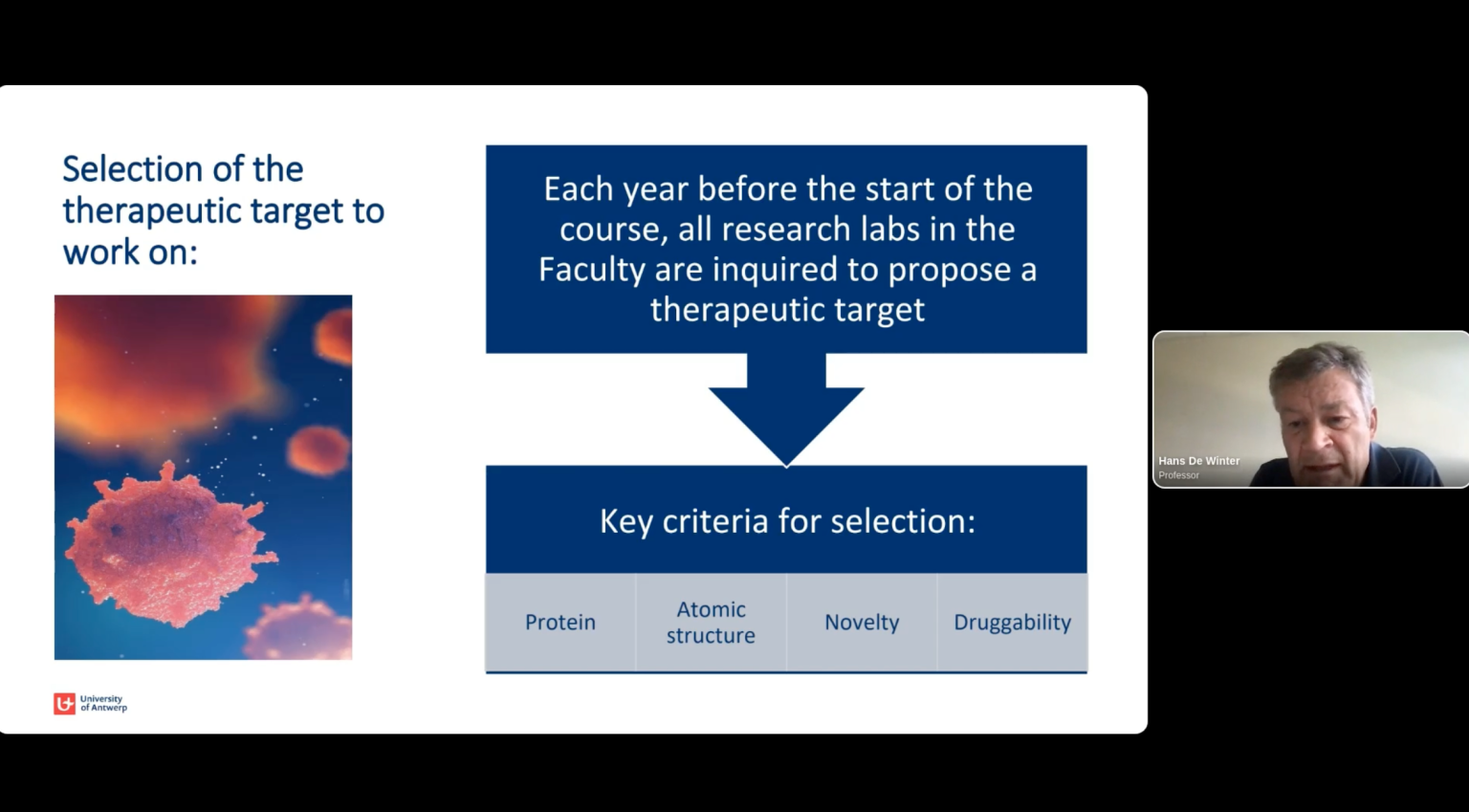
At the start of the course, a drug design project is defined based on ongoing research programs in the Faculty. The goal of the project is to identify a limited number of commercially-available compounds (5-10) that are subsequently purchased and biochemically characterized for their inhibitory properties. The students complete the program with a written report, which serves as the basis for the oral examination at the end.

Our Speaker

Prof. Hans De Winter

Professor, University of Antwerp

Hans De Winter was appointed in 2013 as a professor of Computational Drug Design at the University of Antwerp (Belgium) after a long career in industry, first as a senior scientist at Johnson & Johnson in Beerse, Belgium, and subsequently as a co-founder and CSO of Silicos NV. He holds a PhD from the University of Leuven (Belgium) and completed post-doctoral stays at the Victorian College of Pharmacy (Australia) and the Rega Institute in Leuven (Belgium) before starting his career as a scientist in the pharmaceutical industry. Despite his elaborated industrial background during a period of more than 20 years, he has over 60 scientific publications and is listed as inventor on eight granted patents. Hans’ research interests are mainly situated in the field of computational medicinal chemistry and cheminformatics.

Indiana Biosciences Research Institute enables drug discovery using CDD Vault and Schrödinger LiveDesign

Indiana Biosciences Research Institute enables drug discovery using CDD Vault and Schrödinger LiveDesign

Situation

The Indiana Biosciences Research Institute (IBRI) is a leading translational research center that advances academic and industry science through collaboration to improve patient health outcomes. The IBRI supports translational research across a number of areas, including diabetes, Alzheimer’s disease and pediatric rare diseases.

As part of its translational research efforts, the IBRI is committed to accelerating digital drug design. Using automated informatics workflows, incorporating in silico modeling and property predictions, and connecting data and teams to facilitate seamless collaboration are ways the IBRI is enabling accelerated drug design and research.

As these modern approaches leverage increasing amounts of complex data, there are significant challenges to ensure this information is accessible, usable, and updated in real-time for the scientists and project teams involved.

Dr. Mary Mader, Vice President of Molecular Innovation at the IBRI, explained that theinstitute recognized a need for an efficient drug discovery informatics platform that could seamlessly integrate visualization, physics, and 3D space modeling.


The Technology Solution

After evaluating a number of options, the IBRIdeployed a solution using Collaborative Drug Discovery’s CDD Vault and Schrödinger’s LiveDesign. CDD Vault is the hosted drug discovery informatics platform that securely manages both internal and external biological and chemical data. LiveDesign is a cloud-native enterprise informatics platform that enables teams to rapidly advance drug discovery projects by collaborating, designing, experimenting, analyzing, tracking, and reporting in a centralized platform.

Indiana Biosciences Research Institute. Advancing academic and industry science through collaboration to improve patient health outcomes.

“When we were initiating the Molecular Innovation Group, we were partnering with investigators at the Indiana University School of Medicine,” says Jay McGill, PhD, Chief Operating Officer and Executive Vice President of Administration at the IBRI. “We looked atvarious tools for specific parts of the process—including tools for sample registration and for doing molecular calculations. We brought a lot of these tools together for evaluation. We found the best solution for us was CDD Vault integrated with Schrödinger’s LiveDesign.”

“Experimental data capture and analysis are core to what we want to be able to do and to what we want our academic partners to have access to,” Mader says. “We’ve achieved this using CDD Vault in partnership with Schrodinger’s Drug Discovery suite, including LiveDesign.”

Scientists at the IBRI use CDD Vault for registration of compounds, data storage, and its visualization tools, including data curves, to perform initial analysis; meanwhile LiveDesign is used to perform computational modeling and further analysis on data, including for SAR analysis and 3D molecular modeling.

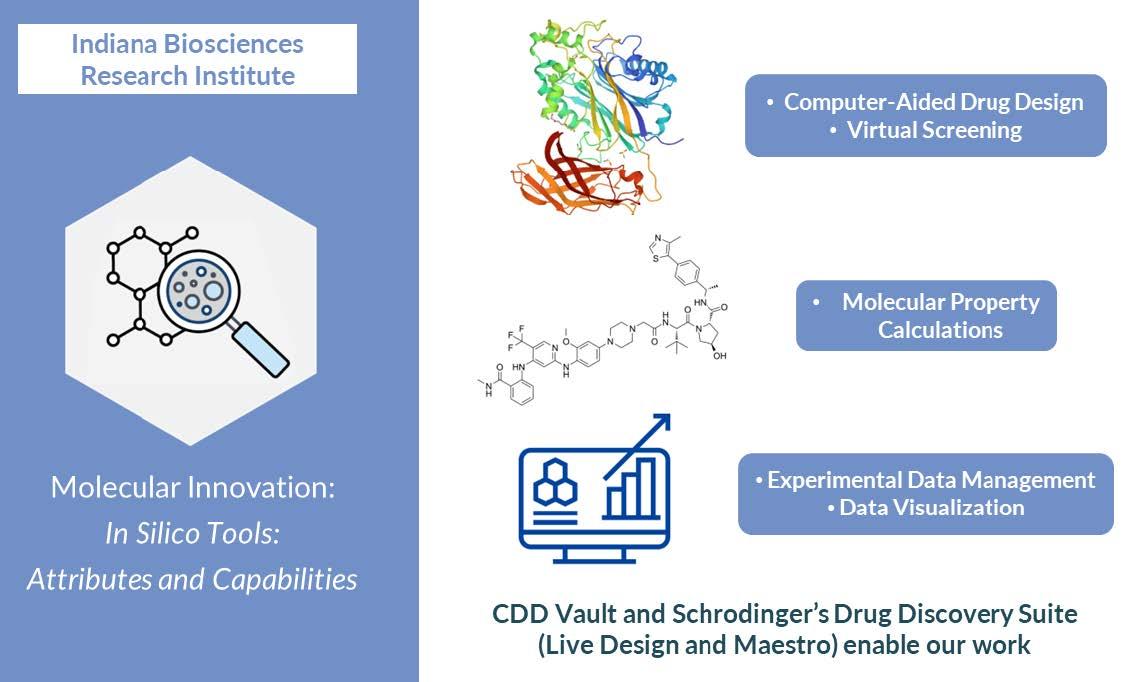
Scientists at the IBRI drive their drug discovery workflows by integrating CDD Vault and Schrödinger’s Drug Discovery Suite (LiveDesign and Maestro).

Benefits

The IBRI has found a number of benefits sinceadopting this multi-tool approach, including:

  • Supporting a “single version of the truth”
  • Streamlining workflows through integrationof complementary solutions
  • Integrating the full Design-Make-Test-Analyze cycle

Supporting a “Single Version of the Truth”

The IBRI’s dedication to speeding thetranslation of scientific research into health care advances required a drug discovery informatics platform that could serve as a secure central data store and provide what Mader refers to as “a single version of the truth.”

“When you’re trying to share data across a number of different partners in different departments and different institutions, Excel spreadsheets aren’t scalable,” Mader says. “Several of us here at the IBRI came from anindustrial background where storage of data into a data repository, and then having a common platform for data sharing, was something that we expected. But not all of the partners that we now work with have been accustomed to that. CDD Vault helps us achieve our vision of the IBRI both partnering withacademic institutions, as well as providing a place to house startup companies and potential partners to come to Central Indiana and work in our lab space.”

Mader values the flexibility CDD Vault provides in hosting diverse data types. “CDD Vault serves as a repository for all of our drug discovery needs, including cell lines, sequence information, and differentiation protocols for iPSCs,” Mader says. “Having a common place of data storage for members of the team to be able to access is extremely useful for us. It enables us to share data with our partners and keep everyone on the same page.”

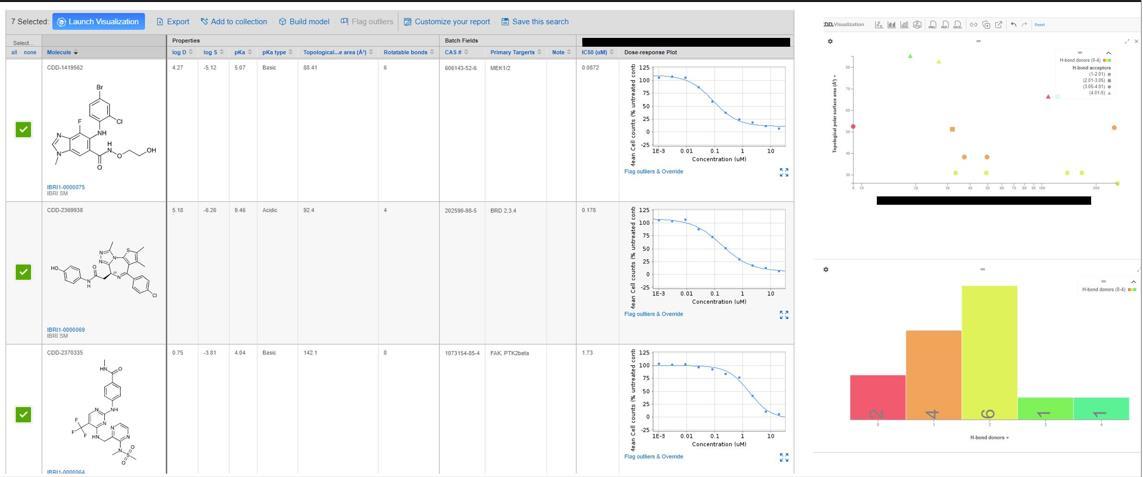
The IBRI team uses CDD Vault to archive and visualize calculated properties and essential data.

Streamlining Workflows through Integration of Complementary Solutions

“Because CDD partners with LiveDesign, researchers can draw from the data in CDD Vault when designing compounds in LiveDesign, to have all properties depicted in one view,” Mader says. “You’re not having to flip between two different pieces of software.”

“Capturing synergy data depictions with LiveDesign and CDD Vault is powerful. We can have an image file stored of the synergy scoring protocols that we use so that we’re aligned on the data analysis. We’re all seeing the same information consistently across the project,” says Mader. “Schrödinger’s LiveDesign greatly enables compound analysis, including plotting SAR space, and understanding the SAR space associated with compounds that you have designed relative to existing compounds.”

The seamless integration between CDD Vault and Schrödinger LiveDesign eliminates difficulties researchers previously had when shifting to other visualization tools – allowing teams to make better use of the tools they had at their fingertips. Mader noted, “Both of these tools have very good data visualization capabilities built within them, and you can work back and forth between them without interruption. Unlike tools I’ve worked with in the past, CDD Vault and Schrödinger LiveDesign allow you to create standardized views of ways that you want to analyze data or ways that you’d like the team to think about analyzing the data. This enables consistency in how a team sees a depiction of data, while also allowing them to create their own views, and share that information through CDD Vault. ”

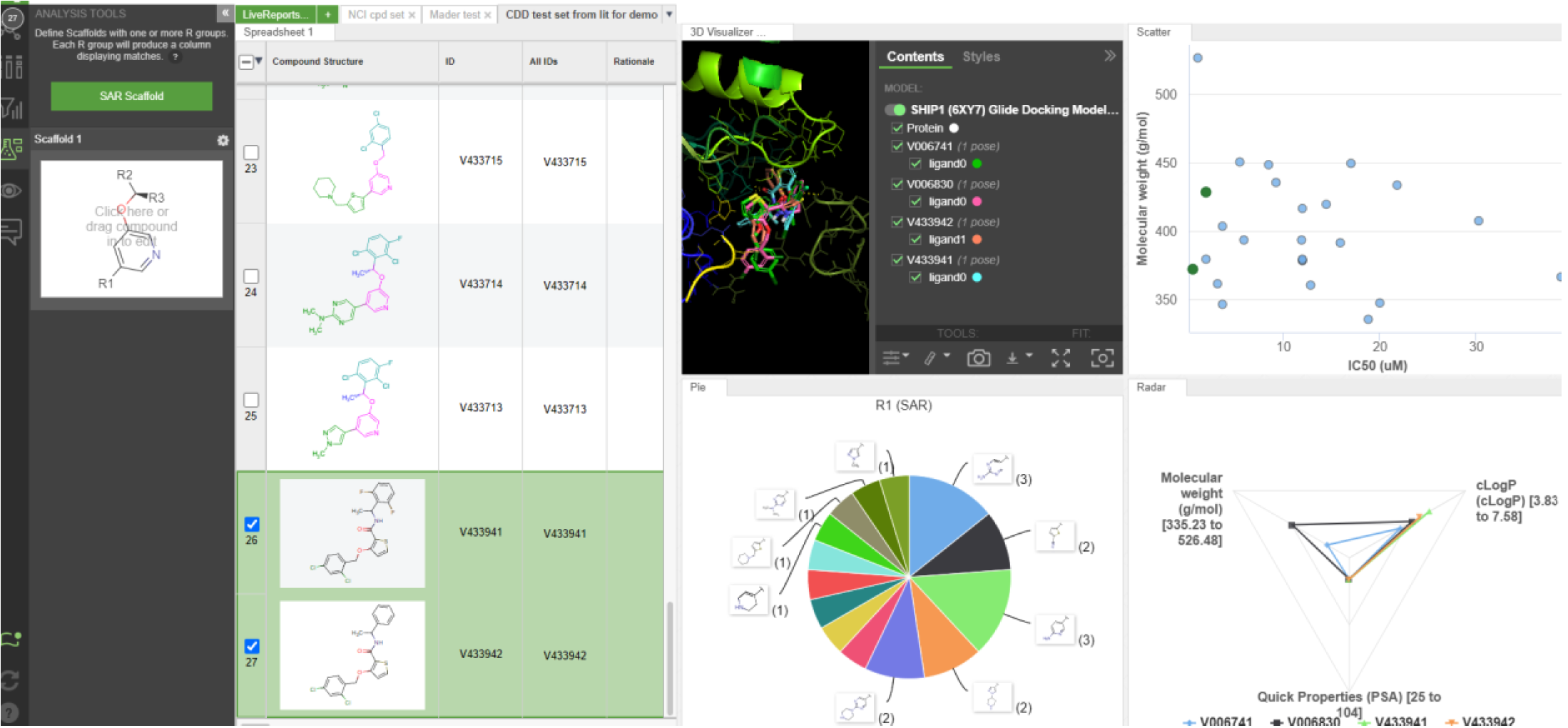
The IBRI team uses LiveDesign for real-time design iteration and detailed analysis, accessing data stored in CDD Vault.

Integrating the Full Design-Make- Test-Analyze Cycle

The IBRI has found that the combination of CDD Vault and Schrödinger LiveDesign supports the full Design-Make-Test-Analyze (DMTA) cycle of drug discovery.

“As you move into designing compounds, the ability to pull data from CDD Vault into LiveDesign to create new compounds is enormously powerful,” Mader says. “Once in LiveDesign, you can create a workflow within data generation and compound design, and use docking tools, MPO scores, and a number of other parameters that are calculated for you. You can support the full loop of the design/ make/test cycle using CDD Vault and Schrödinger LiveDesign.”

“If you have a body of data against target X from the literature, you can import that data and create a docking model to serve as the basis of design,” Mader says. “You can use that model to try to identify new parts and pieces of a molecule that you might want to make. This sort of workflow for the designing, making, and testing of compounds gives you a larger picture of designed, potential molecules. From there you are able to select for characteristics of interest, see which meet the many criteria that you may be applying to your design hypothesis, and then solve for within SAR. So, the workflow and access to the data tools that are available within these two pieces of software have accelerated this full loop process.”

“We believe that our use of CDD Vault and Schrödinger LiveDesign will help speed this process. The value of these two tools comes in how they enable the drug discovery process.”

– Jay McGill, PhD, Chief Operating Officer and Executive Vice President of Administration, Indiana Biosciences Research Institute

Combining Tools to Enable Drug Discovery

“Ultimately, for all of us, our success is measured by how many molecules we produce that become drugs that have a positive impact on patient health,” McGill says. “We believe that our use of CDD Vault and Schrödinger LiveDesign will help speed this process. The value of these two tools comes in how they enable the drug discovery process.”

About Collaborative Drug Discovery

Collaborative Drug Discovery provides a modern approach to drug discovery informatics that is trusted globally by thousands of leading researchers. Our CDD Vault is a hosted informatics platform that securely manages both private and external biological and chemical data. It provides core functionality including chemical registration, structure activity relationship, inventory, visualization, and electronic lab notebook capabilities. For more information, visit us at www.collaborativedrug.com.

About Schrödinger

Schrödinger is transforming the way therapeutics and materials are discovered. Schrödinger has pioneered a physics-based computational platform that enables discovery of high-quality, novel molecules for drug development and materials applications more rapidly and at lower cost compared to traditional methods. The software platform is licensed by biopharmaceutical and industrial companies, academic institutions, and government laboratories around the world. Schrödinger’s multidisciplinary drug discovery team also leverages the software platform to advance a portfolio of collaborative and proprietary programs to address unmet medical needs. Founded in 1990, Schrödinger has approximately 800 employees and is engaged with customers and collaborators in more than 70 countries. To learn more, visit us at https://www.schrodinger.com.