SAMPE Europe

Conference

SAMPE Europe

CalendarDate & Time
  • September 24th-26th, 2024
LocationLocation
  • Belfast, Northern Ireland

Schrödinger is excited to be participating in the SAMPE Europe conference taking place on September 24th – 26th in Belfast, Northern Ireland. Join us for a presentation by Eli Sedghamiz, Senior Scientist II at Schrödinger, titled “Designing Tailored Sizing Agents for Enhanced Mechanical Properties in Benzoxazine Composites through Molecular Simulation.” Stop by booth 30 to speak with Schrödinger scientists.

icon time SEPT 25 | 13:30 PM
icon location Room 1 Education Suite
Designing Tailored Sizing Agents for Enhanced Mechanical Properties in Benzoxazine Composites through Molecular Simulation

Speaker:
Eli Sedghamiz, Senior Scientist II, Schrödinger

Abstract:
The effective optimization of mechanical properties in composite materials relies heavily on the design of new sizing agents. Our study delves into overcoming challenges encountered in polybenzoxazine as a matrix in carbon fiber composites. While polybenzoxazine boasts high mechanical strength, it often falls short in toughness. Expanding upon experimental insights, we integrate curcumin-based polyurethanes (CPUs) as sizing agents within polybenzoxazine (BA) matrices, while simultaneously adjusting the extent of hydrogen bonding on carbon fiber surfaces. Our aim is to uncover the impact of these adjustments on crucial thermomechanical properties by classical molecular dynamics simulations and to establish structure-property relationships. Our findings highlight enhancements in these properties, emphasizing the transformative potential of tailor-made sizing agents in reshaping composite material performance. This research complements our understanding of composite material design and provides valuable guidance for experimentalists seeking innovative strategies to develop new and high-performance materials.

ALD Modelling Workshop

Workshop

ALD Modelling Workshop

CalendarDate & Time
  • October 24th, 2024
LocationLocation
  • Mannheim, Germany
Register

Using Materials Science Suite for atomic-scale simulations of atomic layer deposition and in the semiconductor industry

Schrödinger invites you to a one-day in-person workshop in Mannheim, Germany to gain hands-on experience with Schrödinger software for atomic layer deposition and related gas-surface processes.

Participants will get practical experience and in-person guidance in using our Materials Science Suite, including the specialized model builders for molecules, organometallic precursors, bulk materials and surfaces. Automated tools for studying adsorption, thermal stability and volatility will be explored and the quantum mechanics engines Jaguar and Quantum Espresso will be introduced.

When & Where:

Thursday 24th October 2024
Glücksteinallee 25
68163 Mannheim
Germany
(5 minutes walk from Mannheim Hauptbahnhof)

Please see the FAQs section below for information regarding what to bring, getting to the venue, and accessibility.

If you need further information please contact Patrick Heasman: patrick.heasman@schrodinger.com

If you are interested but unable to attend in person, please reach out to the contact above.

Registration:

Registration is free and includes lunch and refreshments.

Participants must bring their own laptop to access the software. And an external mouse is recommended. We will be utilising our virtual computer, which is accessed via web browser – No software installation is required prior to the session.

Places are limited, so please ensure to register as soon as possible.

Registration will close at latest on Wednesday 16th October 2024

Who should attend:

Any researcher working in the semiconductor industry or in ALD / CVD research, or interested generally in learning about computational materials science. No prior experience is required.

Instructional material can be reviewed before or after the workshop for free.

Speakers and demonstrators:

Dr Simon Elliott

Dr Leonie Koch

Dr Patrick Heasman

FAQs

Where is the venue and how can I get there?

The workshop is being help at our offices in Mannheim, Germany. The building is accessible via car, and the train station is within a 5 minute walk.

What is included with my registration?

Registration is completely free to attend the workshop. We will also be providing food and refreshments throughout the day.

Can I join the session virtually / remotely?

As we want to give the attendees help and guidance during the workshop we currently have no intention of running this workshop online. Please reach out if you are interested by are unable to travel to the event location.

What do I need to bring?

A laptop is required for this workshop. We will not be providing any on the day, so please ensure that you bring one. We also recommend that you bring a personal laptop to avoid any firewall restrictions.

An external mouse is not required, but we do recommend that you bring one as our software makes full use of the 3 buttons.

No. We will be utilising the Schrödinger Virtual Computer for all hands-on sessions. A suitable web browser is required for accessing this (Chrome, Edge, Firefox).

How long is the workshop?

The workshop is an all day event to give you the best opportunity to learn about our tools and benefit from the practical sessions throughout. We will start at 10:00 am and finish at approximately 4:00 pm.

For accommodation and travel, we ask that attendees make their own arrangements. There are several hotels within walking distance to the venue, and the train station is situated close by.

Please contact Patrick Heasman (patrick.heasman@schrodinger.com) for any additional information about the event and the location.

Travelling from:

  • Frankfurt / Frankfurt Airport – A direct train to Mannheim takes approximately 45 minutes.

Hotel recommendations:

  • Holiday Inn Mannheim City
  • LanzCarré Hotel Mannheim
  • Premier Inn Mannheim City Centre hotel
  • Hilton Garden Inn Mannheim
Register

IMID 2024

Conference

IMID 2024

CalendarDate & Time
  • August 20th-23rd, 2024
LocationLocation
  • ICC Jeju, Jeju Island, Korea

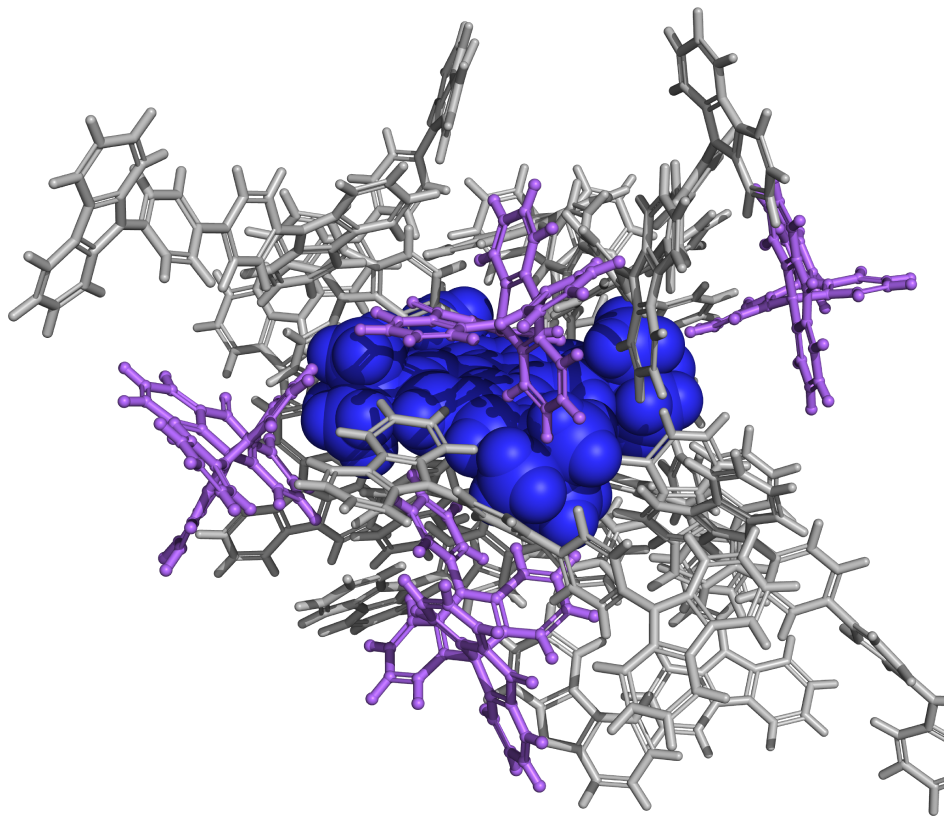
Schrödinger is excited to be participating in the IMID 2024 conference taking place on August 20th – 23rd in ICC Jeju, Jeju Island, Korea. Join us for a presentation by Shaun Kwak, Director of Materials Science Applications at Schrödinger, titled “Physics-Informed Design of Display Materials Enabled by Digital Chemistry.”


icon time 13:10 – 13:35
icon location Room G (401)
Physics-Informed Design of Display Materials Enabled by Digital Chemistry

Shaun Kwak, Director of Materials Science Applications, Schrödinger

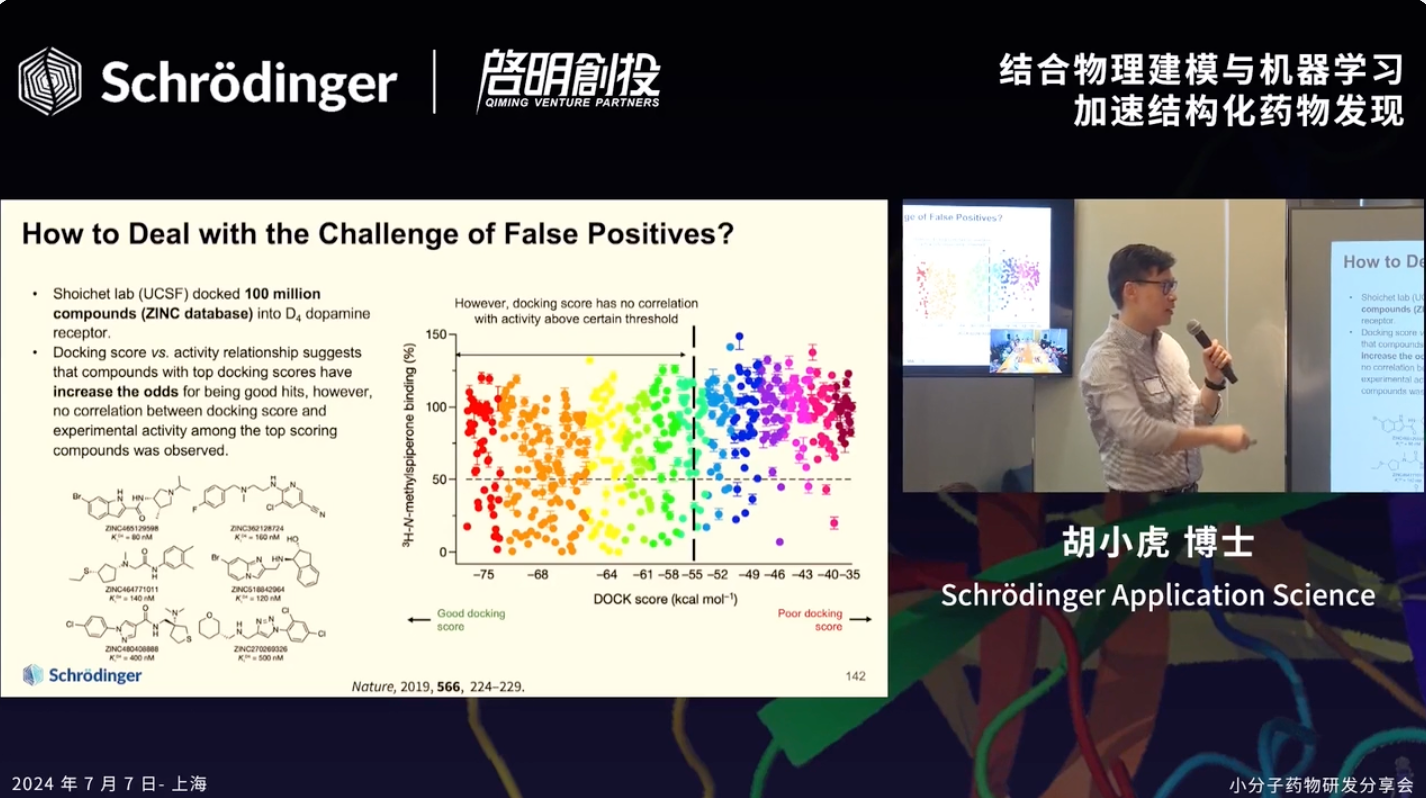
From Potential Energy to Free Energy 从势能到自由能–薛定谔的FEP+及物理驱动平台如何革新制药行业的计算药物发现

JUL 6, 2024

From Potential Energy to Free Energy 从势能到自由能–薛定谔的FEP+及物理驱动平台如何革新制药行业的计算药物发现

Xiaohu Hu, 胡小虎博士

Application Science, Schrödinger

胡小虎是一位资深计算生物物理学家,擅长分子动力学建模,特别是在自由能计算和利用增强采样技术预测分子系统热力学和动力学方面有着丰富的经验。他毕业于德国海德堡大学,获得物理学硕士学位,并在田纳西大学诺克斯维尔分校获得博士学位。 在2019年加入薛定谔公司担任应用科学家之前,胡小虎在纽约西奈山伊坎医学院担任博士后研究员,主要研究G蛋白偶联受体的药理学。在薛定谔,他的主要职责包括为制药和生物技术公司提供咨询和建议,帮助他们应用先进的计算方法来克服药物设计和发现中的挑战。此外,他还负责开展各种研究项目,开发新的计算方法,进一步拓展薛定谔技术的应用领域。

Related Presentations

View presentations from the Summer Qiming Event 2024

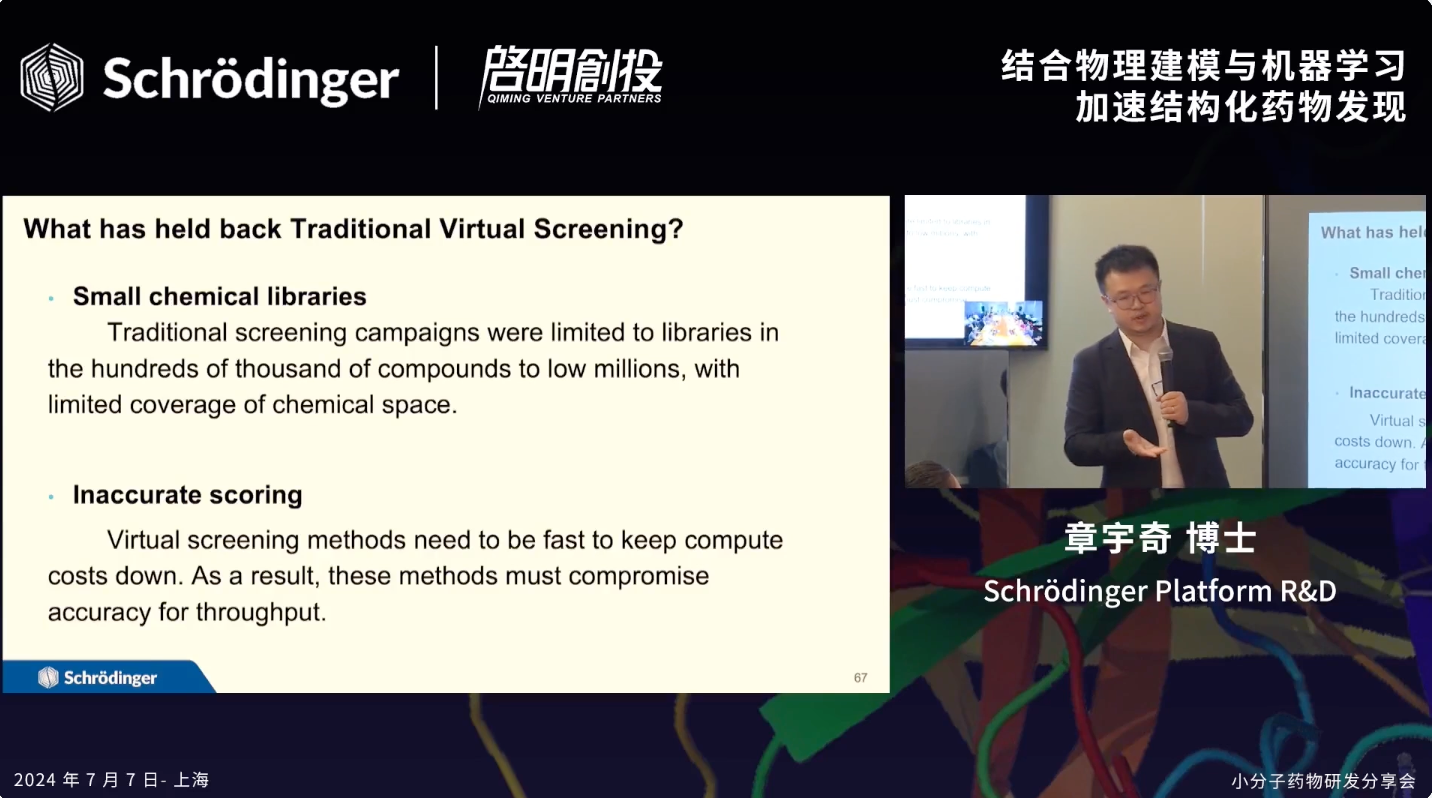
Modern Virtual Screening Technologies 利用薛定谔数字化平台进行现代虚拟筛选

The Predict-First Paradigm: How Digital Chemistry is Shaping the Future of Drug Discovery 预测优先范式: 数字化学如何塑造药物发现的未来

Modern Virtual Screening Technologies 利用薛定谔数字化平台进行现代虚拟筛选

JUL 6, 2024

Modern Virtual Screening Technologies 利用薛定谔数字化平台进行现代虚拟筛选

Gary Zhang, 章宇奇博士

Senior Principal Scientist, Schrödinger

Gary Zhang 是薛定谔对接技术的产品经理,负责提升和扩展薛定谔对接工具(包括 Glide 和 WScore)的性能和适用范围。Gary在杜克大学获得博士学位,专攻生物系统中的电荷转移路径工程。此后,他在斯克里普斯研究所进行博士后研究,专注于改进肽对接技术。

Related Presentations

View presentations from the Summer Qiming Event 2024

The Predict-First Paradigm: How Digital Chemistry is Shaping the Future of Drug Discovery 预测优先范式: 数字化学如何塑造药物发现的未来

From Potential Energy to Free Energy 从势能到自由能–薛定谔的FEP+及物理驱动平台如何革新制药行业的计算药物发现

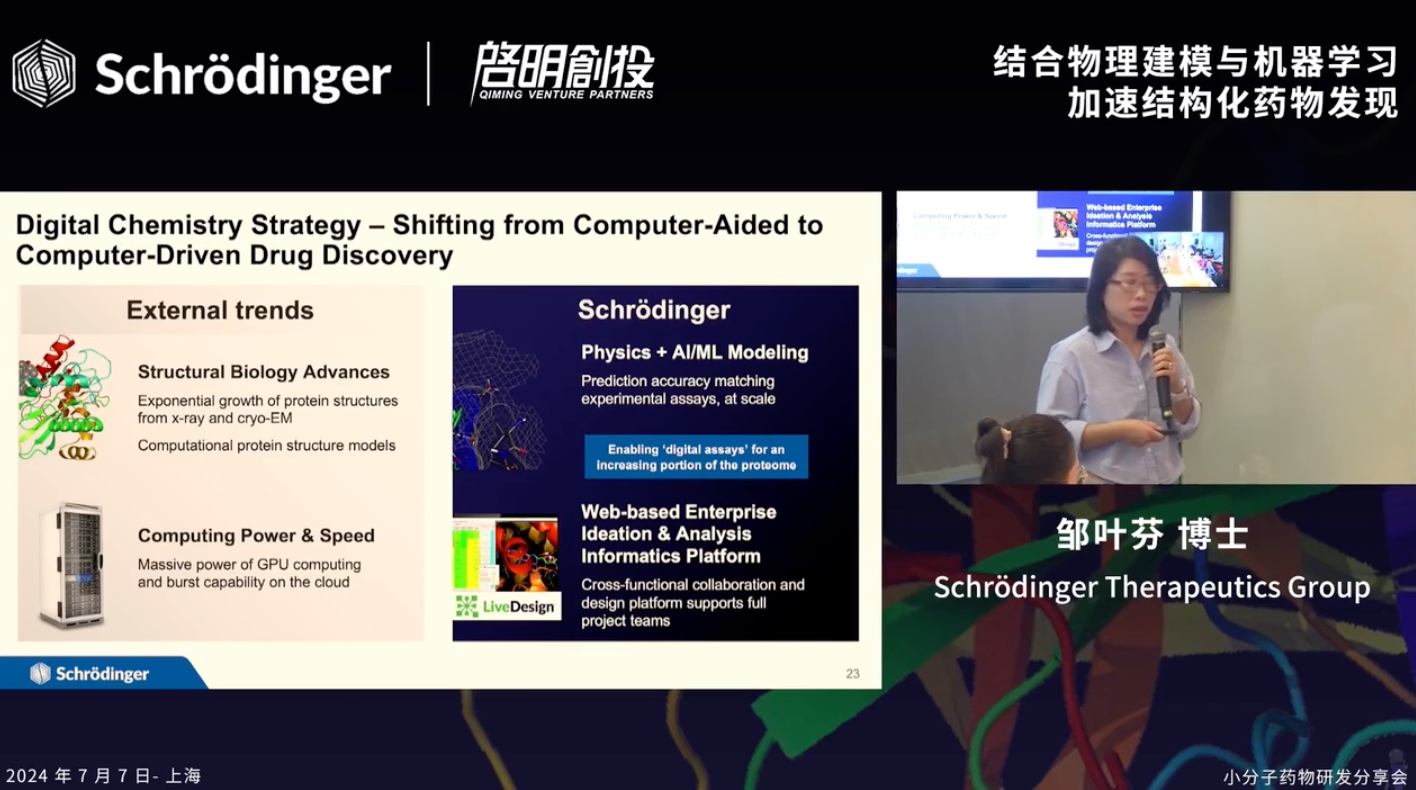
The Predict-First Paradigm: How Digital Chemistry is Shaping the Future of Drug Discovery 预测优先范式: 数字化学如何塑造药物发现的未来

JUL 6, 2024

The Predict-First Paradigm: How Digital Chemistry is Shaping the Future of Drug Discovery 预测优先范式: 数字化学如何塑造药物发现的未来

Yefen Zou, 邹叶芬 博士

Therapeutics Group, Schrödinger

邹叶芬是一位经验丰富的药物化学家,在薛定谔公司工作已有3年。在加入薛定谔之前,她在诺华工作了13年,专注于首创新药(First-in-Class)的发现。作为项目负责人和药物化学家,她领导了从苗头化合物识别到临床候选药物的多个项目。在薛定谔,邹叶芬与计算化学家紧密合作,利用薛定谔的技术平台识别虚拟命中物,从头设计新分子,并优化ADME和整体药物特性,从而成功交付临床候选药物。

Related Presentations

View presentations from the Summer Qiming Event 2024

Modern Virtual Screening Technologies 利用薛定谔数字化平台进行现代虚拟筛选

From Potential Energy to Free Energy 从势能到自由能–薛定谔的FEP+及物理驱动平台如何革新制药行业的计算药物发现

ALD/ALE 2024

Conference

ALD/ALE 2024

CalendarDate & Time
  • August 4th-7th, 2024
LocationLocation
  • Helsinki, Finland

Schrödinger is excited to be participating in the ALD/ALE 2024 conference taking place on August 4th – 7th in Helsinki, Finland. Join us for a presentation by Simon Elliott, Director at Schrödinger, titled “Microkinetic modelling to reveal how the atomic-scale mechanism of deposition or etch plays out at feature and reactor scale.”

Speaker:
Simon Elliott, Director, Schrödinger

Date/Time:
Tuesday, August 6 | 4:45PM

Abstract:
Microkinetic modelling is a technique for determining the turnover of a gas-surface process by solving the coupled kinetic rate equations of its constituent elementary reaction steps [1]. It is widely used in the field of heterogeneous catalysis. Here we present a microkinetic model of the atomic layer deposition (ALD) of alumina from trimethylaluminium (TMA) and water and discuss its utility in investigating growth at macroscopic length and time scales.
We first outline the computational scheme, where elementary steps and their activation energies have been computed with density functional theory (DFT), averaging across a wide variety of geometries. We emphasize the importance of converting the DFT energies to free energies at the temperatures and pressures of interest. The resulting microkinetic model for alumina-on-alumina growth yields measurable quantities (relative growth per cycle and sticking coefficients) as a function of temperature and pressure, which are validated against experiment. For instance, the values of sticking coefficient from the model, s0(TMA)=7×10⁻³ and s0(H2O)= 3×10⁻⁴ at 1 Torr and 300°C, compare well with experiment [2]. Sticking coefficients are crucial inputs for computational fluid dynamics simulations at feature-scale and reactor-scale.
We then show results for how microkinetic modelling can be used in specific scenarios. By adding appropriate elementary steps, the model can reveal the contribution from continuous CVD-style growth under given conditions, or under what conditions ALD can be flipped over into ALE. Alternatively, activation energies can be modified to account for the different chemistry that may exist during nucleation on a substrate, without explicitly modelling any one substrate at the atomic scale. This can be used to test which chemistries are effective in tuning area-selectivity of a process towards various substrates. Finally, we show how a microkinetic model can be used to study the variation of sticking coefficient with pressure and thus account for penetration depth and conformality within high aspect ratio features.
These examples illustrate how existing mechanistic data from atomic-scale DFT can be leveraged in computationally-inexpensive higher-scale models to allow ‘what-if’ experiments to be carried out that link directly to measurements.

Empowering scientists with integrated AI/ML modeling for rapid molecular property predictions

AUG 13, 2024

Empowering scientists with integrated AI/ML modeling for rapid molecular property predictions

AI/ML models are powerful tools for predicting diverse physical and chemical properties of small molecules. However, fine-tuning these models is resource-intensive and challenging to scale for numerous, frequently updated datasets. Automating this process, and ensuring models are re-trained as new data becomes available, enhances the efficiency of using AI/ML models to advance drug discovery programs.

In this webinar, we will present LiveDesign ML, a new module in Schrödinger’s LiveDesign collaborative enterprise informatics platform, for training and deploying state-of-the-art AI/ML models with minimal manual intervention. LiveDesign ML treats datasets as dynamic information feeds that evolve as scientists explore new chemistry to deliver optimized AI/ML models. It provides dynamic, reliable, and rapid molecular property predictions in an interactive design environment, allowing teams to triage newly sketched design ideas or hundreds of thousands of compound ideas in minutes for large library screening.

We will demonstrate use cases of LiveDesign ML through several recent case studies from Schrödinger’s Therapeutics Group where the technology has allowed teams to overcome critical design challenges and advance programs.

Highlights

  • Overview of LiveDesign ML features and user interface
  • Demonstration of LiveDesign ML for AI/ML molecular property predictions using experimental and/or in silico data
  • Ability to triage hundreds of thousands of compound ideas in minutes for large library screening
  • Success stories within Schrödinger’s drug discovery projects

Our Speakers

Jennifer Knight

Director, Schrödinger

Jen Knight is a Director in the Schrödinger Therapeutics Group. She has been at Schrödinger since 2012 and has been a modeling lead on internal projects and collaborations. She specializes in free-energy methods, LiveDesign workflow optimization and machine learning applications.

Zach Kaplan

Senior Principal Scientist, Schrödinger

Zach Kaplan is a senior principal scientist on Schrödinger’s machine learning team. Since 2019, Zach has contributed to the research, development, and application of Schrödinger’s ML tools. He leads the ML Med Chem applications team and is the product manager of Schrödinger’s DeepAutoQSAR and LiveDesign ML. Prior to joining Schrödinger, Zach studied applied mathematics at Brown University.

From Molecules to Optics

From Molecules to Optics

Schrödinger and Ansys Lumerical collaborate on multi-scale simulation solutions to enable the design of next generation OLED devices from nanoscale to macroscale.

Background

The organic light-emitting diode (OLED) stands as an established display technology widely acclaimed for its properties giving rise to use in mobile devices, augmented reality/virtual reality (AR/VR) systems, and automotives. The inherent flexibility of OLED enables the development of foldable devices with enhanced user interactions. Due to increasing demands for more advanced technologies, the OLED industry faces continuing challenges including improving device efficiency, extending device lifetime and consistent color purity, and developing scalable, cost-effective manufacturing techniques. Importantly, the performance of OLED devices is intrinsically tied to both the properties of the materials (e.g. optical, electronic, thermophysical, morphological), and the method of device fabrication. Thus, it is imperative to develop a comprehensive understanding of OLED materials and device architecture to enable innovation in next-generation products.

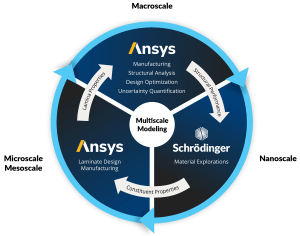
Figure 1: Multiscale modeling to accelerate characterization, design and optimization of high-performance display materials and devices.

In the vast landscape of organic molecules, pinpointing the optimal candidates for optoelectronic materials is akin to finding a needle in a haystack. Relying on trial-and-error approaches proves impractical due to the laborious, expensive, and time-consuming nature of traditional methods. Consequently, there is a pressing need for a paradigm shift in materials discovery to usher in the next generation of OLEDs.

In this white paper, we demonstrate the synergistic application of Schrödinger and Ansys predictive technologies to accelerate characterization, design and optimization of high-performing OLED materials and devices using a multi-scale multi-physics simulation approach. The approach involves employing simulation techniques that span from the molecular level (exploring electronic structure and morphology of the materials) to the nanoscale (examining photonic response). Beyond this, the study extends to the macroscale, encompassing the human perception of the display in realistic lighting conditions. This comprehensive approach allows researchers to gain insight into how materials behave at various scales, facilitating the development of OLED devices that offer improved performance and visual experiences across diverse applications. 

To read the full white paper, fill out the form below:

Designing better packaging materials with a reduced risk of contamination and longer shelf-life using molecular simulations 

Designing better packaging materials with a reduced risk of contamination and longer shelf-life using molecular simulations

Molecular dynamics simulation of plastic contaminant migration in packaging materials and potential leaching into model food fluids

 Executive Summary

  • Built and validated a molecular model that can predict bulk and interfacial penetrant diffusion, as well as enable an understanding of the underlying mechanisms governing these processes
  • Established a modeling procedure to successfully carry out the challenging simulations of migration processes within and from polymer phases
  • Gained valuable insights to complement and rationalize labor- and time-intensive penetrant migration experiments for product developers, regulatory agencies, and manufacturers
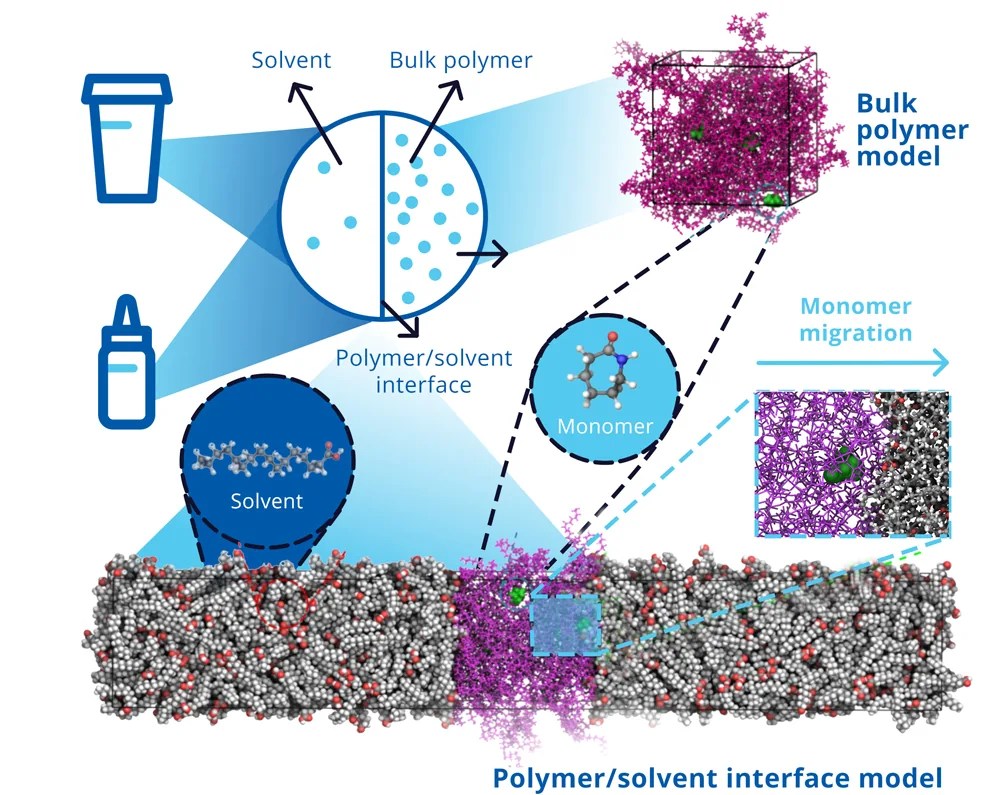
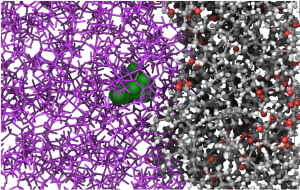
Examples of bulk and interfacial structures employed in the molecular modeling
of penetrant diffusion in polymeric systems.

Approach

In Mileo et al., Schrödinger scientists employed molecular dynamics (MD) simulation using the Schrödinger Materials Science Suite, Desmond MD engine and the OPLS4 force field. The goal of this work was to analyze the transport of monomers in three commercially important, recyclable polymers: polyamide-6 (PA 6), polycarbonate (PC), and poly(methyl-methacrylate) (PMMA). To achieve this, scientists performed the following steps:

  1. Validated bulk polymeric models with respect to properties derived from experimental work 
  2. Verified the predictability of the modeling strategy in reproducing the experimental monomer migration tendencies by employing different solvents to simulate foodstuff
  3. Predicted the monomer migration mechanism in two typical components employed in the food industry (palmitic acid and capric triglyceride)

Conclusion

This work demonstrates how molecular-scale insights can aid the design of safe and functional polymer/formulation interfaces in industry-relevant consumer goods. The methods presented can also be leveraged to understand the risk of contaminants leaching into food or other consumer products, alongside understanding how the product itself can impact the rate of contamination at a barrier interface.

Snapshot obtained from MD simulation displaying the imminent migration of a monomer (methyl methacrylate, in green) from its polymer matrix (polymethyl methacrylate, in purple) towards a palmitic acid formulation.

Publications

  1. Nanoscale Simulation of Plastic Contaminants Migration in Packaging Materials and Potential Leaching into Model Food Fluids

    Mileo PG, et al. Langmuir 2024, 40, 24, 12475–12487

Software and services to meet your organizational needs

Software Platform

Deploy digital materials discovery workflows with a comprehensive and user-friendly platform grounded in physics-based molecular modeling, machine learning, and team collaboration.

Modeling Services

Leverage Schrödinger’s expert computational scientists to assist at key stages in your materials discovery and development process.

Support & Training

Access expert support, educational materials, and training resources designed for both novice and experienced users.

EFMC International Symposium on Medicinal Chemistry

Conference

EFMC International Symposium on Medicinal Chemistry

CalendarDate & Time
  • September 1st-5th, 2024
LocationLocation
  • Rome, Italy

Schrödinger is excited to be participating in the EFMC International Symposium on Medicinal Chemistry taking place on September 1st – 5th in Rome, Italy. Join us for a presentation and workshop by Schrödinger scientists. Stop by booth #60 to speak with Schrödinger scientists.

icon time Monday | 12:30 – 1:15 PM
icon location Room Quirinale
Workshop: Prioritizing DLK Inhibitors for Potency, Selectivity, and Brain-penetration: a Digital Chemistry Design Challenge

Speakers:
Guillaume Paillard, Lead Customer Success Manager, Schrödinger
Jonas Kaindl, Senior Scientist II, Schrödinger

Abstract: In this hands-on workshop, we will use Schrödinger’s LiveDesign platform to design and triage DLK inhibitors using a series of predictive models. We will highlight how LiveDesign can be used to identify and address program challenges as well as predict the various different endpoints to allow for informed synthesis decisions. The workshop will feature the following capabilities:
– Interactive 2D/3D design with Ligand Designer
– Substructure filtering and structurally-aware formulas for labeling subseries
– Use of forms view and plotting to identify correlations between calculated and experimental data points
– Integration of advanced computational methods like E-sol for predicting Kpu,u and FEP+ for predicting binding affinity
– Development of MPO scores for prioritizing synthesis decisions
The workshop will be concluded with a design challenge that is aimed to identify selective and potent inhibitors that match the developed MPO.

icon time Wednesday | 11:45 – 12:05 PM
icon location Auditorium Capitalis
Accelerated In Silico Discovery of SGR-1505: a Potent Malt1 Allosteric Inhibitor for the Treatment of Mature B-cell Malignancies (LE063)

Speaker:
Dr. Michael Trzoss, Principal Scientist, Schrödinger

Abstract: MALT1 (Mucosa-associated lymphoid tissue lymphoma translocation protein 1) is a component of the MALT1-BCL10-CARD11 complex downstream from the Bruton Tyrosine Kinase (BTK) on the B-cell receptor signaling pathway. MALT1 is a key mediator of nuclear factor kappa B (NF-κB) signaling, which is the main driver of a subset of B-cell lymphomas. MALT1 is considered a potential therapeutic target for several subtypes of non-Hodgkin’s B-cell lymphomas and chronic lymphocytic leukemia (CLL), including tumors with acquired BTK inhibitor (BTKi) resistance. Constitutive activation of the NF-κB is a molecular hallmark of activated B cell-like diffuse large B cell lymphoma (ABC-DLBCL), and MALT1 may have utility as a treatment option for ABC-DLBCL. Furthermore, a third-party MALT1 inhibitor recently showed strong anti-tumor activity in mature B cell malignancies from Phase 1 studies.

By applying advanced physics-based modeling techniques, including combining free energy calculations with machine learning methods and chemistry-aware compound enumeration workflow, the team explored extensive sets of de novo design ideas to quickly identify a novel hit series with an in vivo tool molecule to establish an in vivo PD and efficacy mouse model early on in the project. Multi-parameter optimization (MPO) allowed efficient prioritization of molecules with good potency and drug-like properties during lead optimization. This led to the discovery of a highly potent MALT1 inhibitor, SGR-1505, with a well-balanced property profile in under a year, with only 78 compounds synthesized in the lead series and 129 compounds overall. SGR-1505 is a potent and orally available allosteric MALT1 inhibitor. It demonstrated strong anti-tumor activity alone and in combination with BTK inhibitors in multiple in vivo B-cell lymphoma xenograft models. Currently, a Phase 1 clinical trial with SGR-1505 in patients with mature B-cell neoplasms is ongoing (NCT05544019).

Design of a highly selective, allosteric, picomolar TYK2 inhibitor using novel FEP+ strategies

Design of a highly selective, allosteric, picomolar TYK2 inhibitor using novel FEP+ strategies

Computationally-guided, structure-based drug design strategy drives discovery of potentially best-in-class TYK2 inhibitor

First application of large-scale free energy perturbation (FEP+) in drug discovery
Extensive use of a novel physics-based method to predict solubility
First discovery of novel picomolar cores with FEP+
Target
TYK2 kinase
Program Type
Collaborative program, small molecule
Partner
Nimbus Therapeutics
Indication
Inflammatory diseases, psoriasis
Stage
Phase 2b → Phase 3 clinical trial

“Our teams designed, iterated, and optimized leads using next-generation, physics-based technologies, which allowed us to rapidly refine our discovery methodologies. This partnership provided Nimbus with unparalleled computational horsepower and unprecedented FEP+ modeling efforts.”

— Craig Masse
Former Head of Medicinal Chemistry,
Nimbus Therapeutics

Design challenge

JAK/TYK kinases are key signaling molecules in a variety of inflammatory diseases. In psoriasis, for example, inflammation is driven by increased interferon and cytokine release, which is regulated by these JAK/TYK kinases. To date, marketed drugs have targeted the JH1 kinase domain of these multi-domain protein complexes. However, these approved JAK inhibitor drugs have known safety issues related to heart function, clotting, and thrombosis due to non-selective inhibition of other JAK kinases (JAK1, JAK2, JAK3).

Scientists from Nimbus Therapeutics began working on this challenge with the goal of developing a potent and highly selective TYK2 inhibitor that improved clinical activity while avoiding off-target side effects. In 2016, Nimbus and Schrödinger scientists teamed up on the project, first starting by targeting the catalytic JH1 kinase domain and later pivoting to the regulatory domain JH2 based on the release of promising data in the literature.

Targeting the TYK2 JH1 catalytic domain: Breakthroughs in TYK2 selectivity and solubility using large-scale FEP+

The high sequence similarity of TYK2 within the JAK family posed a significant selectivity challenge — the TYK2, JAK1, JAK2, and JAK3 ligand binding sites are practically identical. To design a highly selective and potent molecule that maintains activity while avoiding off-target liabilities, the team used large-scale, physics-based simulations to differentiate the binding between the kinases. First, free energy perturbation calculations using FEP+ were used to predict the potency on-target on TYK2, as well as to predict the potency off-target on JAK2 and JAK3.1 Next, the team introduced a novel approach for predicting aqueous solubility using absolute FEP+ in order to address ADME properties during modeling.2

With these modeling approaches in hand, the next turning point in the program was the development of a large-scale FEP+ scoring campaign to tackle this multiparameter optimization (MPO) challenge. The team leveraged extensive medicinal chemistry and modeling expertise to enumerate 4,000 high-quality idea molecules, all of which had passed preliminary triage through MM-GBSA and physical property filters.3 Then FEP+ was used to score the potency, selectivity, and solubility of the molecules (Figure 1). Accomplishing this large scale application of FEP+ scoring required deploying FEP+ to cloud computing resources at scale, which since this initial effort has become a commonly used approach. Ultimately, 46 molecules were prioritized on the basis of the FEP+ calculations for synthesis, and 9 of these molecules were found to meet potency, selectivity, and solubility criteria of the project in later experimental testing. This resulted in a development candidate targeting the TYK2 JH1 domain that was highly selective against JAK2 and moderately selective against JAK1 and JAK3.

Pivot to TYK2 JH2 allosteric domain enabled by FEP+ de novo core design and virtual screening

Around the same time, new research from scientists at Bristol Myers Squibb confirmed that highly selective TYK2 inhibitors could be achieved by targeting the JH2 allosteric site.4 The project team made the important decision to pivot — changing their focus to developing a TYK2 inhibitor targeting the JH2 regulatory domain. This biological validation along with the deep structural enablement available for TYK2 and the JAK family member pseudokinase domains provided the team with an opportunity to engage in a multi-pronged, structure-based design strategy. 

FEP+ was used to guide compound design strategies with de novo core exploration resulting in the identification of the pyrrazolono-pyridine and pyridino-imidazole cores, which displayed promising potency and domain selectivity but were hindered by several ADME liabilities (Figure 2).5 A large-scale structure-based virtual screen enabled screening of 2.4M commercially available compounds against an ensemble of receptor models based on known JH2 crystal structures from the PDB using Glide followed by WScore — resulting in three structurally distinct hit classes (Figure 2).5 Each hit displayed some promising level of JH2 affinity, but the pyrazolo-pyrimidine core was chosen for further exploration based on its steric and electronic similarity to the imidazopyridazine core published by BMS. These structure-based design efforts allowed the team to identify multiple picomolar JH2 scaffolds from these hits in a period of 3 months. 

In order to progress these hits, the team again employed an MPO paradigm with large scale modeling, this time in two stages. First, quick modeling of physicochemical properties, as well as passive permeability, was performed to ensure the compounds progressed to resource intensive FEP+ models and synthesis would stay in a reasonable chemical space. Second, compounds were put through rigorous FEP+ potency predictions — targeting picomolar potency. All models and MPOs were collected in LiveDesign, Schrödinger’s cloud-based enterprise informatics platform, within different LiveReports for different design objectives which the team would review together. Using this MPO strategy, the team carried out parallel ligand FEP+ modeling against TYK2 JH2 as well as other JAK family kinase domains in order to design analogs with high JH2 affinity and JAK family domain selectivity. 

Within two years of pivoting to the allosteric TYK2 program, the team had declared a development candidate. NDI-034858 is a picomolar inhibitor tuned precisely to target the JH2 domain of TYK2, as shown by its exquisitely clean selectivity profile (Figure 3). 

In November 2022, Nimbus reported positive topline results for once-daily, oral dosing with NDI-034858 in Phase 2b clinical trials.6 Furthermore, by February 2023 Takeda had acquired the program.7 Now referred to as TAK-279, this highly selective, oral TKY2 inhibitor has best-in-class potential among allosteric inhibitors for treatment of psoriasis, as well as multiple other immune-mediated diseases.8 

Figure 3: NDI-034858 (TAK-279) in vitro potency and off-target selectivity.

Enabling digital technologies to drive discovery programs

FEP+

High-performance free energy calculations for large-scale prediction of potency, selectivity, and solubility

Glide

Highly versatile, industry-leading ligand-receptor docking solution

WScore

Advanced docking and scoring solution powered by water network analysis

LiveDesign

Collaborative enterprise informatics platform for centralizing access to virtual and wet lab project data and powerful computational predictions

References

  1. Advancing drug discovery through enhanced free energy calculations.

    Abel et al. Acc. Chem. Res. 2017, 50, 7, 1625–1632.

  2. Potent and selective TYK2-JH1 inhibitors highly efficacious in rodent model of psoriasis.

    Leit et al. Bioorg. Med. Chem. Lett. 2022 Oct 1, 73,128891.

  3. Accelerating drug discovery through tight integration of expert molecular design and predictive scoring.

    Abel et al. Curr. Opin. Struct. Biol. 2017 Apr, 43, 38-44.

  4. Tyrosine kinase 2-mediated signal transduction in T lymphocytes Is blocked by pharmacological stabilization of its pseudokinase domain.

    Tokarski et al. J Biol Chem. 2015 Apr 24, 290(17), 11061-74; Identification of imidazo[1,2-b]pyridazine TYK2 pseudokinase ligands as potent and selective allosteric inhibitors of TYK2 signalling. Moslin et al. MedChemComm. 2016 Dec 15, 8(4), 700-712.

  5. Discovery of a potent and selective tyrosine kinase 2 inhibitor: TAK-279.

    Leit et al. J. Med. Chem. 2023, 66, 15, 10473–10496.

  6. Nimbus Therapeutics announces positive topline results for phase 2b clinical trial of allosteric TYK2 inhibitor in psoriasis.

    Nimbus Therapeutics. 2022.

  7. Takeda completes acquisition of Nimbus Therapeutics’ TYK2 program subsidiary.

    Takeda. 2023.

  8. Takeda announces positive results in phase 2b study of investigational TAK-279, an oral, once-daily TYK2 inhibitor, in people with moderate-to-severe plaque psoriasis.

    Takeda. 2023.

Software and services to meet your organizational needs

Industry-Leading Software Platform

Deploy digital drug discovery workflows using a comprehensive and user-friendly platform for molecular modeling, design, and collaboration.

Modeling Services

Leverage Schrödinger’s team of expert computational scientists to advance your projects through key stages in the drug discovery process.

Scientific and Technical Support

Access expert support, educational materials, and training resources designed for both novice and experienced users.