Bunsen

Meet your AI co-scientist

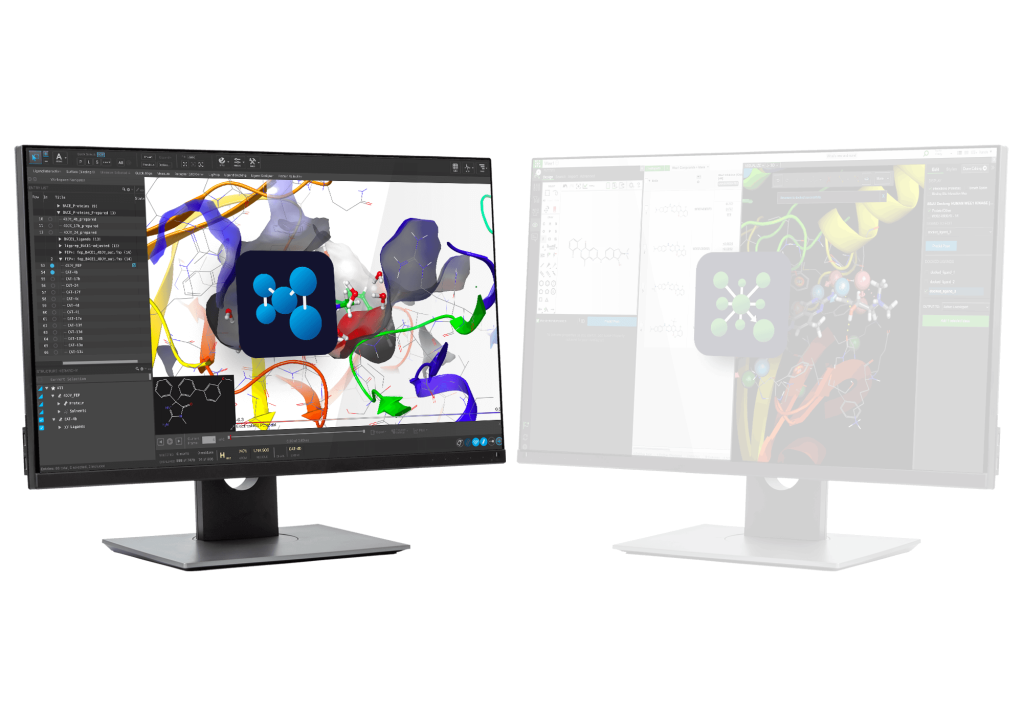
Bunsen autonomously executes complex discovery workflows, allowing you to focus on the breakthroughs that matter. We’re launching an early-access version this summer.

Sign up to join the waitlist and be the first to bring agentic AI to your molecular discovery pipeline.


Bunsen

Bunsen

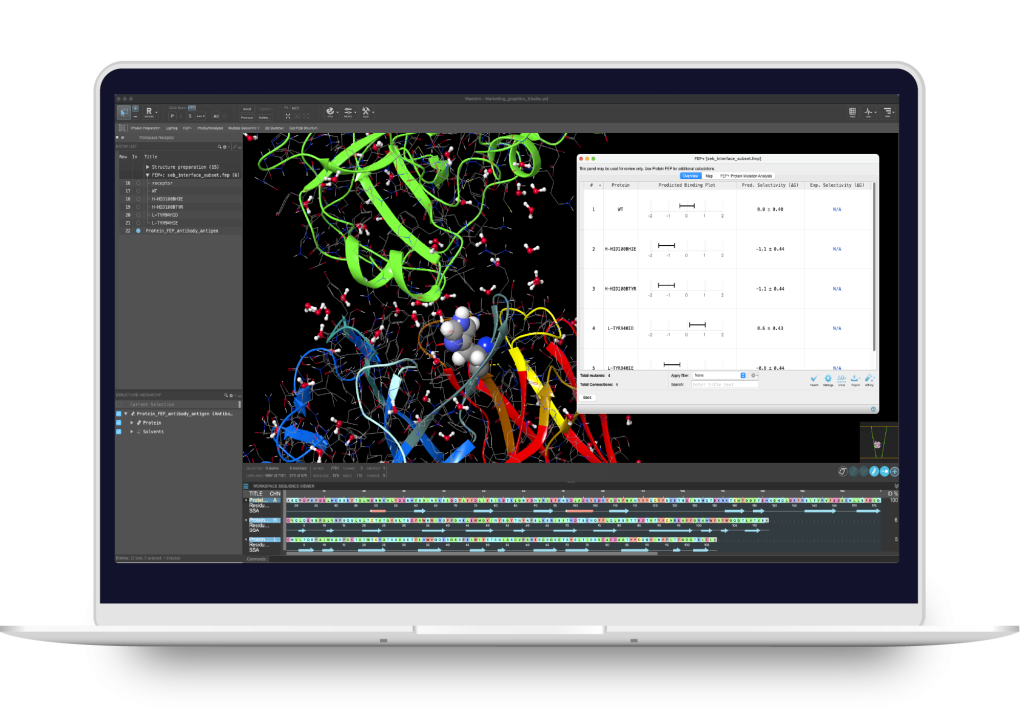
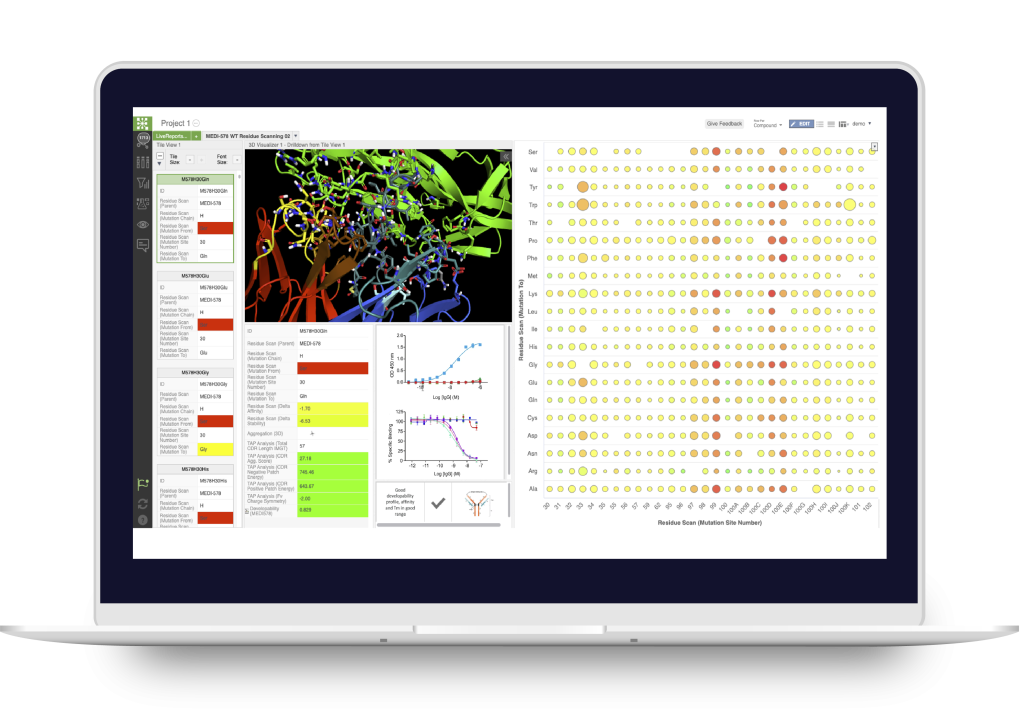
Your agentic co-scientist, complete with Schrödinger’s best practices, forged directly into a seamless, chemistry-native interface. Bunsen empowers you to expand, refine, and execute at the highest level.

Where validated physics meets AI

Deep integration across the entire Schrödinger platform

End-to-end autonomous, multi-stage workflows

Bunsen strings together complex pipelines, submits and monitors jobs, and self-corrects in real time to keep your projects running


Join the waitlist

Pre-loaded with expert digital chemistry knowledge, Bunsen extends the reach of Schrödinger’s software suite directly your hands to truly scale your scientific impact.

Sign up to join the waitlist and be the first to bring agentic AI to your molecular discovery pipeline.

Bunsen FAQ

What is Bunsen?

Bunsen is an AI co-scientist built directly on the Schrödinger platform. It lets you describe a scientific goal in natural language and translates it into a validated computational workflow

What can I do with Bunsen?

Bunsen spans the full range of Schrödinger workflows. You can prepare protein structures, run docking campaigns, set up FEP+ calculations, design novel molecules with AutoDesigner, run molecular dynamics simulations, predict ADMET properties, query scientific databases, and much more — all from a single conversational interface.
Does Bunsen support my scientific domain?

Yes. Bunsen includes curated skills, tools, and chemistry-specific context across small molecule drug discovery, biologics engineering, materials science, and enterprise informatics.
What makes Bunsen different from other AI tools?

Bunsen is purpose-built for computational chemistry and executes real calculations using Schrödinger’s validated physics on your infrastructure.

How does Bunsen handle my proprietary data?

Bunsen is deployed as a dedicated, single-tenant instance for your organization. Your structures, results, and session data remain entirely within your infrastructure, we never train on your data.

Does Bunsen replace my existing Schrödinger tools?

No. Bunsen works on top of your existing Schrödinger platform. It orchestrates the same tools you already use — FEP+, Glide, Jaguar, Desmond, AutoDesigner, and others — through a conversational interface.

When will Bunsen be generally available?

Bunsen is currently in closed beta with select discovery teams. We are actively expanding access in the coming months. Contact your Schrödinger Account Manager to learn more about availability for your organization.

How do I get access to Bunsen?

Reach out to your Schrödinger Account Manager to discuss early access. They can walk you through how Bunsen fits your team’s workflows and infrastructure.

Is Bunsen adding new capabilities?

Yes. New expert skills are being added continuously across all supported domains. The Bunsen team works closely with Schrödinger’s scientific development groups to expand coverage as new platform capabilities ship.

MS DeNovoML

MS DeNovoML

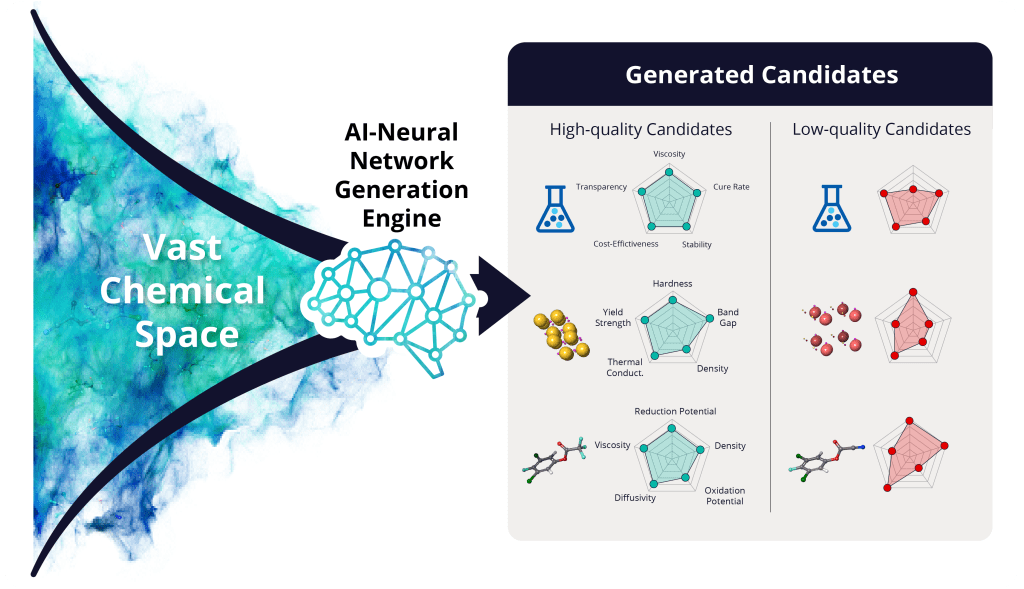
A generative AI interface for autonomous molecular design to accelerate the discovery of next-generation materials with optimized performance profiles

MS DeNovoML uses state-of-the-art generative AI to autonomously produce novel molecular structures optimized for specific performance criteria and material properties. The platform provides a streamlined graphical environment, enabling scientists to navigate complex chemical spaces and balance multiple design objectives, including incorporating predictive DeepAutoQSAR models and enforcing physical constraints such as molecular weight and chemical composition.

DeNovoML effectively bridges the gap between high-level generative modeling and practical materials science, delivering AI-driven property optimization and design exploration to users at all levels.

background pattern

Key Capabilities

GUI-powered REINVENT integration

that transforms the REINVENT generative engine into an accessible, panel-based workflow for code-free molecular and materials design

Seamless DeepAutoQSAR model support

to plug in custom-trained predictive models that provide real-time scoring of generated molecules against target properties

Granular structural and property filters

to enforce essential boundaries on molecular weight, molecular descriptors, and specific chemical features to ensure candidates meet project specifications

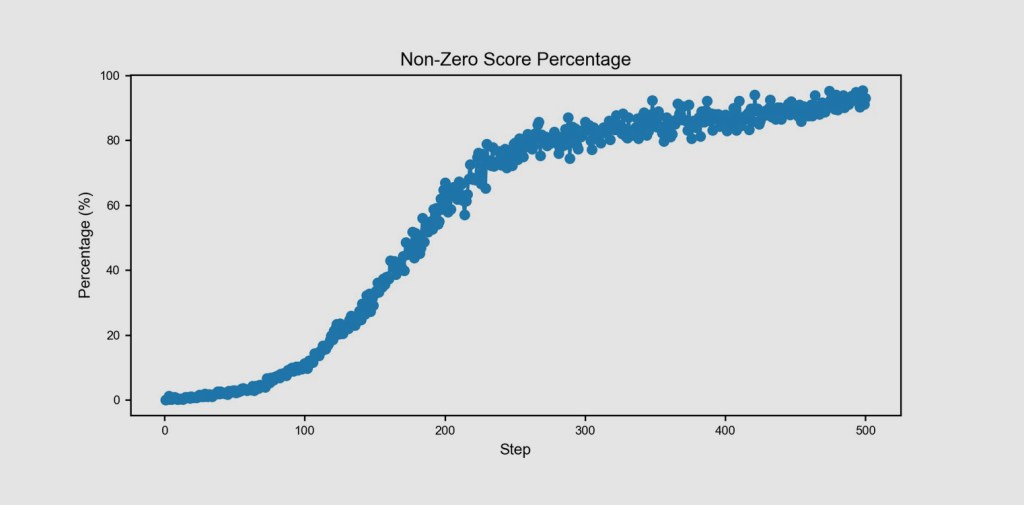
Autonomous molecular generation using reinforcement learning

to explore vast chemical spaces and generate high-quality candidates that satisfy precise functional requirements

Broad applications across materials science research areas

Tutorial

REINVENT for designing novel heat transfer fluids

Related Product

DeepAutoQSAR

Automated, scalable solution for the training and application of predictive machine learning models

MS Informatics

Automated machine learning tools for materials science applications

Schedule a demo on MS DeNovoML

Form submitted

Thank you, we’ll be in touch soon.

Software and services to meet your organizational needs

Software Platform

Deploy digital materials discovery workflows with a comprehensive and user-friendly platform grounded in physics-based molecular modeling, machine learning, and team collaboration.

Research Services

Leverage Schrödinger’s expert computational scientists to assist at key stages in your materials discovery and development process.

Support & Training

Access expert support, educational materials, and training resources designed for both novice and experienced users.

MS DefectPro

MS DefectPro

Calculate electronic and structural properties of point defects in solid state materials
MS DefectPro

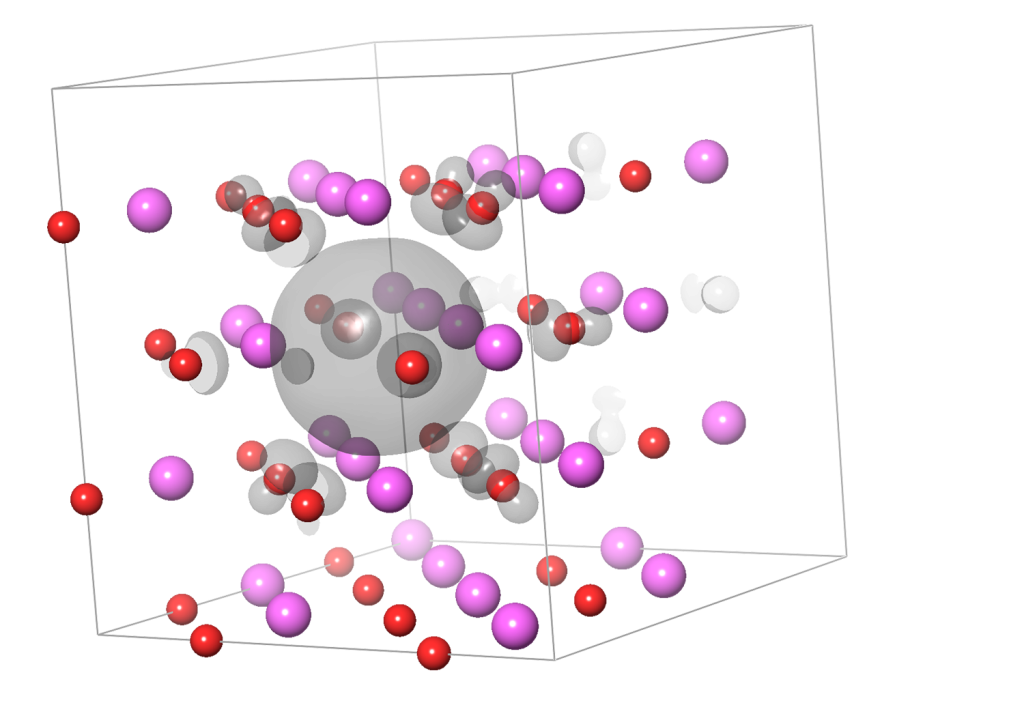
Point defects, such as vacancies, substitutions, interstitials, and antisites can – even at low concentrations – significantly impact the electronic, optical, structural, and mechanical properties of crystals. Therefore, predicting defect concentrations and understanding which defect types are predominant are crucial in solid state materials science. MS DefectPro provides a comprehensive platform for predicting defect formation energies and related properties.

Key Capabilities

Build atomistic structures of point defects such as vacancies, substitutions, interstitials, and antisites within a known crystal structure

Calculate defect formation energy with Density Functional Theory as a function of charge state and chemical potential, including correction energy for charged defects

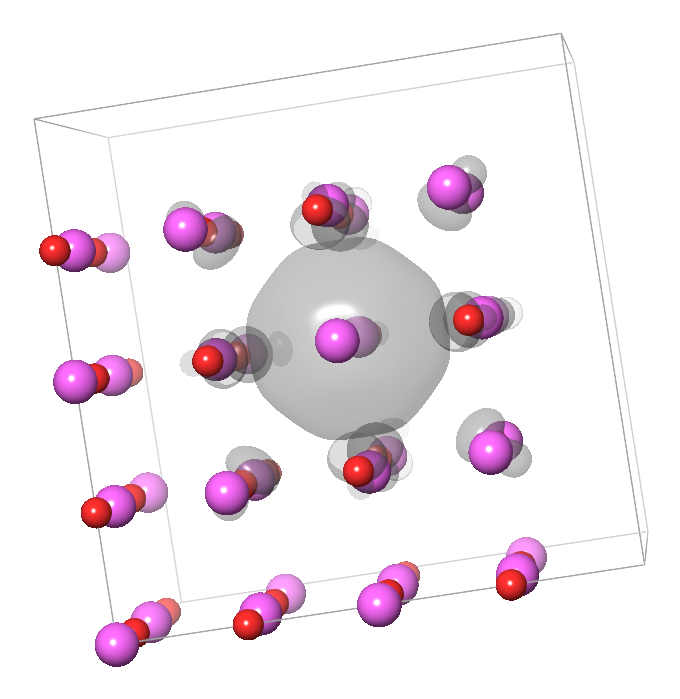
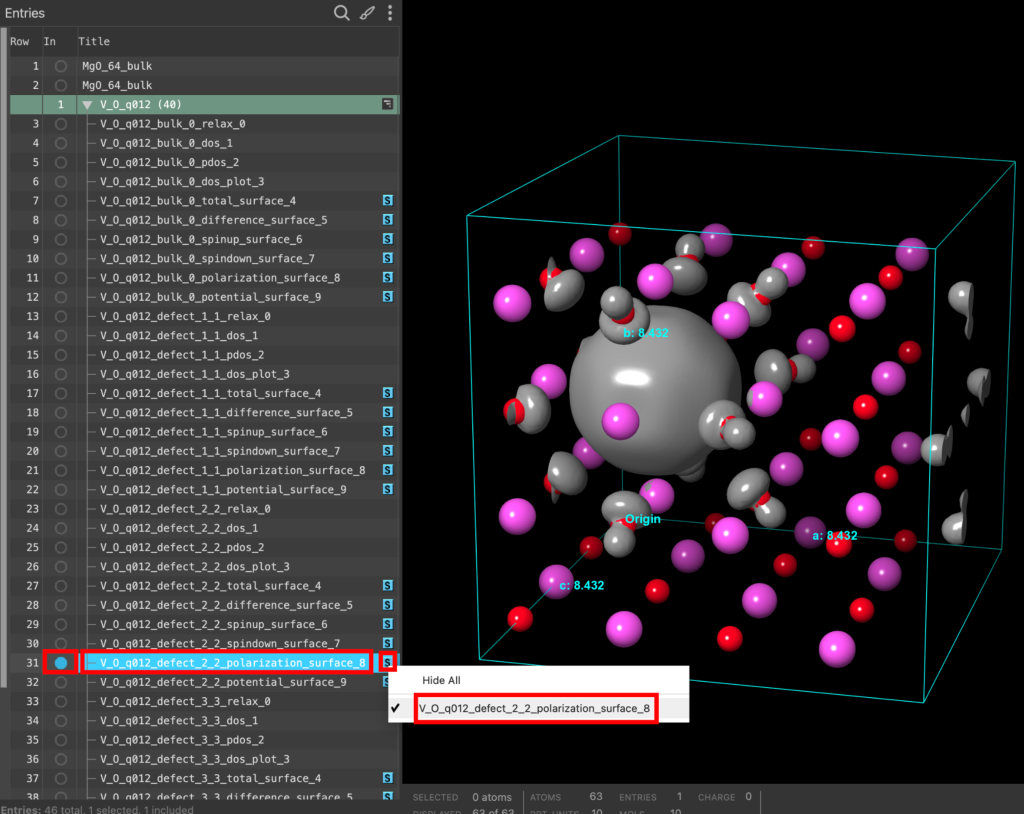
Visualize defect formation energies, charge distribution, and spin density

Broad applications across materials science research areas:

Tutorial

In this tutorial, we will learn how to generate point defects and how to calculate their defect formation energy, which includes a correction term for charged defects. Additionally, we will have a brief look at the density of states and the projected density of states.

Related Product

MS Maestro

Complete modeling environment for your materials discovery

Quantum ESPRESSO Interface

Integrated graphical user interface for nanoscale quantum mechanical simulations

Schedule a demo on MS DefectPro

Form submitted

Thank you, we’ll be in touch soon.

Software and services to meet your organizational needs

Software Platform

Deploy digital materials discovery workflows with a comprehensive and user-friendly platform grounded in physics-based molecular modeling, machine learning, and team collaboration.

Research Services

Leverage Schrödinger’s expert computational scientists to assist at key stages in your materials discovery and development process.

Support & Training

Access expert support, educational materials, and training resources designed for both novice and experienced users.

Predictive Tox

Predictive Tox

Stop guessing at tox — start designing around it

Late-stage discovery failures due to hERG, CYP, or nuclear receptor liabilities cost teams months of chemistry cycles and millions in downstream assays. Schrödinger’s Predictive Tox Solution enables early, physics-based identification and rational mitigation of tox liabilities — before they derail your program.

Don't just flag off-targets — leverage atomic structural models to design out the liability

3X

Cost savings

10X

Faster to fit into your DMTA cycles

1 day

In silico screening results

Rethink how you address tox liabilities

More than just binary predictions

Move beyond pass/fail with actionable, comprehensive readouts in a single day to supercharge your design process in lead optimization

De-risk from the get-go

Rapidly dial out liabilities with atom-level toxicity attribution required to not just fix a compound, but to design the superior compound from the start

A closer look at Schrödinger’s Predictive Tox solution

Best-in-class predictive models (FEP+ and IFD-MD)

Rationalize structure activity relationship (SAR) to effectively dial-out known liabilities

Avoid de-railing, or worse, abandoning your programs with predictions you can trust

Actionable, comprehensive readouts in 24hrs

Atom-level attribution and affinity data to move beyond traditional binary reports

Reduce evaluation time from weeks to a single day, while gaining guidance to address each liability

No complex setup and deployment

A credit-based SaaS cloud solution for immediate project impact

Simply upload your ligands and click “submit” to screen virtual compounds

Schedule a demo with predictive tox solutions

Start screening off-targets with computational predictive models—contact us today to discuss how you can start using Schrödinger’s solutions on your programs.

Don’t see your off-target of interest in the current lists above? Reach out so we can help.

Form submitted

Thank you, we’ll be in touch soon.

RetroSynth

RetroSynth

From design to synthesis, faster and cheaper
RetroSynth is the AI-driven synthesis planning platform engineered to rapidly predict optimal, highly accurate, and cost-efficient synthetic pathways that accelerate your lead optimization at a fraction of the time and cost.
RetroSynth

Designing the best molecule is just the first step, we give you the keys to synthesizing it*

5X

Savings on synthesis cost

5X

Faster synthesis turnaround time

4X

Faster DMTA cycles

Query billions of building blocks

Tap into real-time building block intelligence delivering tractable routes based on the availability of internal and commercial precursors

Predict and identify actionable routes

Accurately generate and score thousands of optimal, plausible routes to deliver the most optimal synthetic routes directly to the bench

Identify reliable, short, and efficient synthesis routes

Eliminate the bottleneck of manual route planning and dramatically reduce project spend by minimizing the need for expensive, multi-stage custom synthesis

Accelerated go/no-go decisions

Only invest resources in compounds with the highest probability of successful synthesis by using AI-powered forward reaction verification

Discover the benefits of RetroSynth

Accurate route planning

AI-powered forward reaction verification coupled with in-house custom scoring

Ensures that every suggested route is plausible and bench-ready

Real-time building block intelligence

Query billions of building blocks in real-time

Actionable routes based on the immediate availability of internal and commercial precursors

Massive scale and performance

Distributed cloud-native MCTS architecture and Kubernetes infrastructure allow you to complete 100,000+ ideas in 24 hours at a low compute cost

Rapid exploration of ultra-large chemical spaces without sacrificing accuracy

Reach out to see the AI advantage in action

Training & Resources

Online certification courses

Level up your skill set with hands-on, online molecular modeling courses. These self-paced courses cover a range of scientific topics and include access to Schrödinger software and support.

Tutorials

Learn how to deploy the technology and best practices of Schrödinger software for your project success. Find training resources, tutorials, quick start guides, videos, and more.

*Data from active internal Schrödinger’s therapeutics group discovery programs

LiveDesign ML

LiveDesign ML

Your ML co-pilot, where your data becomes your design
LiveDesign ML

Seamless ML model integration to transform your data into confident, actionable insights

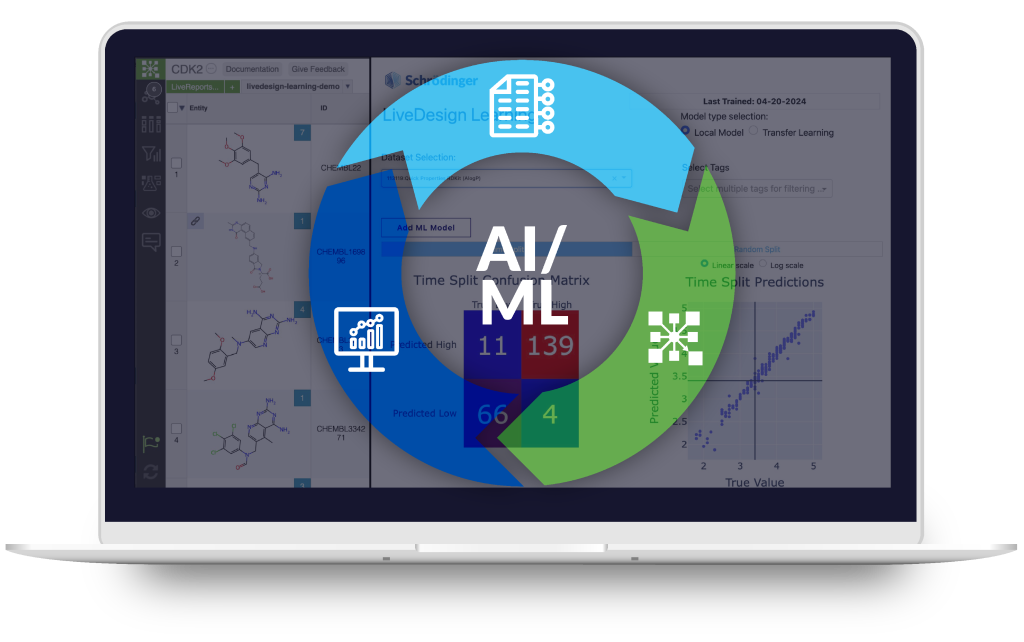
LiveDesign ML is your complete, centralized solution for deploying and maintaining advanced machine learning models to accelerate and guide drug discovery programs. Acting as your ML co-pilot, it democratizes AI/ML model generation with a fully automated, high-throughput workflow and provides a seamless and effortless way to build, validate, and deploy models for critical tasks. By integrating directly into your central design platform, LiveDesign ML ensures your team always has access to the most accurate, scalable predictions without the burden of complex model deployment or maintenance.


Future-proof your ML-augmented projects

  • High throughput & scalable Benefit from modern cloud infrastructure to model hundreds of properties and make millions of predictions.
  • Impactful predictions Stay current with automated model re-training and optimization to ensure the most predictive model relevant to your evolving chemistry is always available.
  • Comprehensive property profiling Access advanced capabilities to rapidly profile, filter, and prioritize compounds across all discovery programs.
  • Integrated synthetic accessibility Streamline your design-make-test cycle with Retrosynth predictions to ensure molecules are synthetically viable before they are made.

Set it and forget it, ML models made accessible and comprehensive for all

  • Your ML co-pilot Democratize AI/ML model generation with a fully automated workflow—just input your data and get the best-tuned model.
  • Effortless deployment Get a turnkey solution that is integrated directly into your centralized data repository, eliminating complex deployment and maintenance headaches.
  • Not an AI blackbox Simple dashboard visualizations and performance metrics provide full transparency, allowing your team to deploy models prospectively with confidence.

Key Features

RetroSynth

AI-driven tool that helps you move from complex chemical targets to actionable synthesis plans accurately and efficiently by performing highly exhaustive searches to predict and score optimal, scalable, and cost-efficient synthetic pathways.

Chemical property prediction

ML-powered engine that helps you prioritize the most promising leads by training custom machine learning models on your chemical data to accurately forecast the physical and chemical profiles of novel molecular structures.

TuneLabTM

TuneLabTM is a collaborative platform created to offer access to AI/ML tools leveraging Lilly’s own drug discovery models.

Schedule a demo: See the AI advantage in action

Case studies and resources

Discover how Schrödinger technology is being used to solve real-world research challenges

LiveDesign ML Flyer

Complete solution for rapid AI/ML molecular property predictions

Webinar

Empowering scientists with integrated AI/ML modeling for rapid molecular property predictions

White Paper

Benchmark study of DeepAutoQSAR, ChemProp, and DeepPurpose on the ADMET subset of the Therapeutic Data Commons

Related Products

LiveDesign

Your complete digital molecular design lab

DeepAutoQSAR

Automated, scalable solution for the training and application of predictive machine learning models

RetroSynth

Breaking the synthesis bottleneck with AI and physics-based modeling

Training & Resources

Online certification courses

Level up your skill set with hands-on, online molecular modeling courses. These self-paced courses cover a range of scientific topics and include access to Schrödinger software and support.

Tutorials

Learn how to deploy the technology and best practices of Schrödinger software for your project success. Find training resources, tutorials, quick start guides, videos, and more.

Maestro + LiveDesign Bundle

Starter Platform: Implementing Digital Drug Discovery

Your integrated design, model, and collaborate package to quickly start your drug discovery program with Maestro and LiveDesign
Starter Platform: Implementing Digital Drug Discovery

Empower digital discovery across entire project teams

Maestro+LiveDesign offers industry-leading computational modeling tools in a flexible, cloud-native working environment for your entire discovery team — spanning both small and large molecule research. Streamline workflows with centralized access to all project data (experiment and in silico predictions), cutting-edge computational modeling tools, and collaborative decision-making technology — all in a single interface.

background pattern

Featured Webinar

  • Life Science
  • Webinar

Building a biotech: Enabling a successful digital drug discovery program with a connected platform

  • calendar icon Date & Time: February 26th, 2026 | 11:00AM EST
  • location icon Location: Virtual
Register Now

This starter platform package includes:

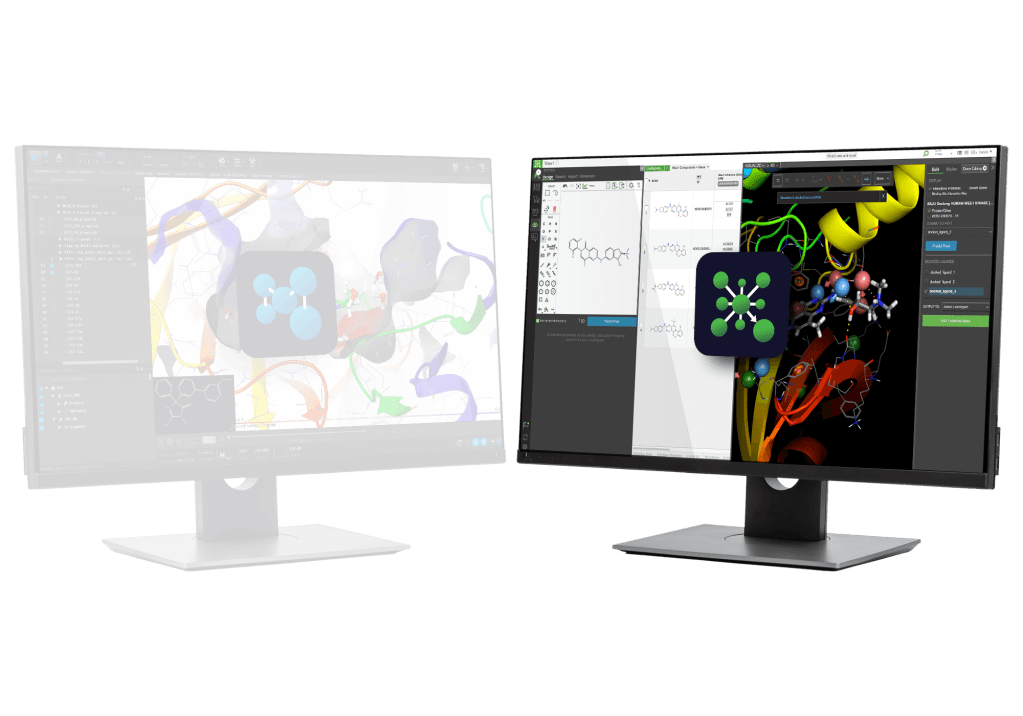
Maestro is Schrödinger’s streamlined portal to access state-of-the-art predictive computational modeling and machine learning workflows for molecular discovery

  • Check greenAI-assisted, intuitive graphical interface to model and interpret molecular interactions
  • Check greenTechnology backed by 30+ years of scientific R&D and validated by thousands of customers
  • Check greenFull stack of capabilities and workflows accessible for users of all experience levels

LiveDesign is the digital platform for modern drug discovery teams – powering collaboration anytime, anywhere

  • Check greenCloud-based enterprise informatics solution to connect all your project data, in silico and experimental, on a single platform
  • Check greenCombine the powers of predictive modeling and real-time data management to drive fewer, faster design cycles
  • Check greenUtilize live data systems to eliminate communication through spreadsheets – streamlining collaboration with colleagues and CRO partners

Work with our team of solutions architects to customize your deployment

  • Check greenCloud-based, SaaS solution built to handle any type of data integration (e.g. compound and assay registration systems)
  • Check greenMultiple different access models (on-prem, virtual clusters) for your organizational needs
  • Check greenSnap-in your own corporate databases and workflows to create a true enterprise platform

Schrödinger provides expert support, educational materials, and training resources designed for both novice and experienced users

  • Check greenAccess interactive consultations and ongoing support from our large teams of application scientists, solutions architects, and customer success managers
  • Check greenLevel up your skillset with hands-on, online molecular modeling training courses available on-demand
Sustainable Food Packaging Designed at the Atomic Level

Platform in action

“Our team was globally distributed across three different companies, and LiveDesign made it feel like we were all operating seamlessly in the same office.”

Empowering Collaborative Medicinal Chemistry with LiveDesign: The Takeda Success Story

Schedule a demo to discuss Schrödinger’s starter platform

Transform your drug discovery program with Maestro and LiveDesign – make industry-leading computational modeling tools available to your entire team.

Form submitted

Thank you, we’ll be in touch soon.

TCR Modeling

TCR Modeling

End-to-end solutions for accurate structure-based TCR modeling
TCR Modeling

The complexity of TCRs requires a modern solution to an age old problem

T-cell receptors (TCRs) are at the heart of the adaptive immune response, making them prime targets for developing powerful T-cell immunotherapies for cancer and other diseases. However, the intricate and diverse nature of TCRs presents significant challenges in drug discovery, including issues with target specificity, affinity, and off-target toxicity. Schrödinger’s TCR modeling solutions are designed to harness computational modeling to overcome the challenges of TCR variability, MHC restriction, and cross-reactivity from sequence to clinical candidate.

background pattern

Benefit from proven principles of structure-based computational methods to enable precise, efficient TCR design

Improve Outcomes

Identify better quality candidates through simultaneous optimization of multiple parameters to facilitate more rapid testing and triaging of ideas

Cut costs

Lower protein optimization costs compared to traditional directed evolution wet lab protocols by running fewer cycles and assaying fewer variants

Save Time

Reduce time-to-results from months to weeks by discarding irrelevant mutations early, as well as quickly generating and iterating through new ideas and follow-up designs

Schrödinger’s TCR modeling solutions at a glance

Dark Background

The TCR challenge

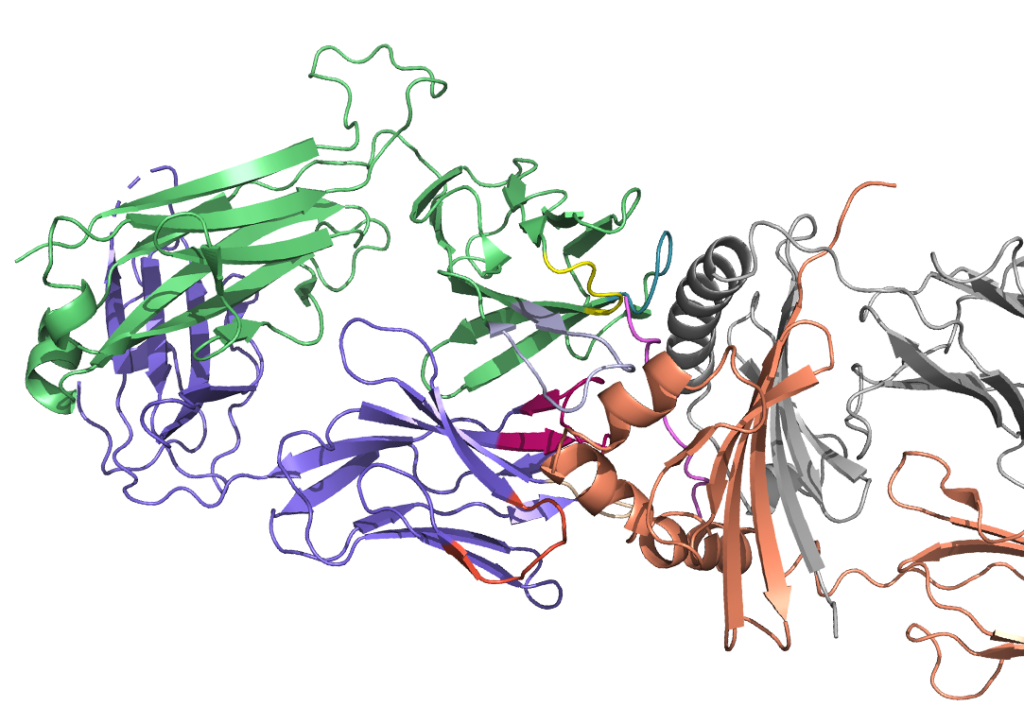
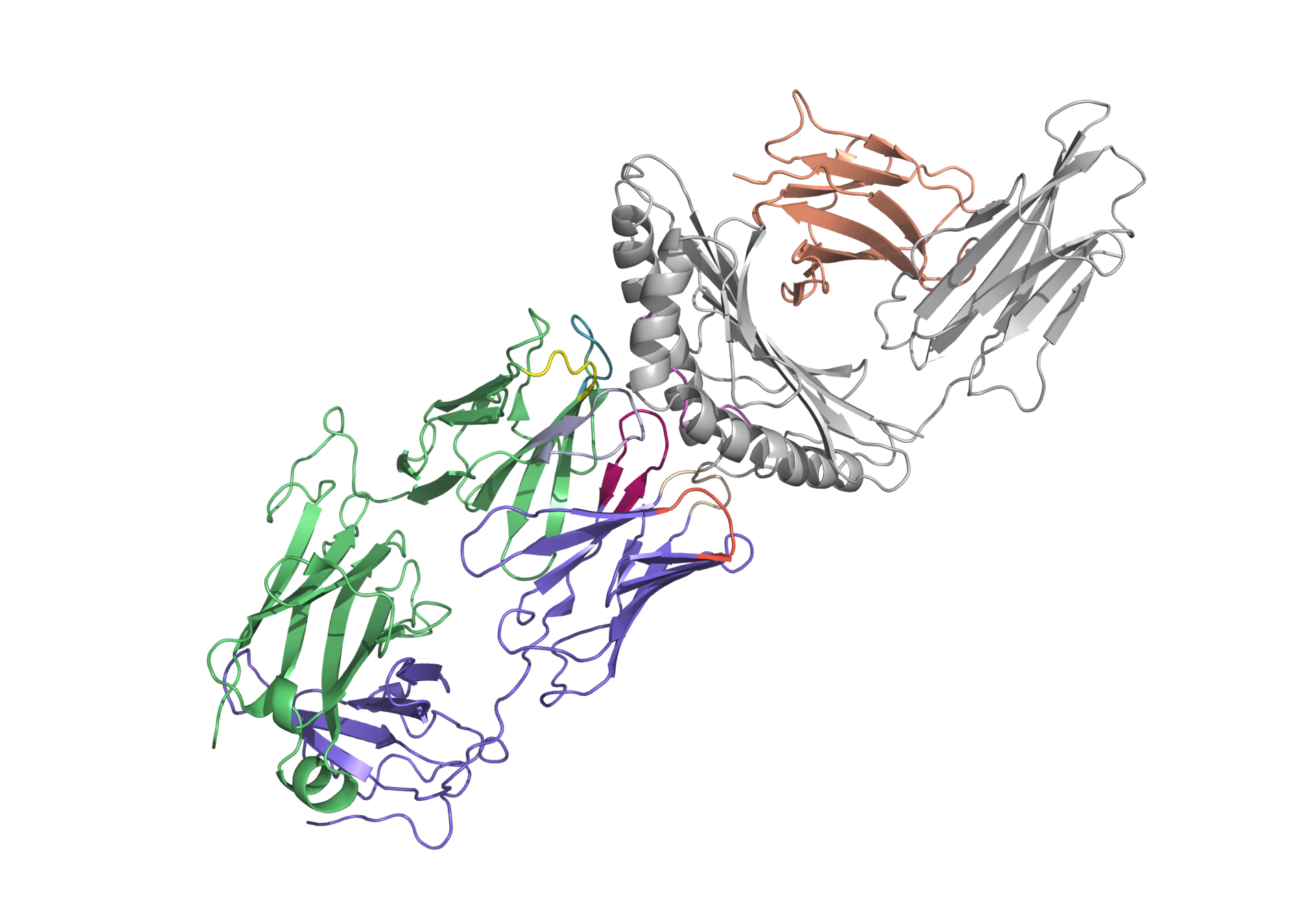
Unlike antibodies, which target surface antigens, TCRs recognize short peptide fragments presented by major histocompatibility complex (MHC) molecules. This mechanism – the pMHC-TCR complex – introduces challenges in three key areas:

Modeling Complexity
The high sequence diversity, conformational flexibility, and specific binding angles of the TCR-MHC interface make accurate structure prediction difficult, particularly for the hypervariable Complementarity Determining Regions (CDRs).
Safety and Specificity
The risk of off-target toxicity and cross-reactivity due to unintended peptide binding is a constant threat, demanding reliable tools to predict and prevent these liabilities early.
Affinity Tuning
Designing an engineered TCR with optimal binding affinity that is potent enough to be effective but balanced enough to avoid triggering severe autoimmunity requires predictive precision.
 

Design high-quality biologics with Schrödinger’s cutting-edge software

BioLuminate


Modeling environment for biologics discovery

LiveDesign


Collaborative digital biologics design and discovery lab

Schedule a demo to discuss TCR modeling

Enable your T-cell receptor program with structure-based computational methods — contact us today to discuss how you can start using Schrödinger’s solutions.

Form submitted

Thank you, we’ll be in touch soon.

Training & Resources

Online certification courses

Level up your skill set with hands-on, online molecular modeling courses. These self-paced courses cover a range of scientific topics and include access to Schrödinger software and support.

Tutorials

Learn how to deploy the technology and best practices of Schrödinger software for your project success. Find training resources, tutorials, quick start guides, videos, and more.

Bifunctional Degrader Solutions

Bifunctional Degrader Solutions

Accurately generate, score and optimize your protein degrader complexes with confidence
Bifunctional Degrader Solutions

Start the rational design of protein degraders using Schrödinger’s comprehensive workflow

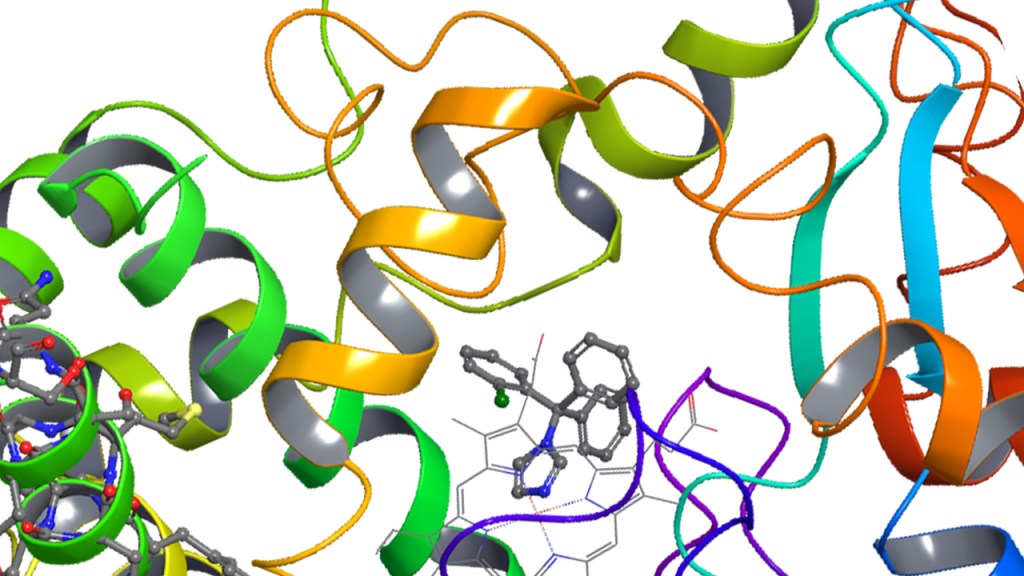
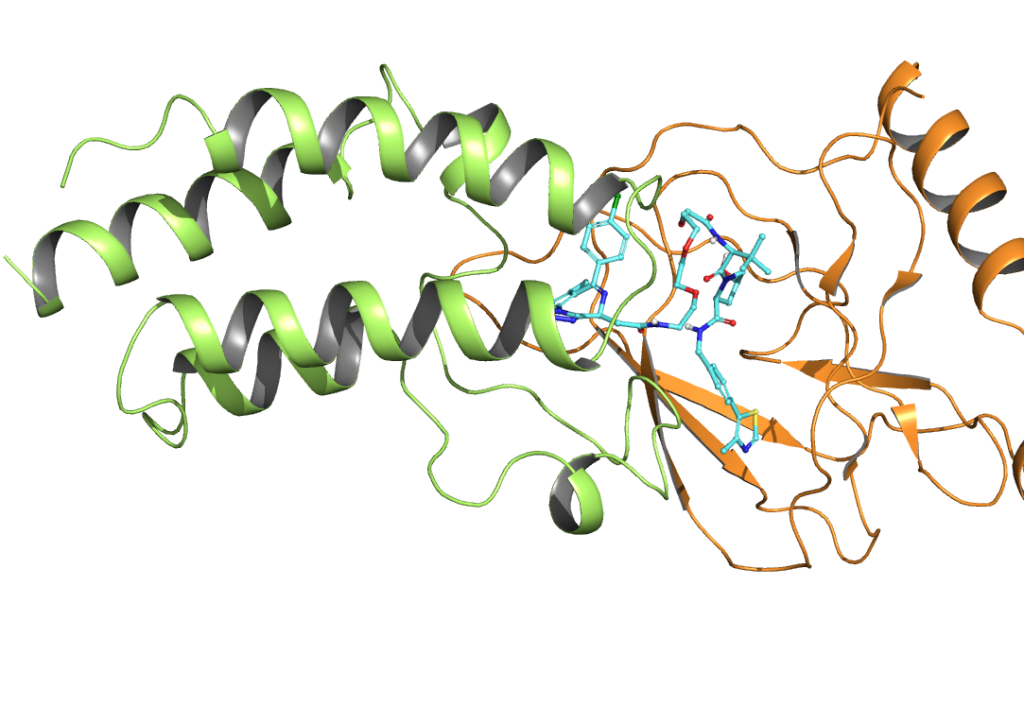
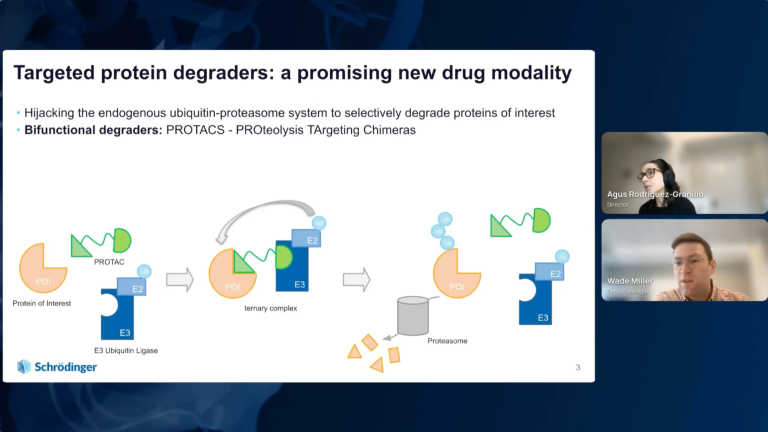
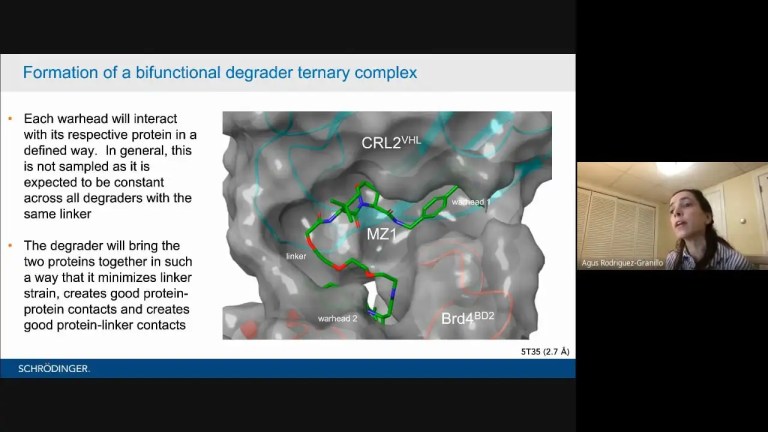
Protein degraders offer a novel mechanism for modulating protein function by leveraging the cell’s natural degradation pathways. The formation of the ternary complex between the protein of interest, the E3 ligase, and the degrader is essential for degradation of the target to occur, although it is not sufficient. Therefore, knowledge of the structure of the ternary complex is highly desirable for rational design of improved degraders. Schrödinger’s Bifunctional Degrader Solutions predict possible ternary complexes and accurately score them to narrow down the models to consider for linker design and degrader optimization.

background pattern

Have confidence in your protein degrader design with structure-based in silico workflows

Accurately score ternary complexes with state-of-the-art scoring functions to focus resources on a select few models

Design superior protein degraders by adopting in silico optimization to improve binding affinity and degrader potency

Enable structure-based rational design via predictive modeling with computational workflows to benefit from a hypothesis-driven design strategy from the outset

Here’s your updated ternary complex structure prediction toolbox

Additional PROTAC Applications and Best Practices

Schrödinger’s FEP+ can be used for target and E3 ligase warhead optimization, for maintaining potency while optimizing properties or exploring linker attachment points and possible exit vectors. Our MD workflow (Desmond) also explores the possible exit vectors of a degrader and allows for accurate sampling.

Bringing it all together on LiveDesign

Streamline the discovery process and accelerate the design-predict-make-test-analyze cycle with LiveDesign:

• Real-time data sharing
• Project management

Schedule a demo to discuss bifunctional degrader solutions

Enable your bifunctional degrader R&D with structure-based rational design — contact us today to discuss how you can start using Schrödinger’s solutions.

Form submitted

Thank you, we’ll be in touch soon.

Training & Resources

Online certification courses

Level up your skill set with hands-on, online molecular modeling courses. These self-paced courses cover a range of scientific topics and include access to Schrödinger software and support.

Tutorials

Learn how to deploy the technology and best practices of Schrödinger software for your project success. Find training resources, tutorials, quick start guides, videos, and more.

MS Complex Bilayer Builder

MS Complex Bilayer Builder

Automatically build realistic membranes with embedded proteins
MS Complex Bilayer Builder

Overview

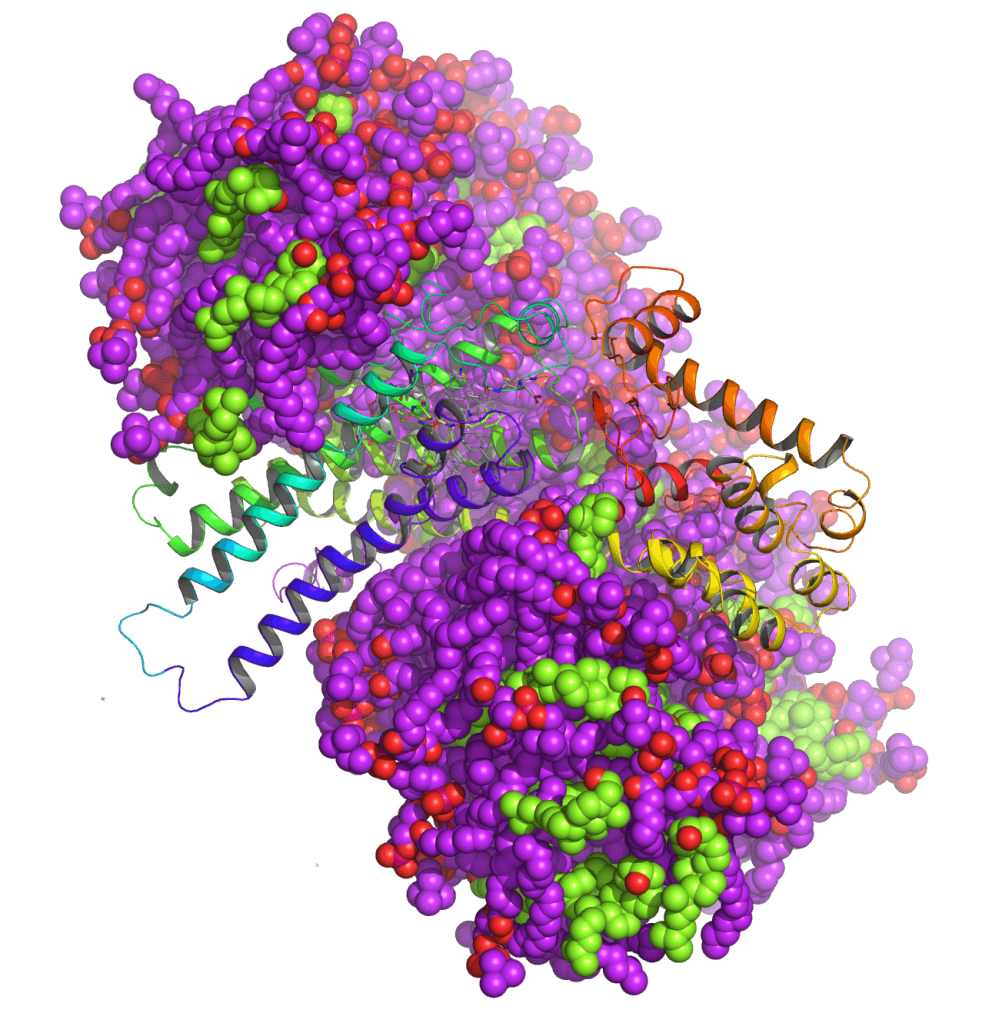
MS Complex Bilayer Builder streamlines system preparation and accelerates your research with automated workflows that build complex, biologically-realistic lipid bilayers with embedded proteins, ready for further molecular dynamics simulations.

background pattern

Benefits

Fast, reliable membrane-protein system construction

Generate lipid bilayers with and without embedded proteins in biologically-realistic environments using automated protocols that minimize setup errors and significantly reduce preparation time

Flexible, customizable workflows

Support a wide range of lipid types, protein orientations, and membrane compositions to suit various biological scenarios and research needs

Cross-platform capability

Seamlessly integrate with multiple simulation engines, ensuring adaptability and reproducibility across diverse computational setups

Broad applications across materials science and life science research areas

Structure Prediction and Target Enablement

Consumer Packaged Goods

Pharmaceutical Formulations & Delivery

Documentation & Tutorials

Get answers to common questions and learn best practices for using Schrödinger’s software.

Materials Science Tutorial

Building and Analyzing a Complex Lipid Bilayer and Embedding a Membrane Protein

Learn to build and analyze a complex lipid bilayer and how to embedd a protein.

Materials Science Documentation

Complex Bilayer Builder Panel

Build single or multi-component lipid membranes with or without an embedded membrane protein.

Materials Science Documentation

Membrane Analysis Panel

Calculate structural properties for a lipid membrane over the selected frames of a trajectory.

Materials Science Documentation

Membrane Analysis Viewer Panel

View plots of the structural properties of a lipid over the course of a molecular dynamics trajectory, generated using the Membrane Analysis panel.

Related Products

Desmond

High-performance molecular dynamics (MD) engine providing high scalability, throughput, and scientific accuracy

MS CG

Efficient coarse-grained (CG) molecular dynamics (MD) simulations for large systems over long time scales

FEP+

High-performance free energy calculations for drug discovery

OPLS4

Modern, comprehensive force field for accurate molecular simulations

Contract Research Services

Advance your materials R&D with unrivaled technologies and expertise

Training & Resources

Online certification courses

Level up your skill set with hands-on, online molecular modeling courses. These self-paced courses cover a range of scientific topics and include access to Schrödinger software and support.

Tutorials

Learn how to deploy the technology and best practices of Schrödinger software for your project success. Find training resources, tutorials, quick start guides, videos, and more.

Force Field Bundle

Force Field Bundle

Improve the quality of your computational predictions with best-in-class, proprietary force fields — developed in-house and built for accuracy

Force Field Bundle

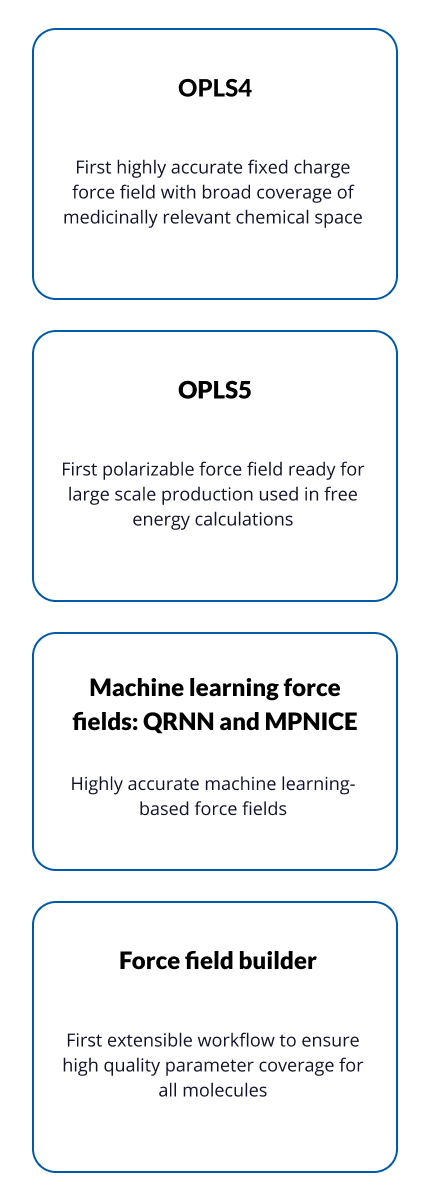
Updated Force Field Bundle offers you expanded coverage into more complex systems

We’re advancing force field innovations to help you achieve more accurate, reliable modeling outcomes

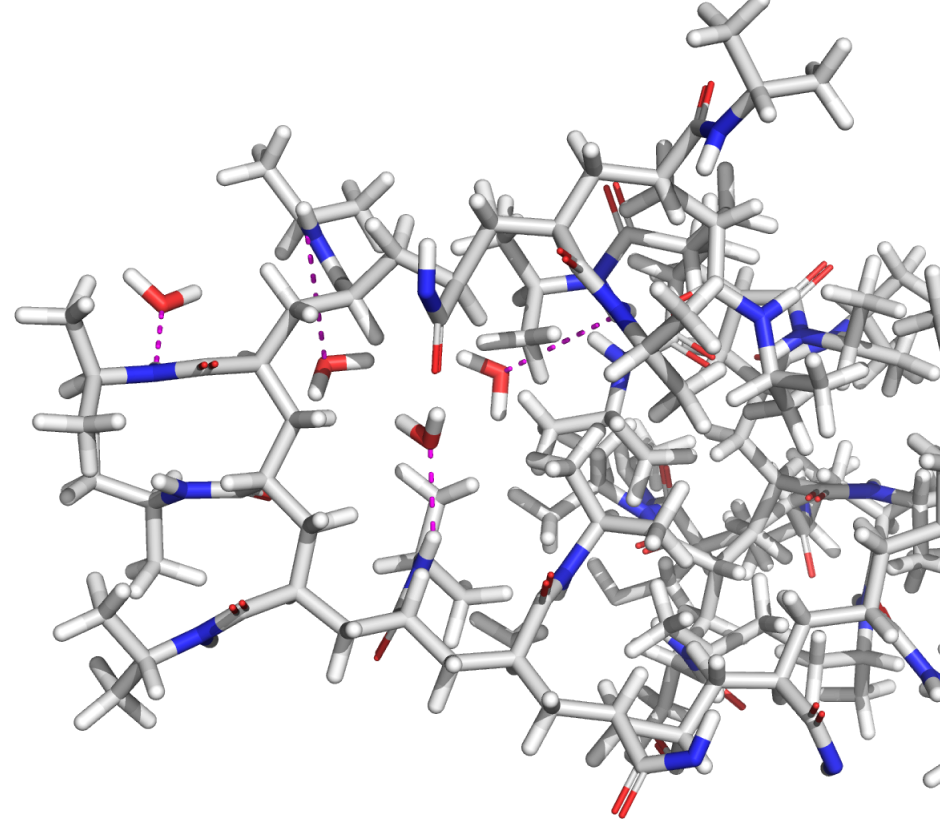
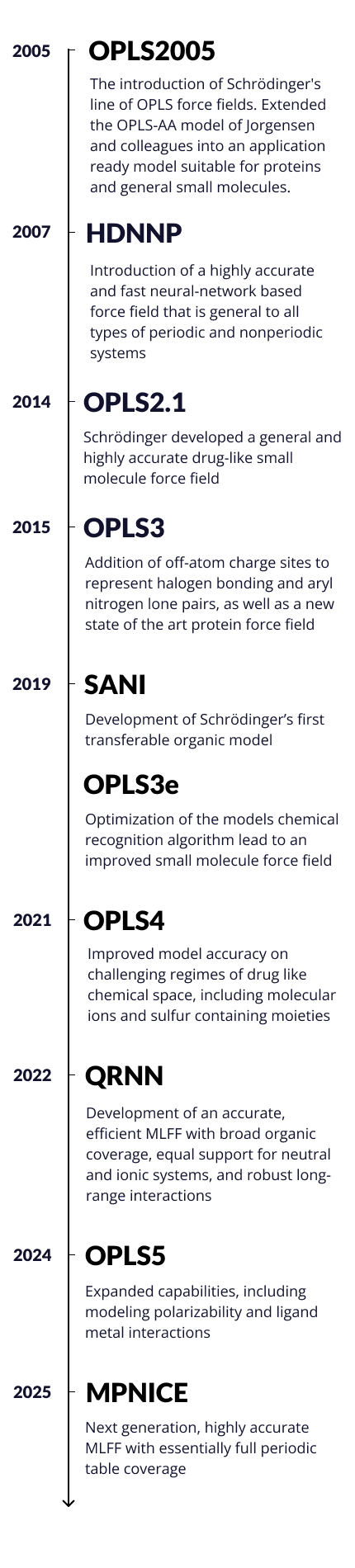
Force fields are used in molecular simulations to describe the interactions between atoms in a system. Having an accurate force field is at the heart of obtaining useful molecular structures and predicting relative energies, and yet many in silico programs employ force fields that are years, if not decades, old and suffer from lack of sufficient coverage for many common molecular motifs.

Introducing OPLS5: Enabling Innovation in Molecular Design With an Advanced Force Field

We are witnessing a shift toward a computational “predict-first” approach to drug discovery and materials science research.

Key Benefits of Schrödinger Force Fields

  • Continuous scientific development by leading force field experts
  • Backed by a state of the art quantum engine (Jaguar) and extensive experimental validation
  • Broad coverage of chemical space for small molecules, biologics and materials science applications
  • Easily extendible into novel project-specific chemistry with the Force Field Builder
  • Highly accurate and scalable machine learning force fields with broad expandable coverage and reach of system

Applications for drug discovery

Obtain more accurate predictions of binding affinity

Generate precise binding free energy predictions with FEP+, enabling more reliable rank ordering within congeneric series.

Expand the domain of applicability with machine learning force fields

Enhance and accelerate physics-based computational methods by integrating AI/ML into force fields and simulation engines.

Predict binding modes of novel scaffolds

Accurately predict binding modes of novel scaffolds using advanced induced fit docking methods in IFD-MD.

Perform accurate molecular dynamics simulations

Reveal mechanisms of action and key interaction energies through high-fidelity molecular dynamics simulations with Desmond.

Improve conformational analyses

Achieve better conformational sampling and docking poses with improved torsional energy descriptions across Glide, ConfGen, MacroModel, and Prime.

Related Products

FEP+

High-performance free energy calculations for drug discovery

IFD-MD

Accurate ligand binding mode prediction for novel chemical matter, for on-targets and off-targets

Desmond

High-performance molecular dynamics (MD) engine providing high scalability, throughput, and scientific accuracy

Force Field Builder

Efficient tool for optimizing custom torsion parameters in OPLS4

MS Force Field Applications

Cutting-edge force field technologies for accurate property predictions

Related Publications

Life Science Publication

A robust crystal structure prediction method to support small molecule drug development with large scale validation and blind study

Life Science Publication

Towards automated physics-based absolute drug residence time predictions

Life Science Publication

Accurate physics-based prediction of binding affinities of RNA- and DNA-targeting ligands

Materials Science Publication

Gaining molecular insights towards inhibition of foodborne fungi Aspergillus fumigatus by a food colourant violacein via computational approach

Materials Science Publication

Predicting Drug-Polymer Compatibility in Amorphous Solid Dispersions by MD Simulation: On the Trap of Solvation Free Energie

Materials Science Publication

Possible Applications of the Polli Dissolution Mechanism: A Case Study Using Molecular Dynamics Simulation of Bupivacaine

Materials Science Publication

Modelling of Prednisolone Drug Encapsulation in Poly Lactic-co-Glycolic Acid Polymer Carrier Using Molecular Dynamics Simulations

Materials Science Publication

Cu-TiO2/Zeolite/PMMA Tablets for Efficient Dye Removal: A Study of Photocatalytic Water Purification

Life Science Publication

Coarse-grained simulation of mRNA-loaded lipid nanoparticle self-assembly

Life Science Publication

OPLS5: Addition of polarizability and improved treatment of metals

Training & Resources

Online certification courses

Level up your skill set with hands-on, online molecular modeling courses. These self-paced courses cover a range of scientific topics and include access to Schrödinger software and support.

Tutorials

Learn how to deploy the technology and best practices of Schrödinger software for your project success. Find training resources, tutorials, quick start guides, videos, and more.