Virtual Biotechs – A Student Group Learning Project Enhanced Through Application of Schrödinger Maestro in a Medicinal Chemistry Course

MAY 29, 2024

Virtual Biotechs – A Student Group Learning Project Enhanced Through Application of Schrödinger Maestro in a Medicinal Chemistry Course

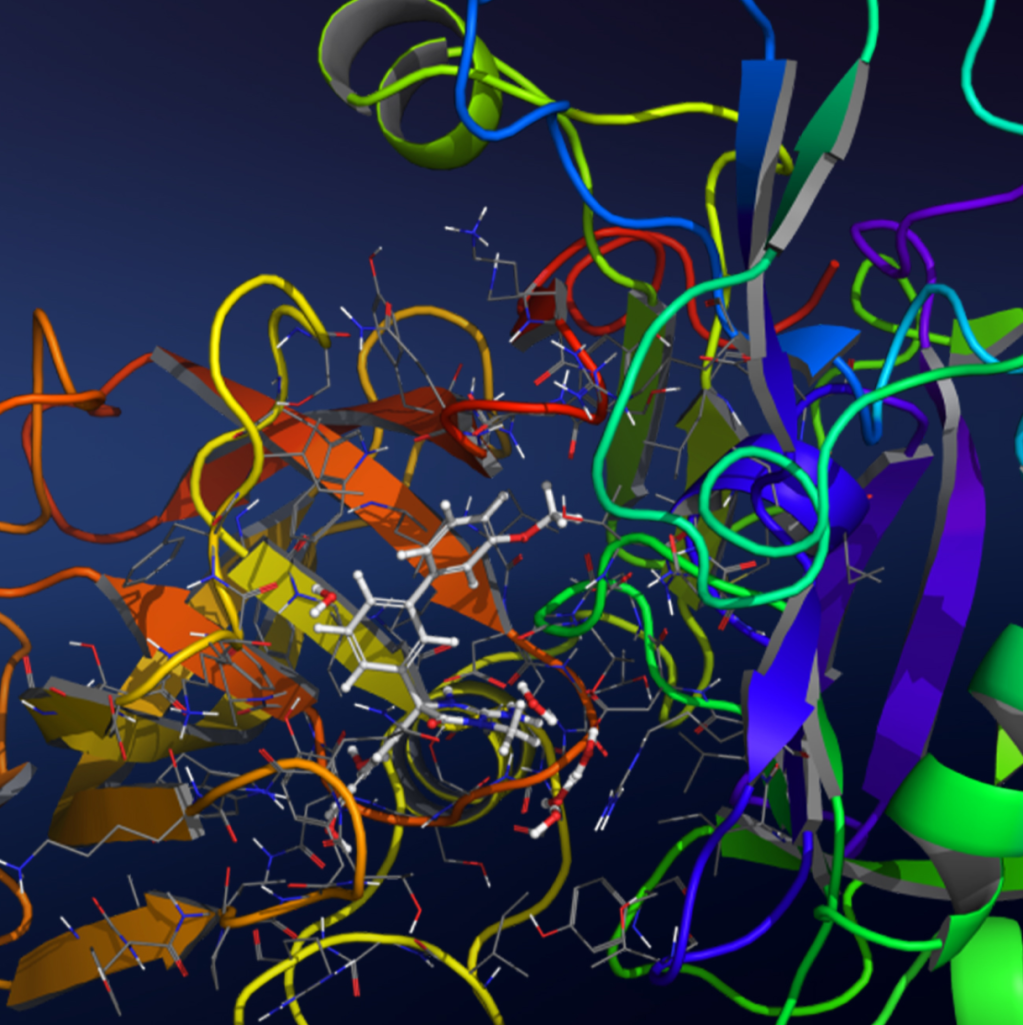
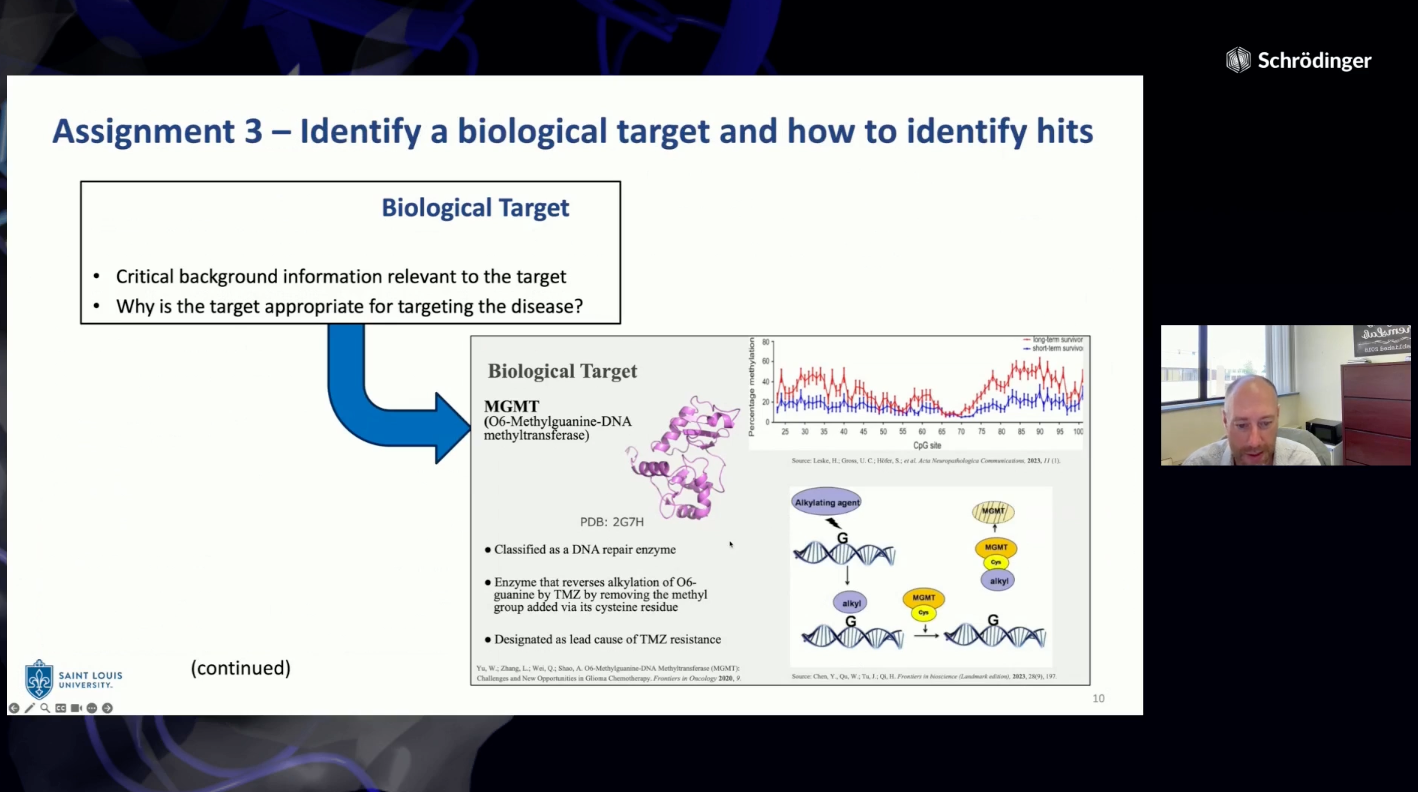
The Department of Chemistry at Saint Louis University offers an introductory medicinal chemistry course for juniors, seniors, and graduate students every spring. In 2019, an active learning group project was developed over the course of the semester wherein student teams of “virtual biotech” companies were formed to work through the drug discovery process on a virtual project. This was introduced as an experiment to help break up a 2.5 hour night course while applying what the students were learning in a more “real world” application that mimics working on diverse teams that occurs naturally in the pharmaceutical industry workforce. Student groups work to identify a disease with unmet medical need, target candidate profile, suitable biological targets for drug discovery, processes for hit identification, and propose an optimization strategy. The group project continues to evolve each year based on student feedback. Incorporation of structure-based drug design utilizing Schrödinger Maestro molecular modeling software was introduced in 2022 and is now integrated throughout the semester in individual weekly assignments to learn the software and the group project to utilize the software to apply what the students were learning in class to their project. The project teams conduct a virtual screen for their target using commercial screening libraries, evaluate hits, and use Ligand Designer to propose new analogs. At the end of the semester, the project teams present their work as a 10-minute project pitch to “virtual investors” (their classmates) to select a project for “virtual investment”.

Our Speaker
Marvin Meyers

Saint Louis University

Meyers is an experienced medicinal chemist and drug discovery scientist. Upon completion of his PhD in Chemistry at the University of Illinois-Urbana Champaign, he spent a decade at Pharmacia and Pfizer working on new drug discovery for a variety of diseases resulting in two novel compounds entering human clinical trials. Since joining Saint Louis University in 2010, his research focus shifted to the design and synthesis of novel drug candidates for rare and infectious diseases, focusing on parasitic, fungal, bacterial and viral diseases with few, if any, treatment options. This work is highly collaborative where the Meyers lab uses organic synthesis to develop structure-activity relationships on lead molecules in partnership with leading disease experts towards the goal of identifying drug candidates for clinical trials. These efforts are supported by grants from the National Institutes of Health and the SLU Research Institute. His work has resulted in 61 peer-reviewed publications, 34 patent applications and 7 issued US patents. In 2021, he was elected as a Senior Member of the National Academy of Inventors.
Leveraging high-impact practices in the chemistry curriculum with molecular modeling

MAY 30, 2024

Leveraging high-impact practices in the chemistry curriculum with molecular modeling

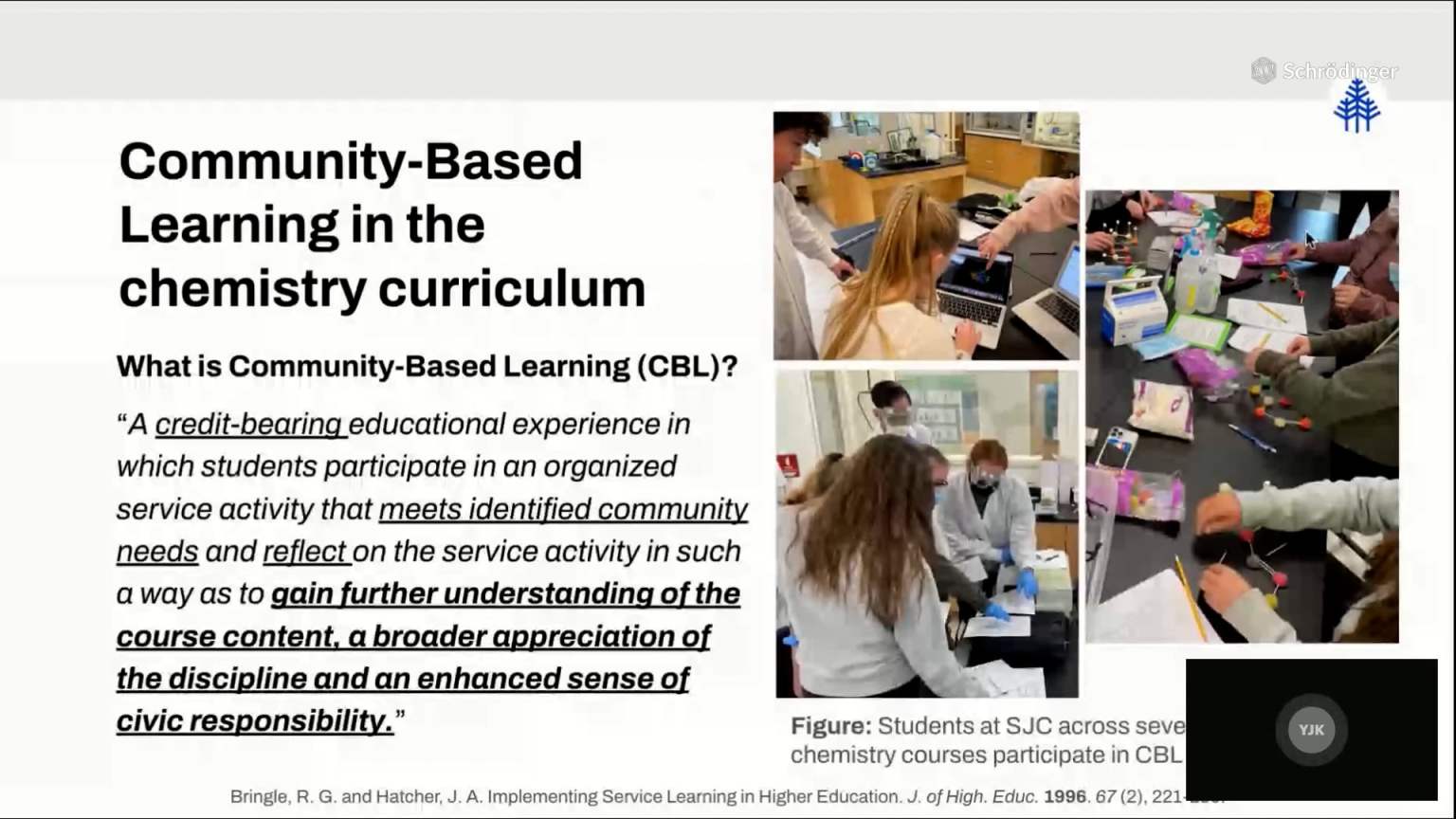
Undergraduate research (including course-based experiences, or CURE), capstone projects, and community-based learning (CBL) are integral components of the chemistry curriculum at Saint Joseph’s College of Maine. To leverage gains from these existing high-impact practices, students at SJC use molecular modeling tools throughout their learning in Organic Chemistry I & II. As a regular part of both classroom and laboratory activities, students build technical competency and diversify their media for learning critical concepts and applications of organic chemistry. This year, organic chemistry students have also designed a CBL project focused on sharing molecular modeling tools with local high school chemistry students, as part of a larger on-going curriculum at SJC. For those students who take Medicinal Chemistry in their junior or senior year, their familiarity and competency with computational molecular modeling serve as a critical foundation for designing and carrying out a drug discovery project in this CURE-based class.

This talk will share how molecular modeling is weaved through multiple chemistry courses at SJC, best practices that we have learned from our pilot years, and our current plans to expand student access and competency in this area. Importantly, it will discuss why tools such as Teaching with Schrödinger has been so instrumental in supporting high-impact practices in chemistry, modernizing the organic chemistry classroom, and ultimately, better equipping STEM students with the skills and resilience needed to tackle new challenges and questions in the future.

Our Speaker

Yi Jin Gorske

Saint Joseph’s College of Maine

Dr. Yi Jin Kim Gorske is an Associate Professor of Chemistry at Saint Joseph’s College in Standish, Maine. She received her B.A. in Molecular and Cell Biology from University of California-Berkeley, before completing her Ph.D. work in Organic Chemistry at University of Wisconsin-Madison, where she focused on synthetic methodology development and natural product total synthesis. Prior to entering academia, Dr. Gorske worked on antibacterial research & development as a medicinal chemist at a biopharmaceutical company in New Jersey. She currently teaches Organic Chemistry and Medicinal Chemistry at Saint Joseph’s College, where she focuses on the design and synthesis of small molecules that can be used as antiviral and antibacterial agents.

Using computer aided drug design and Teaching with Schrödinger in a medicinal chemistry CURE course

JUN 13, 2023

Using computer aided drug design and Teaching with Schrödinger in a medicinal chemistry CURE course

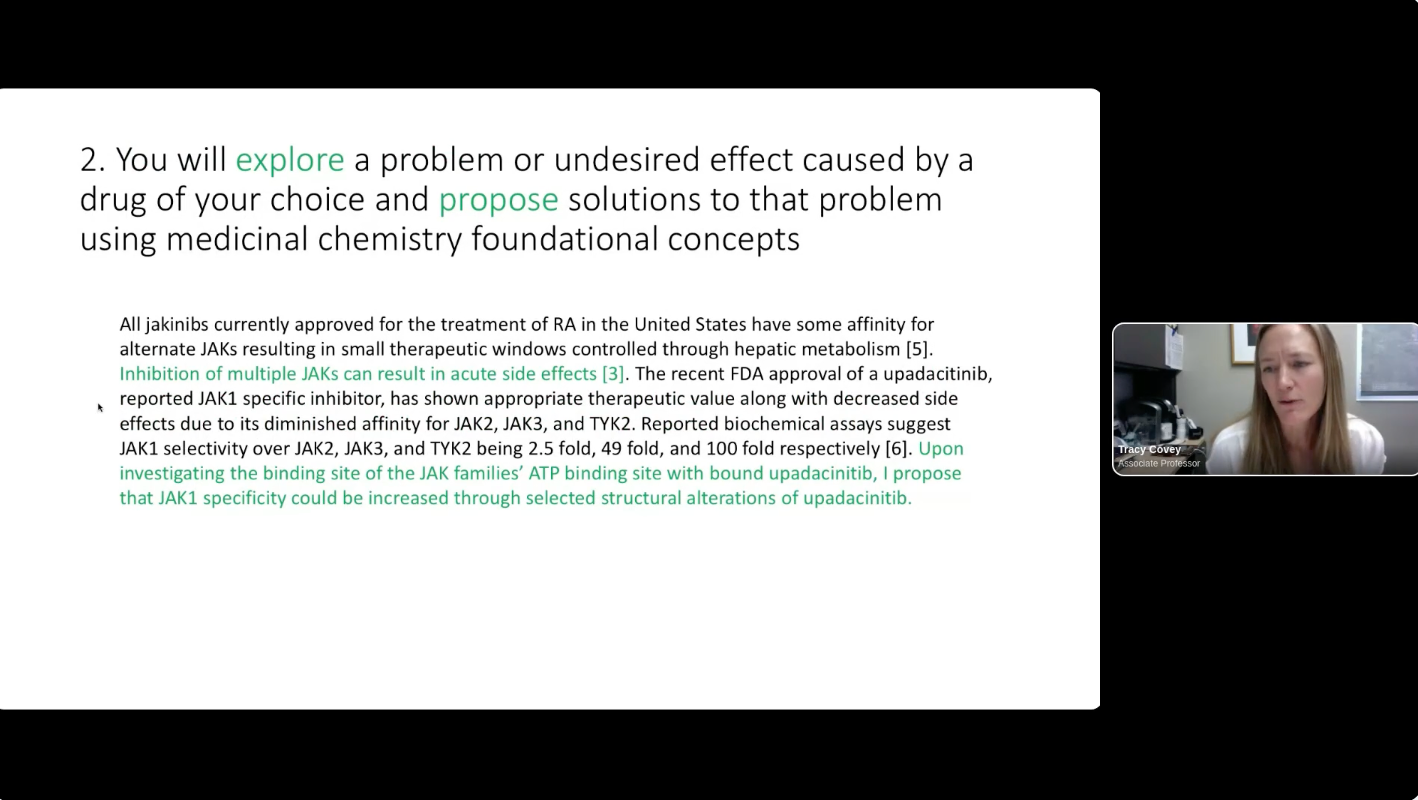
Course-based Undergraduate Research Experiences (CUREs) are an impactful and inclusive way for undergraduate students to be exposed to research experiences. Students in CURE Medicinal Chemistry at Weber State University learn foundational medicinal chemistry concepts and explore computer aided drug design (CADD) applications. Students apply these concepts and applications in a self-selected project where they formulate and explore a new idea/hypothesis related to medicinal chemistry. Students research their selected topic, propose specific drug modifications based on medicinal chemistry concepts, and test those structures in silico for improved drug characteristics. Molecular modeling is crucial for the research project hypotheses and molecular docking is essential for the data analysis component. Teaching with Schrödinger (TwS) has allowed for better and easier modeling and docking while also providing more equitable access to students because TwS just requires internet connection. Students in CURE Medicinal Chemistry disseminate their work as poster presentations at the WSU undergraduate research symposium.

Our Speaker

Tracy Covey

Weber State University

Tracy Covey is an Associate Professor in the Department of Chemistry and Biochemistry and Assistant Director of the Office of Undergraduate Research at Weber State University. She received her Ph.D. in Medicinal Chemistry in 2007 from University of Utah and then completed a post-doctoral fellowship at Duke-National University of Singapore. Her research interests involve understanding the mechanism of diseases, particularly certain enzymes and metabolites that affect the development and progression of disease. Dr. Covey is committed to undergraduate research and creating opportunities for students to participate in research.

Exploring Schrödinger Modeling Software: Enhancing Teaching and Learning in an Undergraduate Drug Hunter for Beginner Class

JUN 14, 2023

Exploring Schrödinger Modeling Software: Enhancing Teaching and Learning in an Undergraduate Drug Hunter for Beginner Class

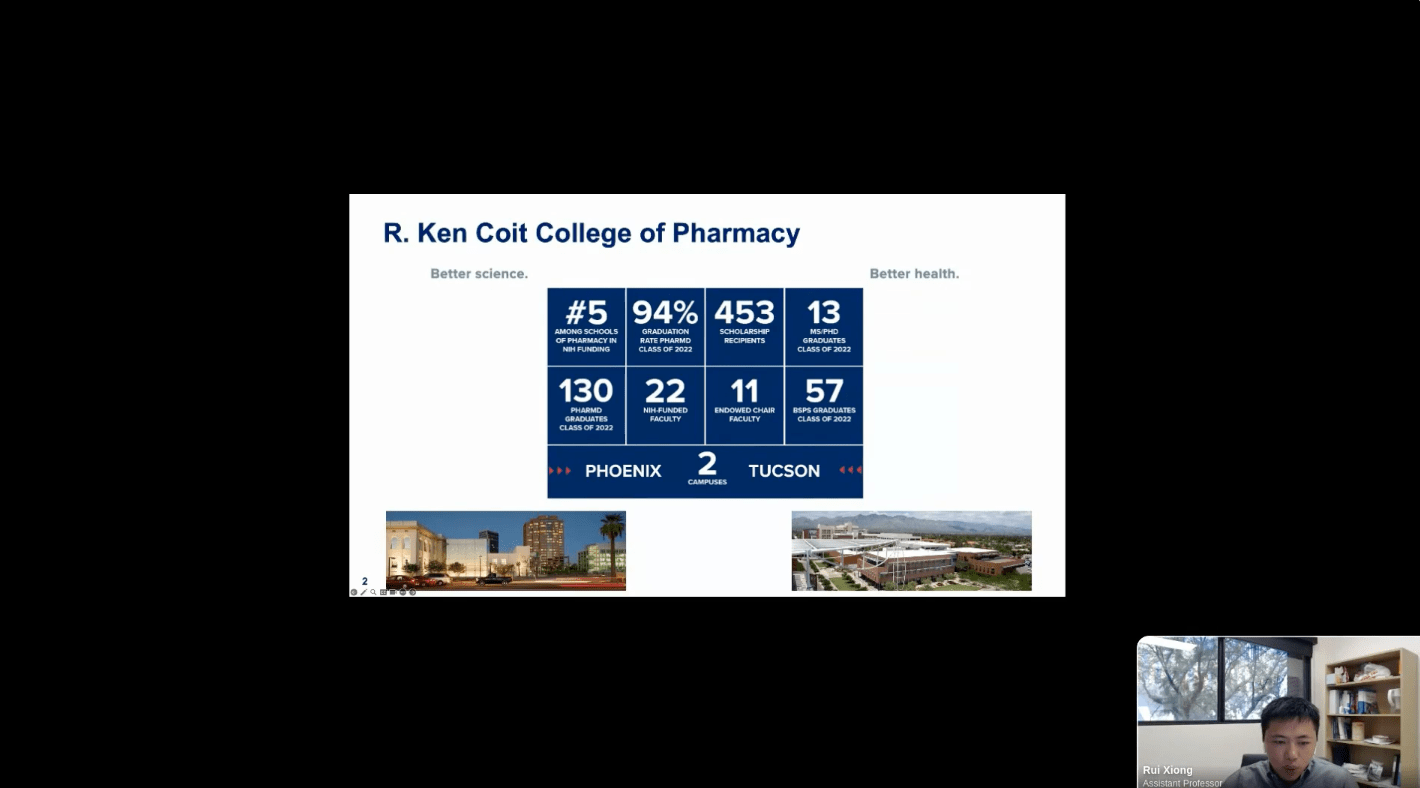
This talk highlights the integration of Schrödinger modeling software in pharmaceutical science education for senior-level students in the course “Drug Hunting for Beginners.” This project-based class focuses on students pursuing PharmD or PhD degrees, where teams pitch a drug discovery project integrating knowledge from medicinal chemistry, biochemistry, and pharmacology. By incorporating the software, we bridge the gap between theory and practice, providing a platform for experiential learning and collaborative problem-solving. Through case studies and capstone projects, students gain a deeper understanding of the drug discovery process, including evaluating therapeutic targets, hit identification, structure-based drug design, and improving drug-like properties through in silico prediction. Our experience offers insights for educators seeking to enhance medicinal chemistry teaching methods and empower students to integrate knowledge in drug discovery.

Our Speaker

Rui Xiong

University of Arizona

Rui Xiong received his PhD from the University of Illinois Chicago in Medicinal and Pharmaceutical Chemistry, and is now an assistant professor at the University of Arizona, College of Pharmacy. His lab is focused on the structure-based design of bioactive molecules to modulate disease-causing proteins or genes.

Finding a CURE for the Common Classroom: Reimagining Undergraduate Research

JUN 13, 2023

Finding a CURE for the Common Classroom: Reimagining Undergraduate Research

Course-based research experiences (CUREs) are an innovative and effective way to introduce undergraduate students to scientific research. These experiences provide students with the opportunity to engage in research within the context of a course, allowing them to gain practical experience in scientific inquiry while still fulfilling course requirements. CUREs have numerous benefits for students, including improving critical thinking, problem-solving, and communication skills, as well as providing valuable hands-on experience with scientific methods and techniques. Additionally, CUREs have been shown to increase retention and graduation rates for students in science, technology, engineering, and mathematics (STEM) fields, particularly among underrepresented minority groups. Furthermore, CUREs can provide meaningful research experiences to students who may not have the opportunity to participate in traditional research internships or programs.

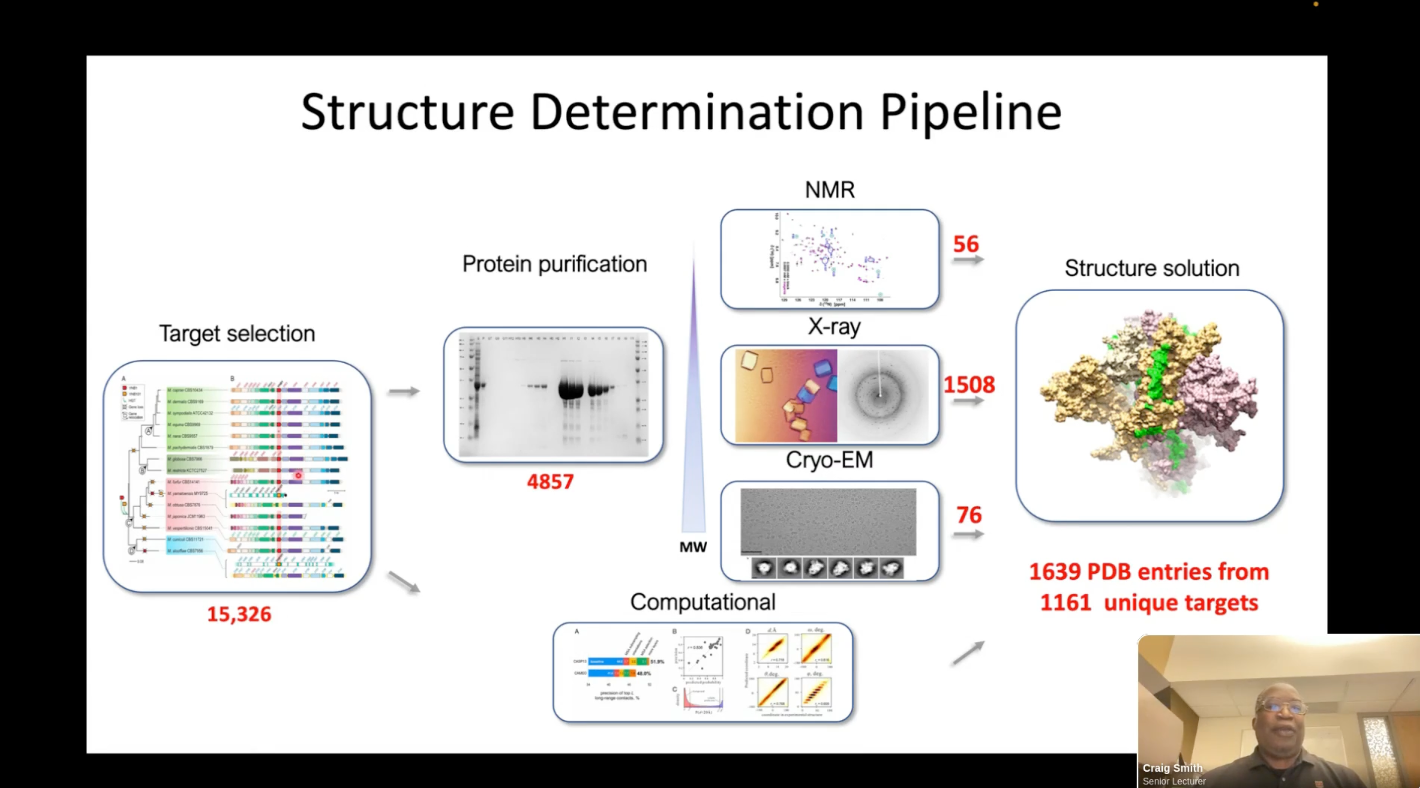
In this lecture, I will talk about a course I created called Structural Bioinformatics of Proteins. This course is divided into two parts. The first half of the semester, students learn how to use the visualization software PyMOL and other cutting-edge bioinformatics tools and methods to analyze protein structures. In the second half of the semester, students are given recently determined, high-quality, three-dimensional coordinates provided by the Seattle Structural Genomics Center for Infectious Disease and must write a final paper based on the analysis of their datasets using the skills learned in the first half of the course. At the end of the semester, students give an oral or a poster presentation at our university-wide Undergraduate Research Symposium. Students who produce outstanding work have the opportunity to publish it in a peer-review scientific journal. Course evaluations from students consistently report that this class provided them with valuable skills, experiences, and opportunities needed to succeed in scientific research and STEM fields.

Our Speaker

Craig Smith

Washington University – St. Louis

Craig Smith received a B.S. in Biological Sciences from Purdue University and a Ph.D. in Biological Chemistry from the University of Michigan. He received the UNCF-Merck Postdoctoral Fellowship and did his postdoctoral research in Molecular Microbiology at Washington University in St. Louis. He is currently a Senior Lecturer in the Biology Department at Washington University. He has interests in structural biology, biochemistry, bioinformatics, and bacterial pathogenesis. Using his background in structural biology, Dr. Smith has created innovative courses that help students gain a greater understanding of molecular interactions and develop visuospatial thinking skills. His current duties involve teaching courses introductory biology, biochemistry, and bioinformatics. He also serves as a Co-Principal Investigator for the Seattle Structural Genomics Center for Infectious Disease where he is currently developing a course-based research experience (CURE) in structural bioinformatics.

Curriculum redesign through design: A PyMOL poster project to assess program learning outcomes

JUN 14, 2023

Curriculum redesign through design: A PyMOL poster project to assess program learning outcomes

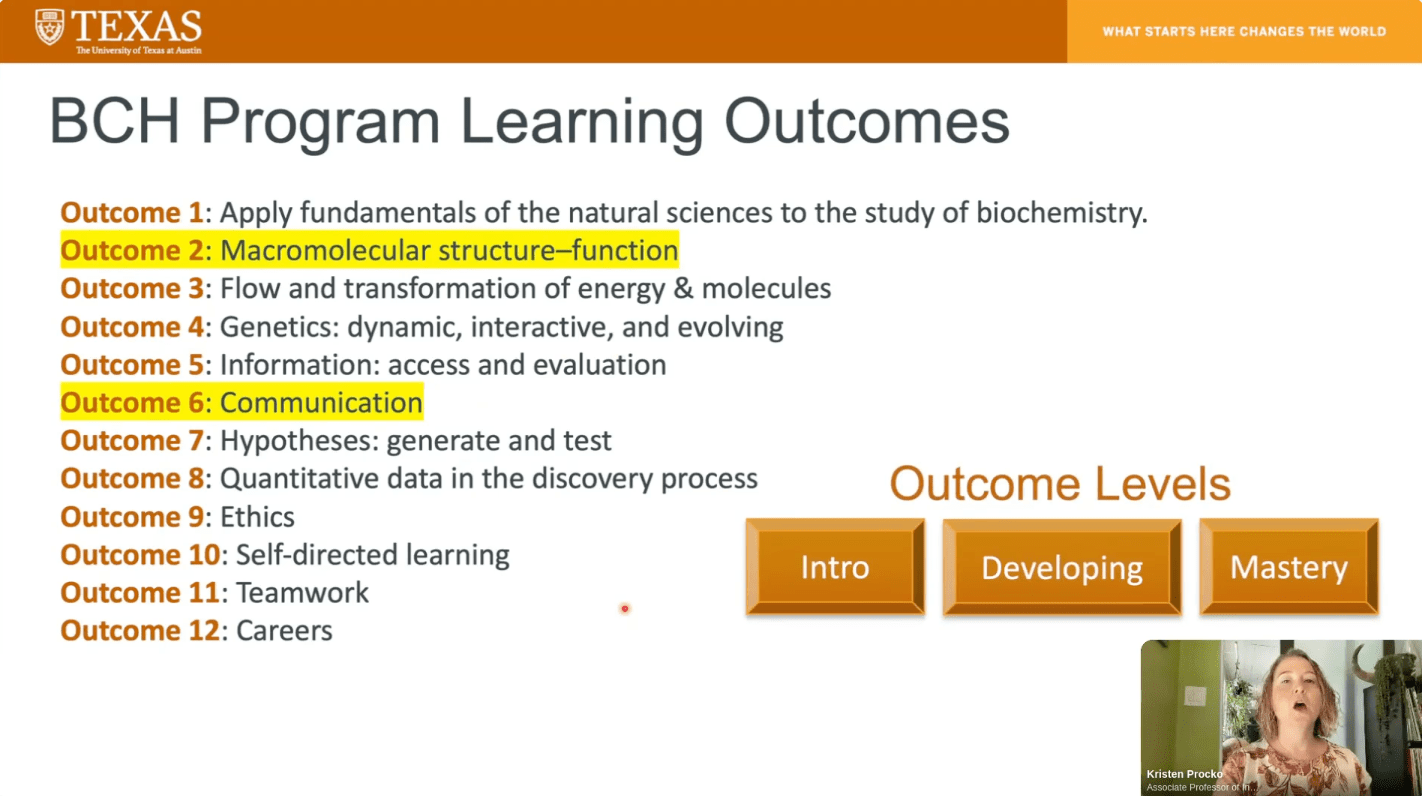
Teaching biomolecular visualization skills can improve students’ comprehension of foundational concepts in life science education. Molecular modeling is a gateway to understanding molecular interactions, structure-function relationships, and the use of appropriate renderings to convey specific information about a protein structure. Accordingly, a major goal of the curriculum redesign effort at the University of Texas at Austin is to incorporate modeling throughout the biochemistry degree plan. Scaffolded PyMOL activities have been developed to advance students’ modeling skills from beginner level to comfortably displaying molecular interactions and producing high-quality images. In Foundations of Biochemistry, the first upper division course in the degree plan, these skills are integrated in a culminating Signature Assignment: a task that best encompasses the knowledge and skills essential to the course objectives. Students explore enzyme inhibition in the context of small molecule disease treatment, and, throughout the latter half of the semester, craft a scientific poster. Presentations incorporate students’ original PyMOL images and connect the enzyme–inhibitor interaction to the biochemistry of the disease. Importantly, this project is one of several being developed to track students’ achievement of programmatic learning outcomes for the biochemistry degree plan and will ultimately be used as one measure to assess student success and the overall curriculum redesign effort.

Our Speaker

Kristen Procko

The University of Texas at Austin

An advocate for teaching biochemistry through molecular visualization, Dr. Kristen Procko earned her PhD in chemistry from the University of Texas at Austin, where she currently serves as an Associate Professor of Instruction. Her biochemistry classroom is an active learning environment, in which students build their molecular visualization skills through scaffolded modeling activities and a culminating project. She is also the Biochemistry Education Fellow for the major, coordinating curriculum redesign and assessment of the transformed biochemistry degree. Dr. Procko’s research interests include the evaluation of students’ visual literacy skills and assessment validation. In her role as Director of BioMolViz (biomolviz.org), a community of educators working to improve biomolecular visualization instruction and evaluation, she led the development of a visual literacy assessment repository for life science educators. Alongside her team, she provides professional development workshops for faculty, both in backward design of assessments that target visualization skills and in the use of popular programs for biomolecular modeling. She blends her PyMOL skills with her passion for videomaking to create animated molecular explorations, available on her YouTube channel, Molecular Memory.

Computational drug design and chemo-informatics: a hands-on course at the University of Antwerp

JUN 15, 2023

Computational drug design and chemo-informatics: a hands-on course at the University of Antwerp

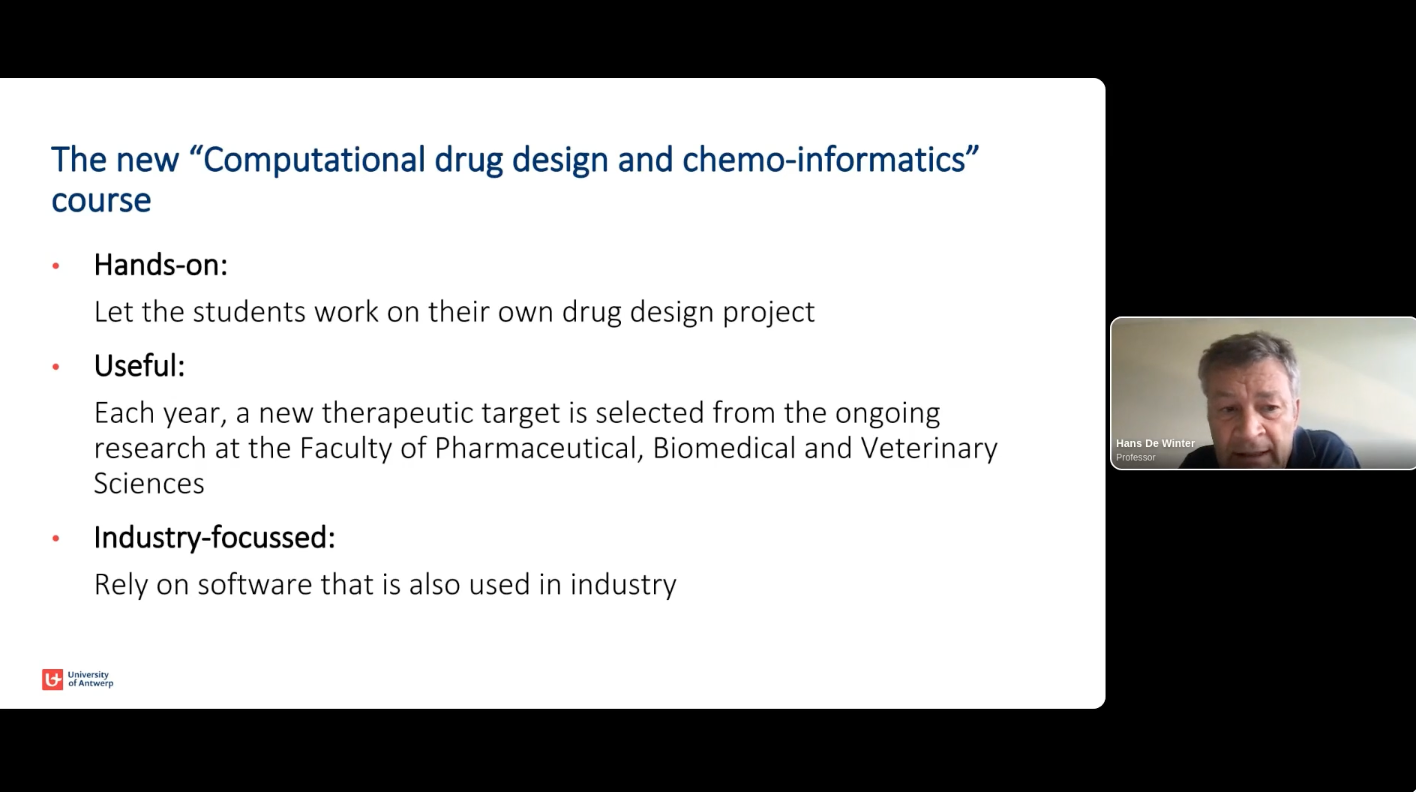
The University of Antwerp is the third-largest university in the Dutch-speaking region of Belgium, with over 20,000 students annually. Within the Biochemistry and Biotechnology curriculum, students have the option to take a three-ECTS course on computational drug design and chemo-informatics. The course is organized in a modular fashion and covers both theoretical and practical sessions.

During the theoretical sessions, students learn about chemo-informatics and virtual screening, which includes concepts such as chemical fingerprints, molecular similarity, clustering, machine learning models, and virtual screening performance metrics. The course also covers molecular docking and pharmacophore searching. The concepts covered in the theoretical sessions are then put into practice in a series of hands-on sessions.

For the chemo-informatics tasks, the students use Google Colab with RDKit as a chemo-informatics toolkit, while for the pharmacophore and docking-related aspects, they use Maestro, Phase, and Glide. These tools are made available through the “”Teaching with Schrödinger”” web-based virtual workstations, which allows students to access them from anywhere at any time. Finally, using an internally-developed virtual reality system, the students can graphically study the non-bonded interactions between ligand and protein.

At the start of the course, a drug design project is defined based on ongoing research programs in the Faculty. The goal of the project is to identify a limited number of commercially-available compounds (5-10) that are subsequently purchased and biochemically characterized for their inhibitory properties. The students complete the program with a written report, which serves as the basis for the oral examination at the end.

Our Speaker

Hans De Winter

University of Antwerp

Hans De Winter was appointed in 2013 as a professor of Computational Drug Design at the University of Antwerp (Belgium) after a long career in industry, first as a senior scientist at Johnson & Johnson in Beerse, Belgium, and subsequently as a co-founder and CSO of Silicos NV. He holds a PhD from the University of Leuven (Belgium) and completed post-doctoral stays at the Victorian College of Pharmacy (Australia) and the Rega Institute in Leuven (Belgium) before starting his career as a scientist in the pharmaceutical industry. Despite his elaborated industrial background during a period of more than 20 years, he has over 60 scientific publications and is listed as inventor on eight granted patents. Hans’ research interests are mainly situated in the field of computational medicinal chemistry and cheminformatics. Current research activities include: 1) molecular dynamics-based modeling of protein-protein interactions and unraveling the kinetics of lipid membrane-bound protein complexes using large-scale molecular dynamics calculations with Markov chain modeling; 2) the elaboration of spectrophore-based algorithms for exploration of ligand/protein interaction space; 3) the development of automated in silico ligand design systems. Additional focus points are the development of open-source and cloud-based interrogation software for large chemical and biological data repositories. Finally, his expertise in in silico drug design is used in several ongoing targeted drug discovery projects. Prof. Hans De Winter is the coordinating promoter or co-promoter of a number of PhDs and has a broad research network both in industry and in academia based on his expertise in modeling/chemoinformatics. He is also chairman of the Flemish computational chemistry division of the European Association of Chemical and Molecular Sciences (EuCheMS) since 2015. He teaches ‘organic chemistry’ to 1st year bachelor students in Pharmaceutical Sciences, and ‘computational drug design and cheminformatics’ to 1st year master students in Biochemistry at the University of Antwerp.

Teaching computer-aided drug design techniques to graduate students specializing in medicinal chemistry

JUN 15, 2023

Teaching computer-aided drug design techniques to graduate students specializing in medicinal chemistry

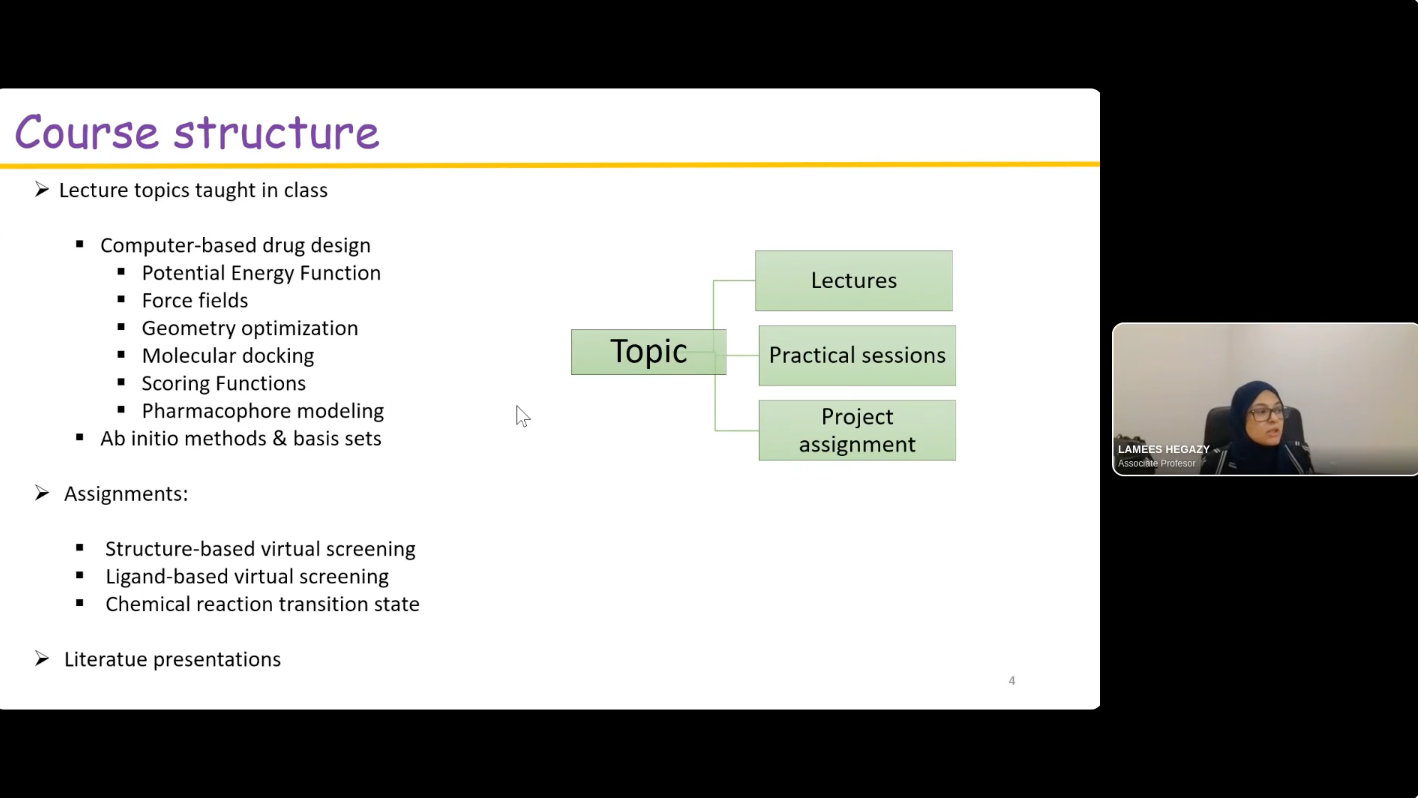
Medicinal chemists are scientists who specialize in the design, synthesis, and optimization of molecules with therapeutic properties. They work in the pharmaceutical industry, government research institutions, or academia, and collaborate with other scientists, such as biologists, pharmacologists, and clinicians, to develop new drugs. Teaching computational chemistry is important for medicinal chemists because it can help to streamline the drug discovery process, improve the potency and selectivity of drug candidates, and provide insights into drug-target interactions. It also provides medicinal chemists with a valuable skillset that can be applied to a variety of research problems. During my presentation, I will elaborate on our utilization of Schrödinger educational resources to improve the instruction of computer-based drug design approaches to students pursuing a master’s degree in Medicinal Chemistry. Additionally, I will outline the practical application of these concepts by students through computer-based drug design assignments.

Our Speaker

Lamees Hegazy

University of Health Sciences & Pharmacy

Dr. Hegazy is an Associate Professor in the Department of Pharmaceutical and Administrative Sciences at the University of Health Sciences & Pharmacy in Saint Louis. She holds a secondary appointment as an adjunct professor at Washington University School of Medicine. Dr. Hegazy received her B.Sc. degree in Biochemistry from Mansoura University, Egypt. She earned her PhD in Biochemistry from the University of Florida. Prior to joining UHSP, she worked at Saint Louis University School of Medicine as a Research Assistant Professor. The research focus of Dr. Hegazy is the rational drug design and optimization of therapeutic compounds using computational and experimental approaches. She uses molecular dynamics simulations and enhanced sampling simulations to study the conformational behavior of important drug targets and design modulators that target different conformational states. Her computational and modeling efforts make valuable contributions through the identification of new chemical entities and generation of new testable hypotheses to support the discovery of improved therapies. Her research is funded by the national institute of diabetes and digestive and kidney diseases and the national institute of neurological disorders and stroke.

Teach computer-aided drug design (CADD) in the upper-level bioinformatics/biochemistry/molecular modeling courses using schrodinger package

JUN 15, 2023

Teach computer-aided drug design (CADD) in the upper-level bioinformatics/biochemistry /molecular modeling courses using schrodinger package

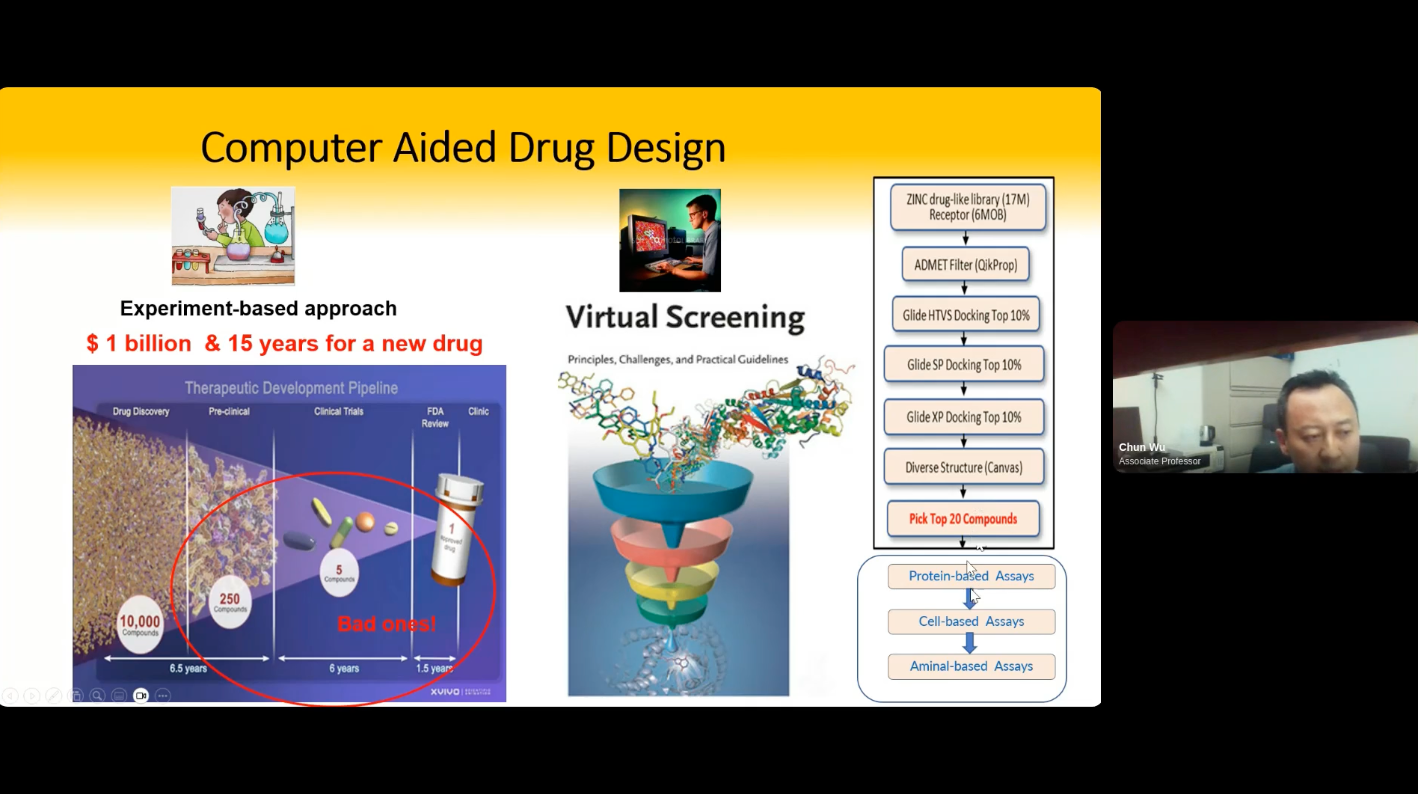
Computer-aided drug design (CADD) has become an integral part of modern drug discovery and development processes. To equip students with essential skills in CADD, it is imperative to incorporate relevant tools and software packages into the curriculum of bioinformatics, biochemistry, and molecular modeling courses. This talk presents the effective integration of the Schrödinger Small-Molecule Drug Discovery Suite, a widely used suite of computational chemistry tools, in teaching CADD concepts to students at the upper-level courses. The Schrödinger package offers a comprehensive range of modules and functionalities for homology modeling, molecular docking, virtual screening, and molecular dynamics simulations. By introducing students to this powerful software package, they can gain hands-on experience in utilizing computational techniques for rational drug design. The talk discusses the potential benefits, challenges, and strategies for integrating the Schrödinger package into the curriculum, focusing on enhancing students’ understanding of CADD principles, fostering critical thinking skills, and providing practical training for future research and industry applications. Furthermore, it highlights the importance of incorporating real-world case studies and collaborative projects to reinforce the learning experience and encourage interdisciplinary approaches. Through the incorporation of the Schrödinger package in upper-level courses, students can develop valuable computational skills and be better prepared to contribute to the rapidly evolving field of drug discovery and design.

Our Speaker

Chun Wu

Rowan University

Dr. Chun Wu is a tenured associate professor with a joint appointment in the Departments of Chemistry & Biochemistry and the Biological Biomedical Sciences at Rowan University. He obtained his PhD from University of Delaware where he developed protein force fields and conducted molecular dynamics simulations of amyloidogenic peptides. He then trained at the University of California Davis and Santa Barbara as a postdoctoral researcher studying the modeling of oligomers of amyloidogenic peptides. At Rowan, using genomic datasets his lab is developing a novel evolution theory (near-neutral balanced selection theory/NNBST) not only to best explain the molecular evolution of SARS-COV-2 and other pathogens but also to accurately identify hotspots in their genome for developing first/next generation vaccines and drugs to treat these infectious diseases; using molecular docking, homology modeling and molecular dynamics simulations, his computer aided drug design (CADD) lab is investigating the binding interactions between various protein receptors and ligands toward novel drug design. Working collaboratively with experimental groups, the Wu lab aims to discover novel protein receptors and small molecules as potential anti-cancer agents, antiviral agents, anti-neural-disorder agents, and to optimize ionic liquids for protein and nucleic acid stabilization. With over 92 peer-reviewed publications and a total awarded external grant of $1.5 million and 3.3 million CPU hours as a PI and co-PI, he has achieved a h-index of 35 and total citations of 8857+. His contributions to the field of computational biochemistry, molecular modeling and simulation and CADD are widely recognized by his peers. He has been invited to present at national and international meetings, and top Chinese institutes, and he was named the World Class Professor by the Indonesia Ministry of Education and Culture in 2021. In addition to his research, Chun is also passionate about teaching and mentoring students at both the undergraduate and graduate level. At Rowan, he has supervised over 30 MS graduate students and 100 undergraduates in research leading to over 28+23 publications and 69+83 posters.

A Recipe for a Short Course in Molecular Simulations as Part of Special Topics in Biological Chemistry

JUL 28, 2021

A Recipe for a Short Course in Molecular Simulations as Part of Special Topics in Biological Chemistry

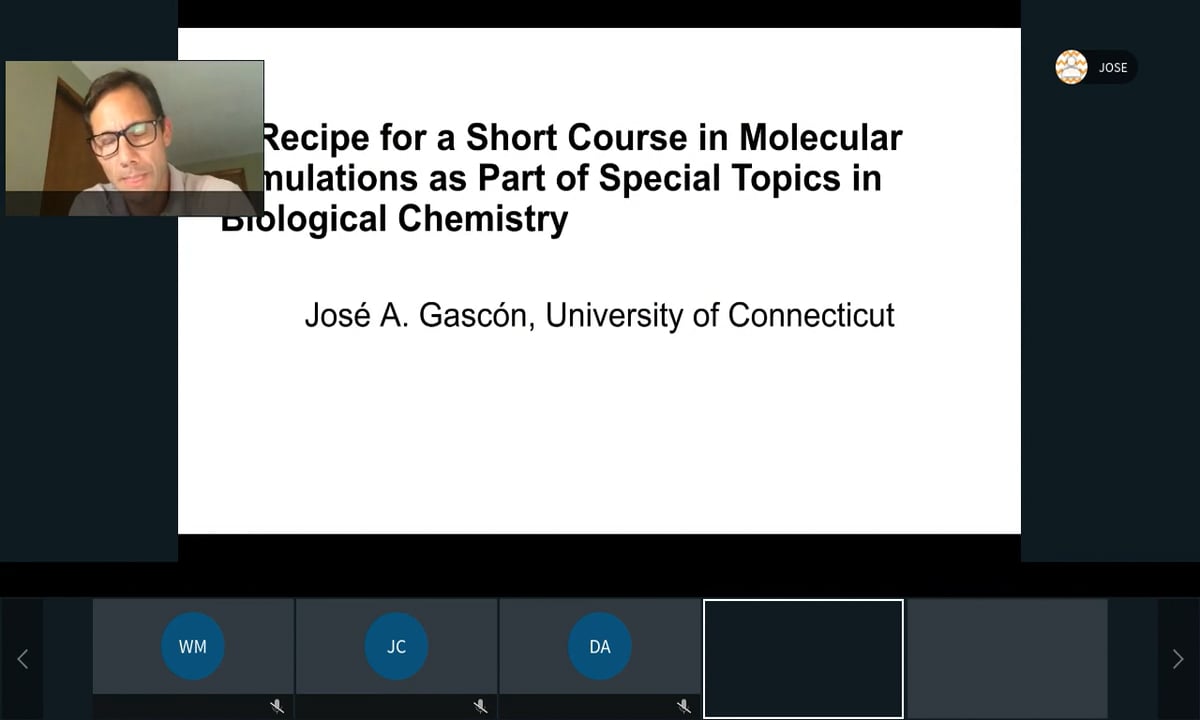
The Biological Chemistry II course at University of Connecticut is a team taught course covering special topics in the field biological chemistry. This talk will cover a first attempt to introduce students, pursuing a biological chemistry track within their PhD program, with the essentials of biomolecular simulations. The course covers the basic theory underlying current molecular simulation methods and provides a hands-on experience on the use of software for computational chemistry applications, from small molecules to proteins. This has been made possible only recently by the ability to stream specialized software via virtual machine platforms, without the need of special hardware requirements and software installation.

Our Speaker

José A. Gascón

University of Connecticut

José A. Gascón received a BSc degree (Licenciado) in Physics from the Faculty of Mathematics, Astronomy and Physics (FAMAF) at the National University of Córdoba in Argentina. In 1998, he moved to Louisiana State University to pursue a PhD in Chemistry to study electronic and structural properties of rare gas cation clusters with Prof. Randy Hall. In 2002, he began a postdoctoral work under the supervision of Victor S. Batista at Yale University working on QM/MM studies of biomacromolecules, including the study of photochemical reactions in rhodopsin and structural and electronic properties of the oxygen-evolving complex in photosystem II. In 2006, he started his independent career as an Assistant Professor in the Department of Chemistry at the University of Connecticut, obtaining a Hewlett Packard Outstanding Junior Faculty Award, a Camille and Henry Dreyfus New Faculty Award, and an NSF Career Award. In 2018, he was promoted to Full Professor. His current research is centered in understanding structural and dynamical properties of biomolecules and biomaterials.

Making Lemonade, Giving Students a Choice, and NOT Reinventing the Wheel in Introduction to Bioinformatics Course

JUL 28, 2021

Making Lemonade, Giving Students a Choice, and NOT Reinventing the Wheel in Introduction to Bioinformatics Course

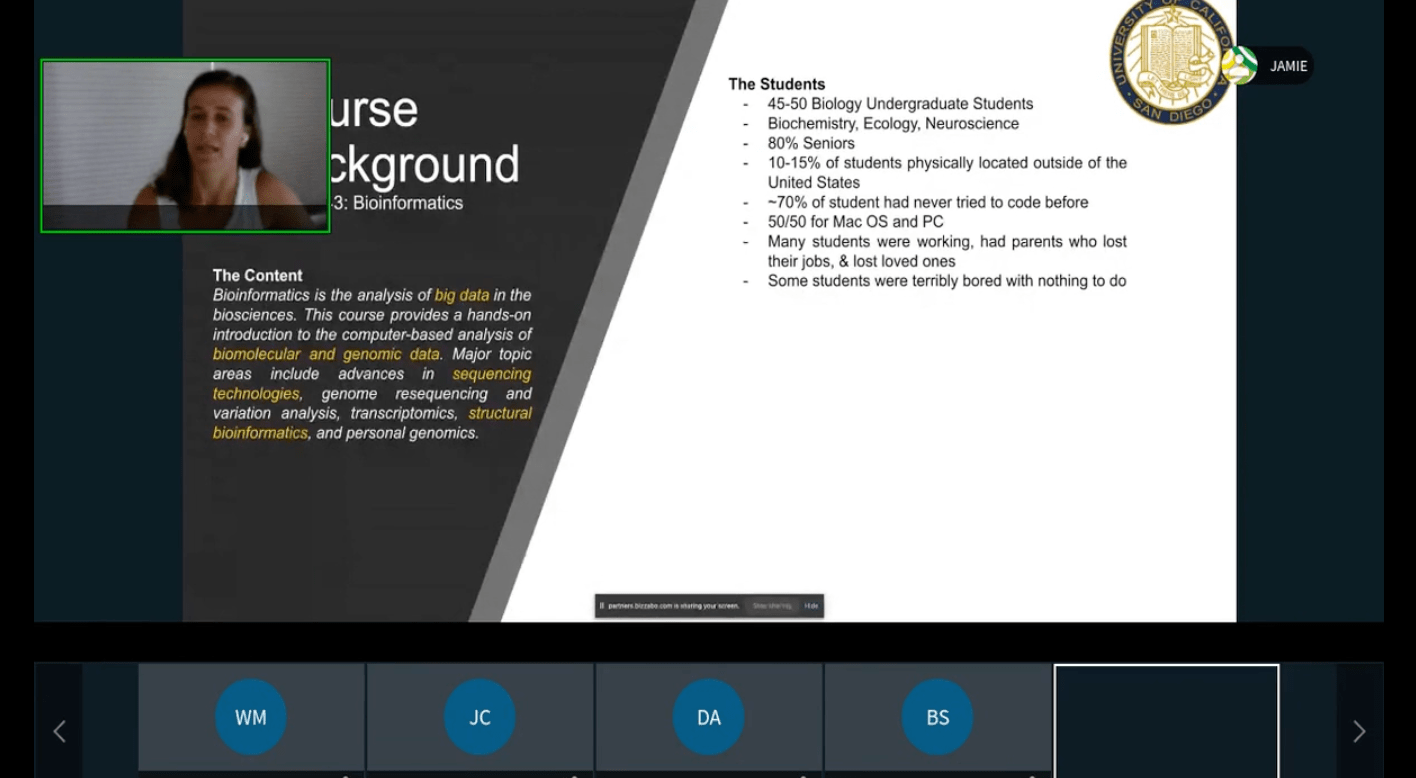
Student choice, POGIL, and flipped classroom approaches are successfully used to engage students in Introduction to Bioinformatics (BIMM 143) during the Winter and Spring quarters of 2021 at UC San Diego. The majority of the students enrolled in the course are fourth year biology students with a range of majors, from Human Biology to Molecular Biology. The majority of students have no coding experience prior to this course. Students are paired at the beginning of the quarter into groups & given access to DataCamp, an online education platform for learning how to code in python and R (students choose which coding track they would prefer at the beginning of the quarter as well). These groups were affectionately renamed PODs (for People of DataCamp) and each PODmate was given a role similar to the structure of POGIL activities (process oriented guided inquiry based learning). Students choose whether they want to participate in weekly trivia based on that week’s DataCamp activities or do a challenge problem that is loosely based on DataCamp activities. Students also participate in Code-Together Meetings and share notes from DataCamp for participation credit in the course. DataCamp and PODs formed the foundation for supporting students in their learning so that they could accomplish two major projects throughout the quarter. For one of the projects in the course, students can choose to either formulate their own unique scientific question and hypothesis that can be answered through a bioinformatics method OR they can opt to participate in Schrodinger’s Molecular Modeling course. Students that choose the molecular modeling course then present on the course findings and learnings to the rest of the students as an extra credit opportunity for BIMM 143 students not enrolled in the Molecular Modeling course. Student’s response to this course format is very positive. The biggest take-home has been that students really appreciate having choice, whereas having PODmates and using a flipped classroom has gotten mixed reviews.

Our Speaker

Jamie Schiffer

UC San Diego

Jamie Schiffer is a computational chemist at Takeda and a lecturer in biology at UC San Diego. She has published in Journal of Chemical Education, Structure, Journal of Physical Chemistry Letters, Journal of Medicinal Chemistry and more, on a wide variety of applications of molecular modeling in research and education. From 2018-2019 she was an education specialist at Schrodinger where she felt like a kid in a candy store, as she had access to all possible state-of-the-art modeling tools she could ever dream of. During her time at Schrodinger, she published in Journal of Chemical Education on an outreach activity that she designed using Schrodinger’s Materials Science Suite entitled, “Microplastics Outreach Program: A SystemsThinking Approach to Teach High School Students about the Chemistry and Impacts of Plastics.” In her free time, Jamie enjoys spending time with her husband, baby boy Ezra, and three dogs Juno, Baxter and Haiku. She is also an avid cycler, runner, and yoga instructor.

Embedding Computation within the Chemistry Syllabus in an Applied Manner

JUL 28, 2021

Embedding Computation within the Chemistry Syllabus in an Applied Manner

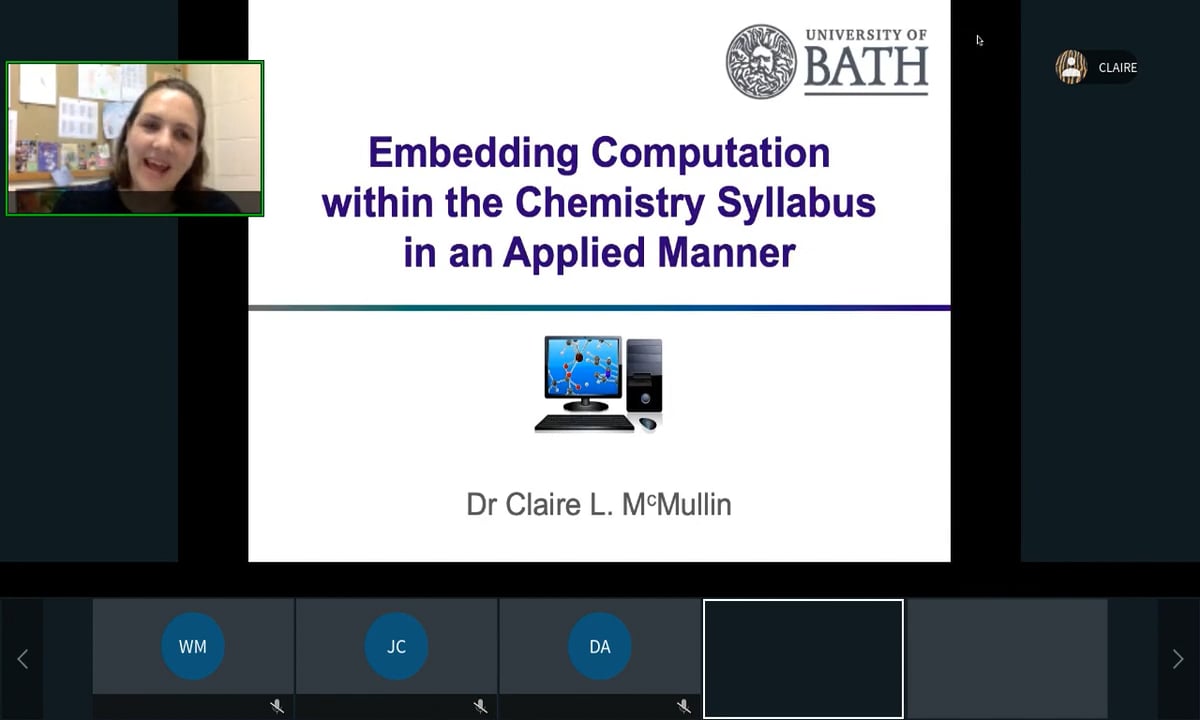
With advancing technology, the importance of computational chemistry continues to grow. This topic should not remain for postgraduate education or higher, but holistically included in undergraduate curriculum at every stage to provide students modern transferable skills and prepare them for their future workplace. There are two branches of computational chemistry that we have focused on teaching our students; molecular modelling and programming. Both require students to be proficient in data analysis – an important skill to nurture. Our fundamental approach is based on understanding why certain methodologies are chosen to answer a particular chemistry question by knowing each method’s limitations and then vitally linking results back to real chemistry scenarios.

Our Speaker

Claire McMullin

University of Bath

Claire joined the University of Bath in September 2015 as a Computational Chemistry Teaching Fellow. Since then she has established a range of collaborations and has moved into computing main group reaction systems, whilst leading on the computational component of lab teaching and introductory lecture content. Previously, she was a Post-Doc with Prof. Stuart A. Macgregor at Heriot-Watt University working on the mechanism for C-H activation and functionalisation of neutral substrates with Rh(III) and Ru(II) catalysts. Before heading to Edinburgh for three years, Claire spent a year in America as a Post-Doc at the University of North Texas working with Prof. Tom Cundari on late transition metal catalysis. Claire completed her Ph.D. at the University of Bristol (UK) in July 2011 with Guy Orpen and Natalie Fey, her research included expanding the Ligand Knowledge Base (LKB), dispersion corrected modeling of Pd-catalyzed oxidative addition and BuchwaldHartwig amination, developing novel chiral measures to quantify chirality in organometallic asymmetric catalysis (in collaboration with the CCDC), and solving a variety of crystal structures from research groups at the University of Bristol.