GA Optoelectronics

GA Optoelectronics

Design solution for novel molecular materials in optoelectronic applications based on genetic algorithm
GA Optoelectronics

Overview

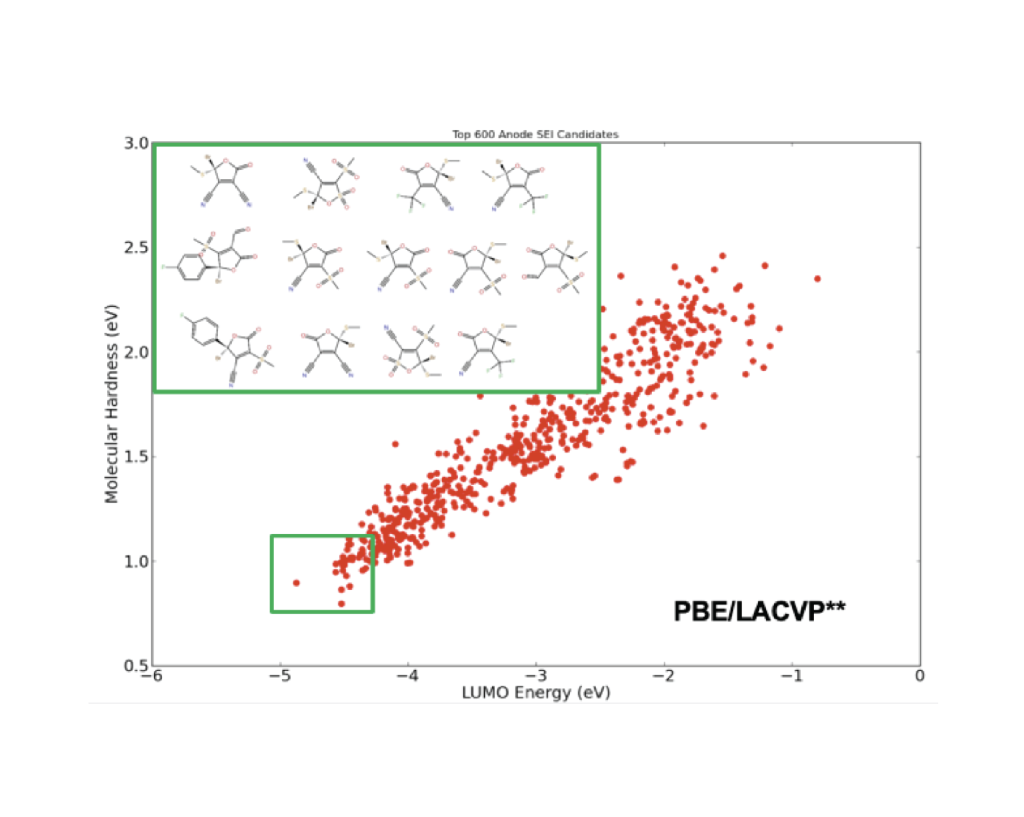
GA Optoelectronics evolves novel molecular analogs with desired properties using a genetic algorithm, generating structurally-new candidates from your seed compounds. By pairing this evolutionary search with quantum mechanics (QM) or ML-based property evaluation, it efficiently narrows a vast design space to the most promising candidates – accelerating experimental development, elucidating structure-property relationships, and informing your future synthetic targets.

Key Capabilities

Simultaneously target several optoelectronic properties in one run, each with its own target and weight

Score molecules with rigorous DFT calculations or swap in custom and pre-trained ML models to optimize properties for which DFT is slow or inaccurate (e.g. solubility and PLQY)

Drive structural novelty using advanced crossover (bond-based recombination) and mutations (elemental, isoelectronic, and fragment-library swaps), while strictly enforcing physical constraints such as atom count and molecular weight

Use the interactive viewer and pre-generation output files to monitor the population converge toward your design target in real time

Broad applications across materials science research areas

Get more from your ideas by harnessing the power of large-scale chemical exploration and accurate in silico molecular prediction.

Polymeric Materials
Pharmaceutical Formulations & Delivery
Energy Capture & Storage
Organic Electronics
Consumer Packaged Goods
Catalysis & Reactivity

Documentation & Tutorials

Get answers to common questions and learn best practices for using Schrödinger’s software.

Materials Science Documentation

GA Optoelectronics

A design solution for novel molecular materials in optoelectronic applications based on a generative algorithm.

Materials Science Tutorial

Genetic Optimization

Generate new structures for which a chosen set of optoelectronic properties is optimized by mutating the structures with a genetic algorithm.

Materials Science Tutorial

Optoelectronics Active Learning

Learn to predict optoelectronic properties using active learning models for a series of iridium complexes.

Related Products

Learn more about the related computational technologies available to progress your research projects.

MS Maestro

Complete modeling environment for your materials discovery

MS Informatics

Automated machine learning tools for materials science applications

DeepAutoQSAR

Automated, scalable solution for the training and application of predictive machine learning models

Jaguar

Quantum mechanics solution for rapid and accurate prediction of molecular structures and properties

Publications

Browse the list of peer-reviewed publications using Schrödinger technology in related application areas.

Materials Science Publication

n-Type naphthalimide-indole derivative for electronic applications

Materials Science Publication

Design of organic electronic materials with a goal-directed generative model powered by deep neural networks and high-throughput molecular simulations

Materials Science Publication

Achieving High Efficiency and Pure Blue Color in Hyperfluorescence Organic Light Emitting Diodes using Organo-Boron Based Emitters

Materials Science Publication

Rapid Multiscale Computational Screening for OLED Host Materials

Materials Science Publication

Atomic-scale Simulation for the Analysis, Optimization and Accelerated Development of Organic Optoelectronic Materials

Materials Science Publication

Virtual Screening for OLED Materials

Training & Resources

Online certification courses

Level up your skill set with hands-on, online molecular modeling courses. These self-paced courses cover a range of scientific topics and include access to Schrödinger software and support.

Tutorials

Learn how to deploy the technology and best practices of Schrödinger software for your project success. Find training resources, tutorials, quick start guides, videos, and more.
Force Field Builder

Force Field Builder

Efficient tool for optimizing custom torsion parameters in OPLS4

Force Field Builder

Overview

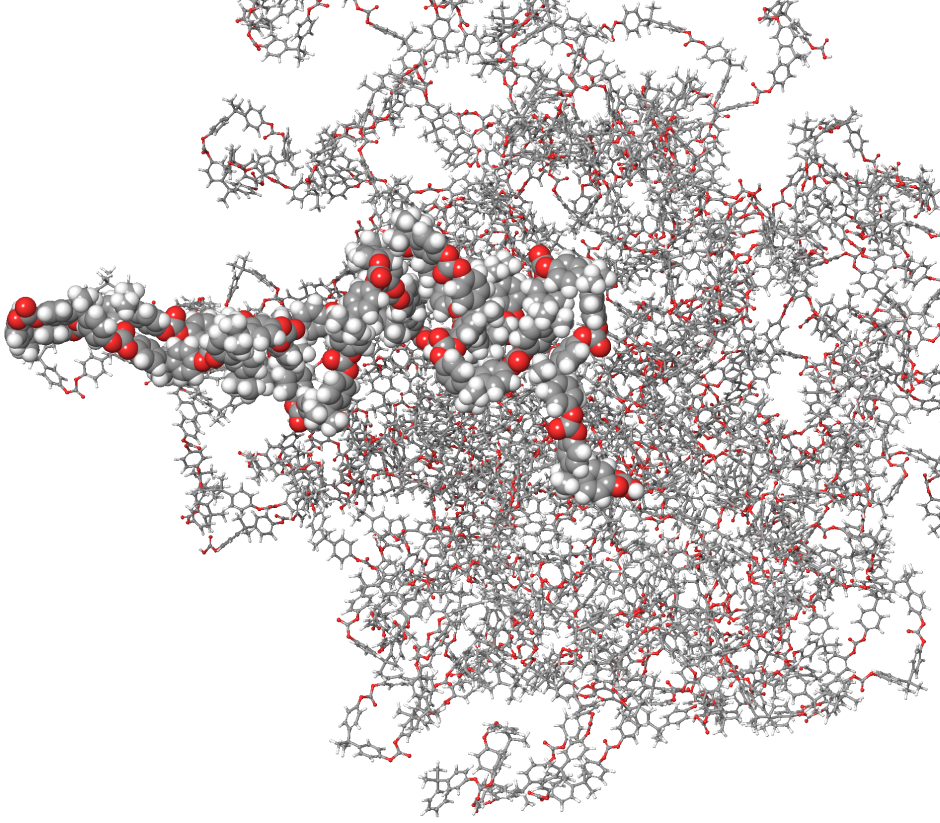
Force Field Builder is designed to provide force field parameters for torsions that are not explicitly represented in the force field. The set of molecules is analyzed to locate such torsions, and then quantum mechanical calculations are performed to obtain parameters for the torsions. New parameters are seamlessly integrated into the OPLS4 parameters directory for easy use in subsequent simulations.

Key Capabilities

Build and optimize custom torsion parameters in OPLS4 force field for previously undefined bond dihedrals
Visualize force field torsion energy profile compared to quantum mechanical (QM) profile
Easily ensure that the best model is used in the calculation by seamless integration with FEP+

Documentation & Tutorials

Get answers to common questions and learn best practices for using Schrödinger’s software.

Materials Science Documentation

Force Field Builder

Customize torsions not explicitly included in the OPLS4 or OPLS5 force field by fitting to quantum-mechanical calculations for a set of molecules.

Related Products

Learn more about the related computational technologies available to progress your research projects.

MS Maestro

Complete modeling environment for your materials discovery

Desmond

High-performance molecular dynamics (MD) engine providing high scalability, throughput, and scientific accuracy

FEP+

High-performance free energy calculations for drug discovery

OPLS4 & OPLS5 Force Field

A modern, comprehensive force field for accurate molecular simulations

MS CG

Efficient coarse-grained (CG) molecular dynamics (MD) simulations for large systems over long time scales

MS Penetrant Loading

Molecular dynamics (MD) modeling for predicting water loading and small molecule gas adsorption capacity of a condensed system

MS Transport

Efficient molecular dynamics (MD) simulation tool for predicting liquid viscosity, conductivity and diffusions of atoms and molecules

Publications

Browse the list of peer-reviewed publications using Schrödinger technology in related application areas.

Life Science Publication

A robust crystal structure prediction method to support small molecule drug development with large scale validation and blind study

Life Science Publication

Towards automated physics-based absolute drug residence time predictions

Life Science Publication

Accurate physics-based prediction of binding affinities of RNA- and DNA-targeting ligands

Life Science Publication

Lead optimization of small molecule ENL YEATS inhibitors to enable in vivo studies: Discovery of TDI-11055

Materials Science Publication

Physics-based molecular modeling of biosurfactants

Materials Science Publication

Development of Scalable and Generalizable Machine Learned Force Field for Polymers

Materials Science Publication

High-Throughput Molecular Dynamics Simulations and Validation of Thermophysical Properties of Polymers for Various Applications

Training & Resources

Online certification courses

Level up your skill set with hands-on, online molecular modeling courses. These self-paced courses cover a range of scientific topics and include access to Schrödinger software and support.

Tutorials

Learn how to deploy the technology and best practices of Schrödinger software for your project success. Find training resources, tutorials, quick start guides, videos, and more.
MS Maestro

MS Maestro

Complete modeling environment for your materials discovery

Materials Science: Maestro

Discover better materials, faster

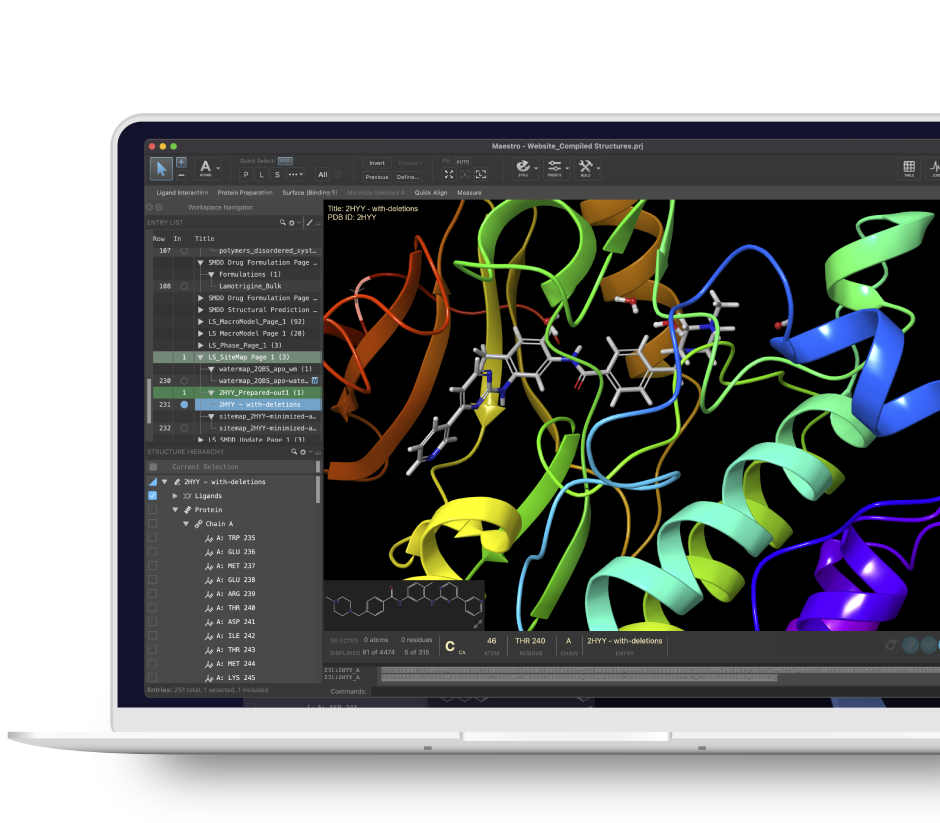
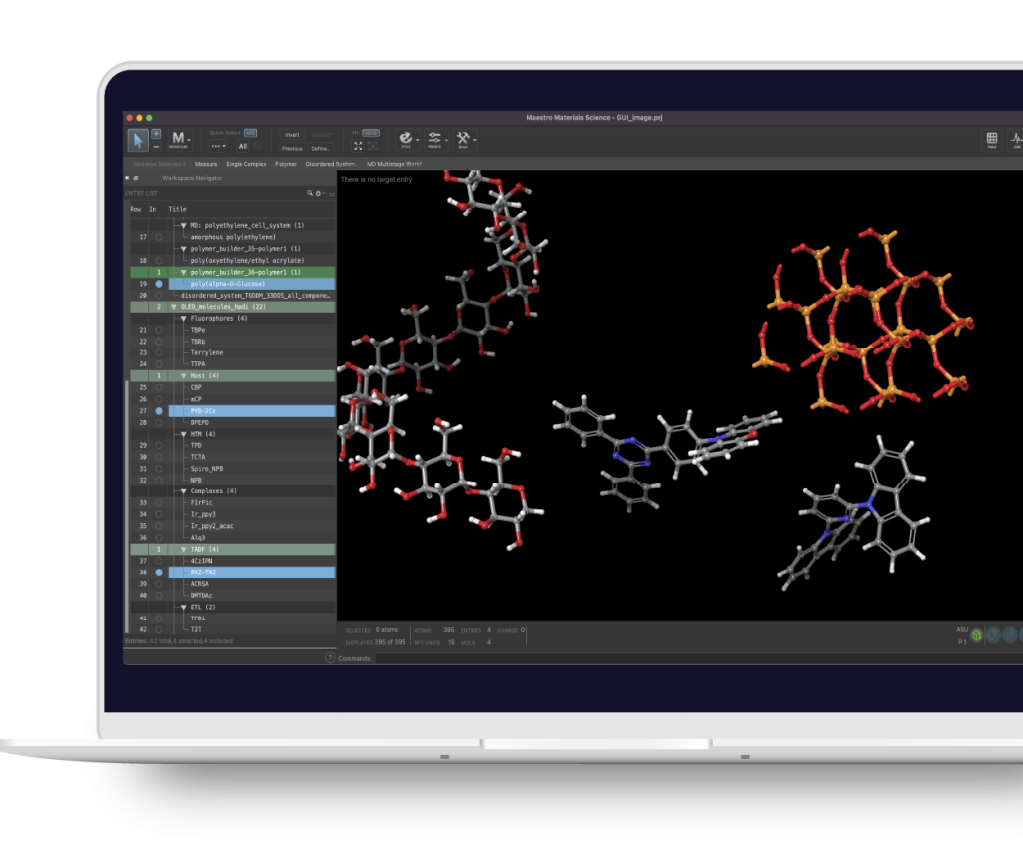
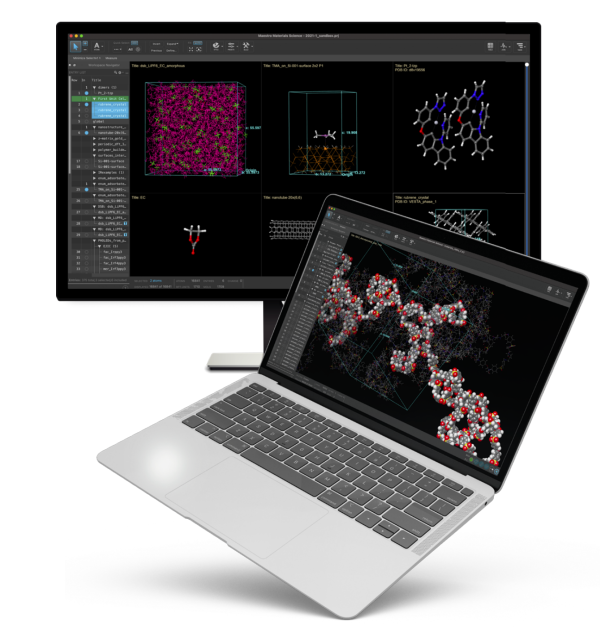
MS Maestro is a streamlined interface for atomic-scale structural visualization, cutting-edge physics-based computational modeling, and machine learning workflows for materials discovery and analysis. MS Maestro provides insights into the mechanisms and properties of materials and chemical systems in a wide range of technological applications such as catalysis, polymers, batteries, consumer packaged goods, renewable energy, and semiconductors to accelerate materials innovation.

bg-circle

Supercharge materials discovery with an integrated molecular modeling platform

Unified molecular modeling environment

  • Access integrated workflows and analysis tools with automated simulations powered by quantum mechanics (QM), molecular dynamics (MD), and molecular mechanics (MM)
  • Benefit from pre-configured and customizable workflows for performing best-in-class molecular simulations

Portal to state-of-the art machine learning workflows

  • Take advantage of advanced machine learning and informatics tools for chemistry
  • Access pre-built machine learning models for predicting key materials properties
  • Automate model building and validation processes with the support of wide feature space and a variety of regression methods

Intuitive, full-featured structure builders

  • Build realistic structural and system models of any materials type, including crystals, organometallic complexes, polymers, surfaces, interfaces, and more
  • Quickly and accurately render large-scale, complex materials models in 3D workspace

Intuitive chemical enumeration capabilities

  • Generate and store chemical structures through structural enumeration using advanced combinatorial chemistry tools
  • Build and manage large-scale chemical libraries with graphical user interface

Remote job management & cross-platform support

  • Manage large-scale computational modeling and simulation tasks on local/remote compute servers across Linux, Windows, Mac, and cloud
  • Make Maestro accessible to teams in a secure, virtual cloud environment
Integrated with LiveDesign for collaboration & model deployment

Integrated with LiveDesign for collaboration & model deployment

  • Crowdsource ideas and interactively revise design strategies with your colleagues — anytime, anywhere
  • Break down data silos and gain real-time access to all project data — virtual and experimental — in a single centralized platform

Case Studies & Webinars

Discover how Schrödinger technology is being used to solve real-world research challenges.

Materials Science Webinar

Taking experimentation digital: Materials innovation using atomistic simulation and machine learning at-scale

In this webinar, we introduce a modern approach to materials R&D using a digital chemistry platform for in silico analysis, optimization and discovery.

Materials Science Webinar

In silico materials development: Integrating atomistic simulation into academic chemistry and engineering labs

In this webinar, we explore Schrödinger’s leading physics-based and machine learning computational technologies and provide a comprehensive introduction to the capabilities of computational modeling in chemistry, materials science, and engineering.

Materials Science Webinar

Quick Start Workshop: Materials Simulation for Experimentalists

In this webinar, learn how an experimentalist can take advantage of simulation and modeling, as well as practical knowledge about how to get started.

Materials Science Webinar

A chemist’s view on R&D digitalization

In this webinar, we illustrate how the integration of Schrödinger’s machine learning technologies with physics based modelling can be utilized to predict properties of new materials.

Materials Science Webinar

Panel discussion: Materials design at scale

Materials Science Webinar

Perspectives in Computational Materials Design: Progress and Prospects

In this webinar, we present new strategies for multiparadigm simulations of nanoscale materials with applications to electrocatalysis, Li batteries, micelle formation, and ductile boron carbide.

Schrödinger Suite Release 2023-4

Materials Science Product Guide

Explore our complete guide to Schrödinger’s Materials Science products

Documentation & Tutorials

Get answers to common questions and learn best practices for using Schrödinger’s software.

Materials Science Tutorial

Crystal Structure Prediction: Part 2

Learn to perform more crystal structure prediction workflows on salts.

Materials Science Tutorial

Protein Characterization: Part 2

Explore the characterization of bovine β-lactoglobulin proteins across various pH levels by performing and analyzing molecular dynamics simulations.

Materials Science Tutorial

Building Epitaxial Interfaces

Build epitaxial interfaces between crystalline materials by finding compatible orientations via topological matching and generating slab models.

Materials Science Tutorial

Machine Learning with MPNICE Embedding

Learn to build, analyze, and apply ML models with MPNICE Embedding.

Materials Science Tutorial

Fine-Tuning Machine Learning Force Fields

Learn to fine-tune a pre-trained machine learning force field (MLFF) model to study lattice parameters of 2D materials.

Materials Science Tutorial

Protein Characterization: Part 1

Learn a protein characterization workflow: preparing the structure, analyzing surface properties, and performing mixed solvent molecular dynamics.

Materials Science Tutorial

De Novo Design of Novel Compounds with REINVENT

Learn to train a generative ML model with REINVENT to design new compounds with property constraints.

Materials Science Tutorial

Machine Learning for Formulations Containing Proteins

Learn to build machine learning models for formulations including proteins.

Materials Science Tutorial

Catalytic Selectivity Through Microkinetic Modeling

Learn to analyze the selectivity of the catalytic oxidation of CO and H2 on a Pd(111) surface using Microkinetic Modeling (MKM) calculations.

Materials Science Tutorial

Ionic Conductivity

Learn to calculate the ionic conductivity.

Broad applications across materials science research areas

MS Maestro provides a unified entry point for discovering molecular insights and accessing integrated solutions for:

Polymeric Materials
Pharmaceutical Formulations & Delivery
Energy Capture & Storage
Organic Electronics
Thin Film Processing
Catalysis & Reactivity
Metals, Alloys & Ceramics

Software and services built for your needs

Software Platform

Deploy digital materials discovery workflows with a comprehensive and user-friendly platform grounded in physics-based molecular modeling, machine learning, and team collaboration.

Research Services

Leverage Schrödinger’s expert computational scientists to assist at key stages in your materials discovery and development process.

Training & Resources

Online certification courses

Level up your skill set with hands-on, online molecular modeling courses. These self-paced courses cover a range of scientific topics and include access to Schrödinger software and support.

Tutorials

Learn how to deploy the technology and best practices of Schrödinger software for your project success. Find training resources, tutorials, quick start guides, videos, and more.
WaterMap

WaterMap

State-of-the-art, structure-based method for assessing the energetics of water-solvating ligand binding sites for ligand optimization

Background Image WaterMap

Discover new possibilities for ligand design

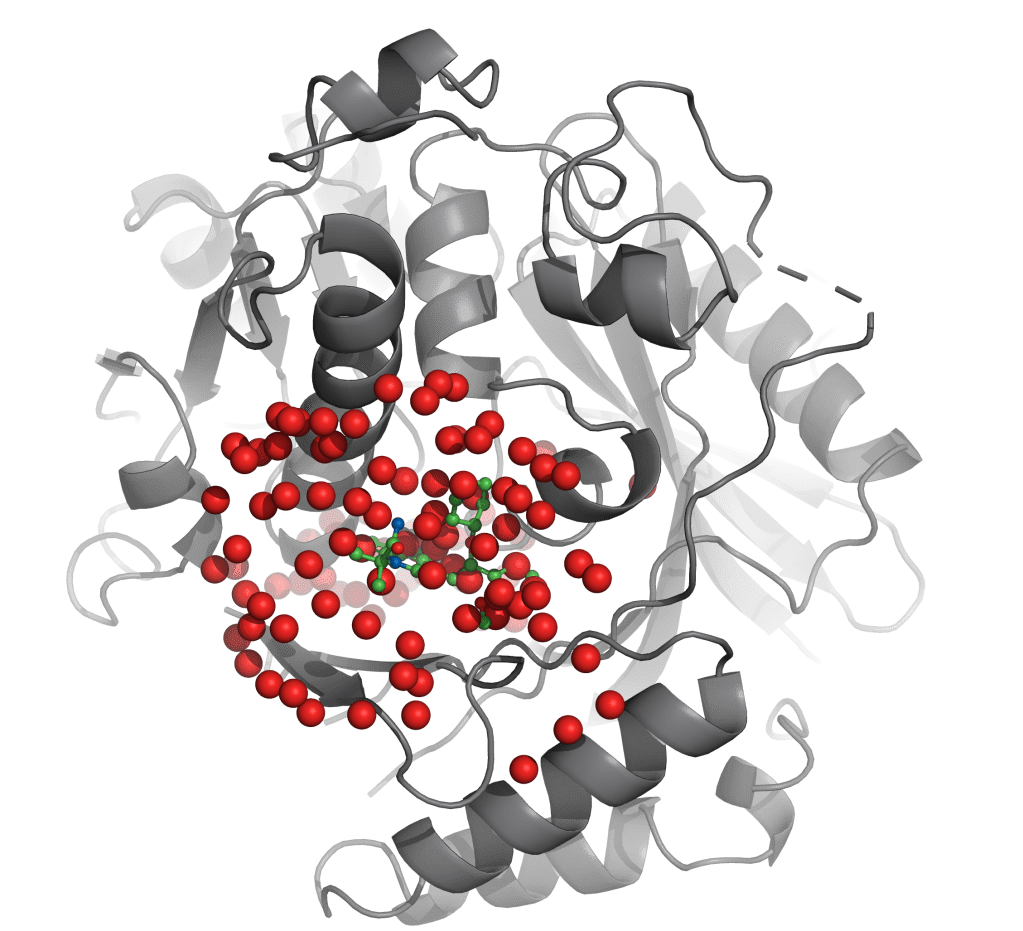
WaterMap is an advanced solution for the reliable calculation of positions and energies of solvating water in a protein binding pocket. By providing key insights to guide ligand design and optimization, WaterMap is a high impact solution for structure-based drug discovery, as demonstrated in several successful drug discovery programs now in clinical development.

Key Capabilities

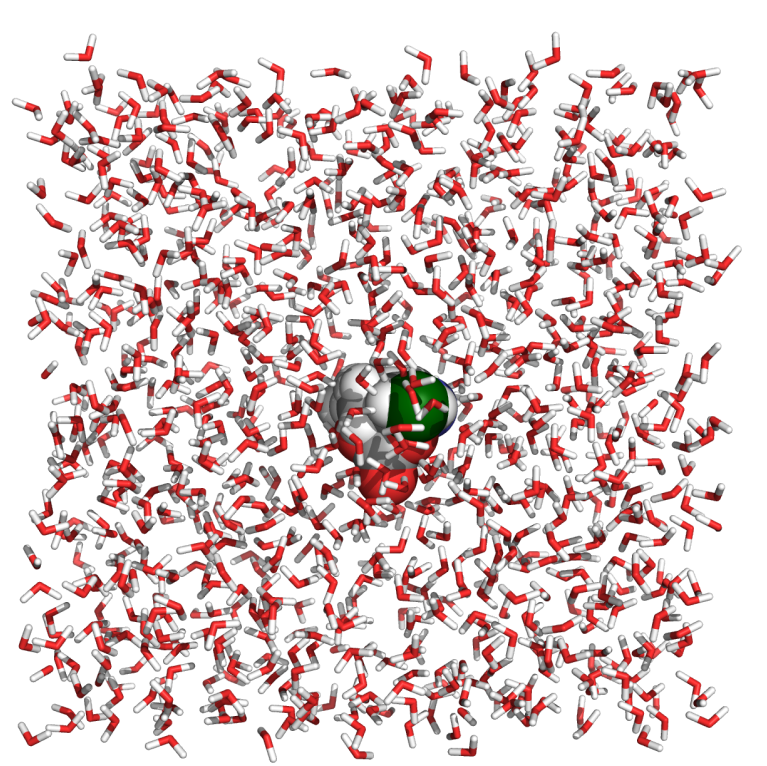
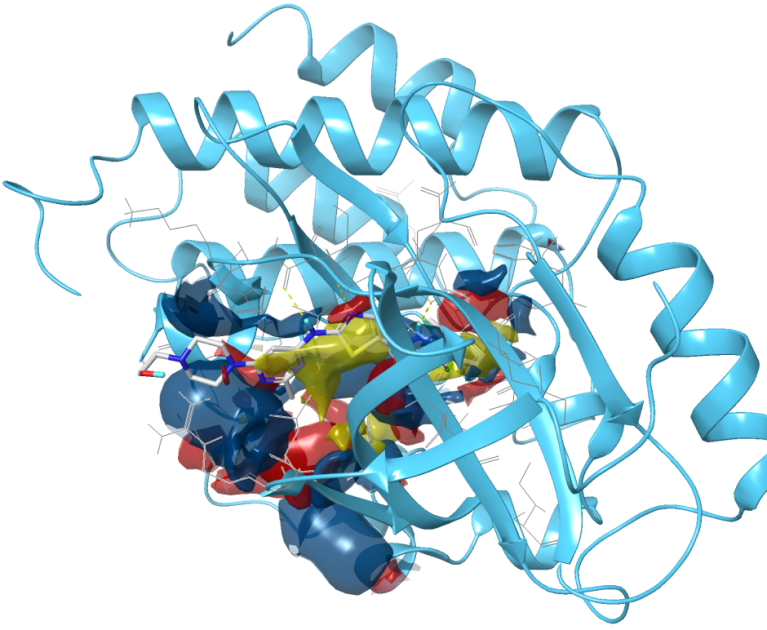
Predict the location and thermodynamic potential of high-energy, displaceable water molecules in the binding site to guide drug design
Gain insights into the pocket properties and hydrophobic forces driving the binding of small molecules
Visualize hydration sites for an easy method of interpreting SAR and gain insights to improve potency and selectivity
Apply WaterMap to a wide range of systems including enzymes, GPCRs, bromodomains, nucleic acids, and protein-protein interfaces
Case StudyDiscovery of a novel, potent ACC inhibitor using WaterMap

Computationally-guided design and assessment of water energetics in the binding site

Discovery of a novel, potent ACC inhibitor using WaterMap

See how Nimbus Therapeutics identified potent, selective inhibitors using a virtual screening workflow guided by hydration energetics.

read the case study

Publications

Browse the list of peer-reviewed publications using Schrödinger technology in related application areas.

Life Science Publication

Accelerated in silico discovery of SGR-1505: A potent MALT1 allosteric inhibitor for the treatment of mature B-cell malignancies

Life Science Publication

Knowledge and structure-based drug design of 15-PGDH inhibitors

Life Science Publication

Exploiting high-energy hydration sites for the discovery of potent peptide aldehyde inhibitors of the SARS-CoV-2 main protease with cellular antiviral activity

Life Science Publication

Linking ATP and allosteric sites to achieve superadditive binding with bivalent EGFR kinase inhibitors

Life Science Publication

Structure-Guided Design of a Domain-Selective Bromodomain and Extra Terminal N-Terminal Bromodomain Chemical Probe

Life Science Publication

Structural and mechanistic insights into the inhibition of respiratory syncytial virus polymerase by a non-nucleoside inhibitor

Life Science Publication

Discovery and Optimization of the First ATP Competitive Type-III c-MET Inhibitor

Life Science Publication

Discovery of an Oral, Beyond-Rule-of-Five Mcl-1 Protein–Protein Interaction Modulator with the Potential of Treating Hematological Malignancies

Life Science Publication

On Ternary Complex Stability in Protein Degradation: In Silico Molecular Glue Binding Affinity Calculations

Life Science Publication

Discovery of Potent and Orally Bioavailable Pyridine N-Oxide-Based Factor XIa Inhibitors through Exploiting Nonclassical Interactions

Documentation & Tutorials

Get answers to common questions and learn best practices for using Schrödinger’s software.

Life Science Documentation

WaterMap

Efficiently converged MD simulations are run with explicit water molecules, and resultant trajectories are analyzed to cluster hydration sites.

Life Science Documentation

Learning Path: Computational Target Analysis

A structured overview of tools and workflows for understanding the structure and flexibility of biomacromolecules.

Life Science Tutorial

Identifying Binding Site Requirements and Lead Optimization with WaterMap

Examine results from WaterMap and WM/MM scoring to identify unstable waters and evaluate ligand binding.

Life Science Tutorial

Target Analysis with SiteMap and WaterMap

Identify potential active sites on a receptor.

Related Products

Learn more about the related computational technologies available to progress your research projects.

Glide

Industry-leading ligand-receptor docking solution

FEP+

High-performance free energy calculations for drug discovery

LiveDesign

Your complete digital molecular design lab

Maestro

Complete modeling environment for your molecular discovery

Training & Resources

Online certification courses

Level up your skill set with hands-on, online molecular modeling courses. These self-paced courses cover a range of scientific topics and include access to Schrödinger software and support.

Tutorials

Learn how to deploy the technology and best practices of Schrödinger software for your project success. Find training resources, tutorials, quick start guides, videos, and more.

MS CG

MS CG

Efficient coarse-grained (CG) molecular dynamics (MD) simulations for large systems over long time scales

Materials Science: CG

Model large-scale structural equilibration and evolution to characterize complex systems

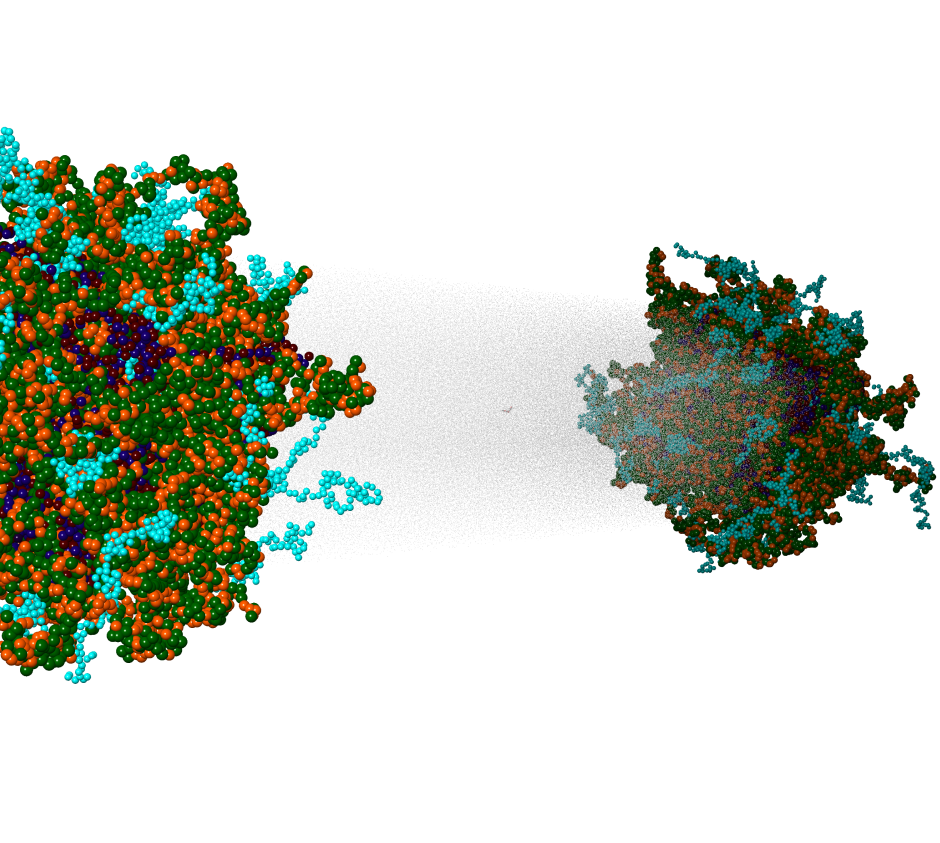
Critical phenomena for formulation and chemistry development such as phase separation and liquid structuring can occur at time and length scales that are difficult to access with all-atom (AA) molecular dynamics simulation.

MS CG (Materials Science Coarse-Grained Modeling) is intended for molecular dynamics simulations of larger bulk systems over a more extended period of time than AA models. MS CG provides an infrastructure to draw coarse-grained molecules and map from all-atom to coarse-grained structures automatically, as well as fit and assign coarse-grained force fields. Additionally, MS CG offers to backmap your evolved coarse-grained systems to their AA representations, closing the modeling loop to combine coarse-grained evolution efficiency with the detailed accuracy of AA characterization.

Key Capabilities

Easily build large systems of interest with flexible, intuitive workflows

  • Sketch CG molecules directly
  • Map all-atom molecules to CG models automatically for MARTINI or dissipative particle dynamics (DPD), or by user specification
  • Efficiently build CG polymers
  • Cross-link molecules in bulk systems
  • Provide different levels of models, from simple models with 10’s of atoms per bead to finer grained models with 2-10 atoms per bead
  • Build complex structures using CG molecules via a diverse set of builders

Improve your molecular dynamics simulation speeds

  • Achieve faster simulations often at near atomic detail
  • Study the behaviors of large collections of molecules extending beyond the typical atomistic simulation time

Backmap to an atomic system for detailed analysis

  • The efficiency of coarse-grained simulations to rapidly evolve the prior system is combined with the accuracy of atomic models for characterization

Perform advanced structural characterization: Extract insight from coarse-grained simulations using a broad range of tools designed for understanding structure and its evolution

  • CG trajectory viewing with the ability to rapidly measure geometric  features
  • Clustering analysis
  • Radial distribution functions
  • Density profiles
  • Free volume analysis
  • Membrane lipid tilt analysis

Predict key properties of systems

  • Access advanced workflows for predicting thermophysical, mechanical, and diffusion properties

Benefit from flexible support and out-of-the-box automation for widely used coarse-grained force fields

  • DPD with support for automatic AA to CG mapping and CG parametrization
  • MARTINI 2.x non-polarizable force field with support for automatic AA to CG mapping and CG parametrization for speciality chemicals and polymers
  • Generalized Lennard-Jones potentials with Coulombic interactions

Case studies & webinars

Discover how Schrödinger technology is being used to solve real-world research challenges.

Materials Science Case Study

Advancing sustainable food processing through integrated experimental and molecular simulation approaches

Scientists from Schrödinger and UMass carried out comprehensive studies experimentally and computationally to investigate the key properties and extrusion performance of zein-formulated meat alternatives.

Materials Science Case Study

The Future of Food: Molecular Simulations and AI/ML Reshaping Product Development

Materials Science Case Study

Advancing the design and optimization of drug formulations with combined computational and experimental approaches

Materials Science Case Study

Characterizing lipid nanoparticle self-assembly and structure using coarse-grained simulations

Materials Science Webinar

Schrödinger Materials Science Seminar Japan 2024 

《無料Webセミナー》材料開発向けシミュレーション・ソフトウェアおよびマテリアルズ・インフォマティクスの活用事例を紹介。

Materials Science Webinar

Taking experimentation digital: Materials innovation using atomistic simulation and machine learning at-scale

In this webinar, we introduce a modern approach to materials R&D using a digital chemistry platform for in silico analysis, optimization and discovery.

Materials Science Webinar

Beyond AI: The importance of physics-based simulations in next generation food design

In this webinar, we explore how physics-based simulations are used in food research and the synergy that can be achieved when they are combined with machine learning models.

Materials Science Webinar

Chemical innovation for regulatory changes: Leveraging digital simulations for efficient molecular design

In this webinar, we explore how digital simulations and molecular modeling tools can be leveraged to better screen substitute chemistry.

Materials Science Case Study

Advancing the design and optimization of drug formulations with coarse-grained molecular simulations 

Materials Science Webinar

In silico materials development: Integrating atomistic simulation into academic chemistry and engineering labs

In this webinar, we explore Schrödinger’s leading physics-based and machine learning computational technologies and provide a comprehensive introduction to the capabilities of computational modeling in chemistry, materials science, and engineering.

Broad applications across materials science research areas

Get more from your ideas by harnessing the power of large-scale chemical exploration and accurate in silico molecular prediction.

Polymeric Materials
Consumer Packaged Goods
Pharmaceutical Formulations & Delivery
Organic Electronics

Documentation & Tutorials

Get answers to common questions and learn best practices for using Schrödinger’s software.

Materials Science Tutorial

Creating a Coarse-Grained Model for Protein Formulations

Learn to use the Coarse-Grained Force Field Builder to automatically fit parameters to the Martini coarse-grained force field for a complex protein solution system.

Materials Science Documentation

MS CG

Efficient coarse-grained (CG) molecular dynamics (MD) simulations for large systems over long time scales.

Materials Science Tutorial

Nanoemulsions with Automated DPD Parameterization

Learn how to automatically build a coarse-grained force field for dissipative particle dynamics (DPD) from a nanoemulsions system with water and perform a molecular dynamics simulation.

Materials Science Tutorial

Automated Dissipative Particle Dynamics (DPD) Parameterization

Learn how to build a coarse-grained force field for dissipative particle dynamics (DPD) from an all-atom system by automatically fitting coarse-grained parameters to reproduce an all-atom simulation.

Materials Science Documentation

Materials Science Panel Explorer

Quickly learn which Schrödinger tools are the best fit for your research.

Materials Science Tutorial

Building a Coarse-Grained Skin Model using Martini Force Field

Build a coarse-grained model of a hydrated skin bilayer with Martini force field parameters using two different methods.

Materials Science Tutorial

Ibuprofen Cyclodextrin Inclusion Complexes with the Martini Coarse-Grained Force Field

Learn to prepare and simulate a coarse-grained formulation containing ibuprofen and beta-cyclodextrin with the Martini force field.

Materials Science Tutorial

Building a Coarse-Grained Surfactant Model with Martini Force Field

Build a surfactant model with coarse-grained representations of PEG and water, perform and analyze simulations on the model.

Materials Science Tutorial

Building a Coarse-Grained Polymer Model using Dissipative Particle Dynamics

Build a coarse-grained polymer chain and use it to construct an amorphous cell for a dissipative particle dynamics simulation.

Related Products

Learn more about the related computational technologies available to progress your research projects.

Desmond

High-performance molecular dynamics (MD) engine providing high scalability, throughput, and scientific accuracy

MS Maestro

Complete modeling environment for your materials discovery

MS Transport

Efficient molecular dynamics (MD) simulation tool for predicting liquid viscosity, conductivity and diffusions of atoms and molecules

OPLS4 & OPLS5 Force Field

A modern, comprehensive force field for accurate molecular simulations

Publications

Browse the list of peer-reviewed publications using Schrödinger technology in related application areas.

Materials Science Publication

Data-Driven Design of Organic Semiconductors Exhibiting Low Reorganization Energy via Hierarchical Variational Autoencoders, Gaussian Mixture Regression, and Bayesian Optimization

Materials Science Publication

Material Property Simulation for Advanced Packaging

Materials Science Publication

Structure-based calculation of excipient effects on the viscosity of concentrated antibody solutions

Materials Science Publication

RedCat, an automated discovery workflow for aqueous organic electrolytes

Materials Science Publication

Band Gap and Reorganization Energy Prediction of Conducting Polymers by the Integration of Machine Learning and Density Functional Theory

Materials Science Publication

Designing polymersomes with surface-integrated nanoparticles through hierarchical phase separation

Materials Science Publication

Synthesis, optical and electrochemical properties of thiophene and thieno [3, 2-b] thiophene linked with structurally modified rhodanine based copolymers

Materials Science Publication

Stability enhancement of Amphotericin B using 3D printed biomimetic polymeric corneal patch to treat fungal infections

Materials Science Publication

Advancing efficiency in deep-blue OLEDs: Exploring a machine learning–driven multiresonance TADF molecular design

Life Science Publication

Predicting the Release Mechanism of Amorphous Solid Dispersions: A Combination of Thermodynamic Modeling and In Silico Molecular Simulation

Training & Resources

Pharmaceutical Formulations Course

Molecular and periodic quantum mechanics, all- atom molecular dynamics, and coarse-grained approaches for studying active pharmaceutical ingredients and their formulations.

Tutorials

Learn how to deploy the technology and best practices of Schrödinger software for your project success. Find training resources, tutorials, quick start guides, videos, and more.
MS Dielectric

MS Dielectric

Automatic workflow to calculate dielectric properties and refractive index

Materials Science: Dielectric

Overview

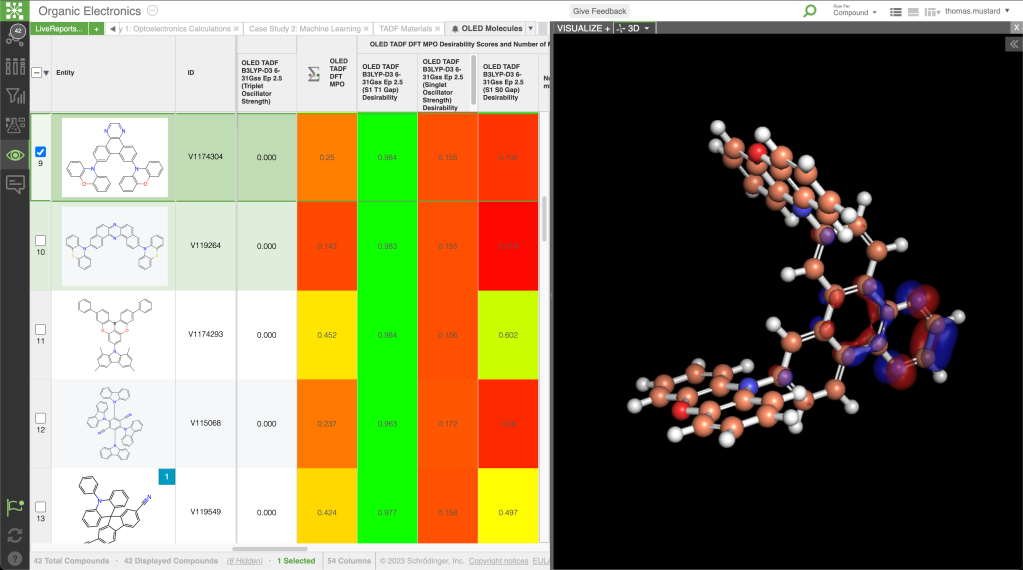
MS Dielectric employs both Jaguar quantum mechanics (QM) and Desmond molecular dynamics (MD) calculations to obtain key optical and dielectric properties. With simple settings and input of only a single molecule or polymer monomer, all the subsequent system building, simulations, and analyses are performed automatically.

Key Capabilities

Check mark icon
Compute dielectric properties of molecular and polymer materials with combined QM & MD workflows
Check mark icon
Calculate the refractive index and Abbe number of molecular and polymer materials
Check mark icon
Simulate and plot complex dielectric constant and dielectric loss versus frequency

Case Study

Battery and energy storage materials

Schrödinger’s Materials Science software platform provides a powerful atomic-scale modeling solution for comprehensive analysis of ion diffusion, mechanical response, and electrochemical response in electrodes and electrolytes, dielectric properties of potential electrolyte compounds, and other relevant properties.

Broad applications across materials science research areas

Get more from your ideas by harnessing the power of large-scale chemical exploration and accurate in silico molecular prediction.

Organic Electronics
Polymeric Materials
Energy Capture & Storage
Catalysis & Reactivity

Documentation & Tutorials

Get answers to common questions and learn best practices for using Schrödinger’s software.

Materials Science Documentation

MS Dielectric

An automatic workflow to calculate dielectric properties and refractive index.

Materials Science Documentation

Materials Science Panel Explorer

Quickly learn which Schrödinger tools are the best fit for your research.

Materials Science Tutorial

Liquid Electrolyte Properties: Part 1

Learn to perform a variety of calculations on a liquid electrolyte system using Materials Science (MS) Maestro. These properties include: density, radial distribution function, viscosity, and dielectric properties such as polarizability, refractive index, and dielectric constant.

Materials Science Tutorial

Dielectric Properties

Learn how to obtain dielectric and optical properties of organic molecules and polymers.

Related Products

Learn more about the related computational technologies available to progress your research projects.

Jaguar

Quantum mechanics solution for rapid and accurate prediction of molecular structures and properties

Desmond

High-performance molecular dynamics (MD) engine providing high scalability, throughput, and scientific accuracy

MS Maestro

Complete modeling environment for your materials discovery

Case studies & webinars

Discover how Schrödinger technology is being used to solve real-world research challenges.

Materials Science Webinar

Atomic layer deposition: Bridging theory and experiment to design a process for silicon carbonitride

MAR 19, 2026 | SchrödingerとLam Researchのコラボレーション事例を通じて、計算科学(DFT)と実験(RGA、FTIR)を組み合わせ、最適な前駆体を効率的に選定するアプローチをご紹介します。

Materials Science Webinar

Digital forum on atomic layer deposition: Bridging theory and experiment to design a process for silicon carbonitride

Join us as we discuss how effectively theory and experiment are working together to solve the R&D challenges facing high-tech industries.

Materials Science Webinar

Electrodes, electrolytes & interfaces: Harnessing molecular simulation and machine learning for rapid advancements in battery materials development

In this webinar, we demonstrate the application of automated solutions for accurate prediction of electrode materials.

Materials Science Webinar

Schrödinger Materials Science Seminar Japan 2024 

《無料Webセミナー》材料開発向けシミュレーション・ソフトウェアおよびマテリアルズ・インフォマティクスの活用事例を紹介。

Materials Science Webinar

Taking experimentation digital: Materials innovation using atomistic simulation and machine learning at-scale

In this webinar, we introduce a modern approach to materials R&D using a digital chemistry platform for in silico analysis, optimization and discovery.

Materials Science Webinar

In silico materials development: Integrating atomistic simulation into academic chemistry and engineering labs

In this webinar, we explore Schrödinger’s leading physics-based and machine learning computational technologies and provide a comprehensive introduction to the capabilities of computational modeling in chemistry, materials science, and engineering.

Materials Science Case Study

Molecular dynamics simulations accelerate the development and optimization of recyclable tire materials

Materials Science Case Study

Exploration and validation of polycyanurate thermoset crosslinking mechanisms

Materials Science Webinar

Battery Tech – Leveraging Atomic Scale Modeling for Design and Discovery of Next-Generation Battery Materials

In this webinar, we present an advanced digital chemistry platform for developing next-generation battery materials with improved properties.

Materials Science Webinar

Chinese: 利用原子尺度建模设计和发现下一代电池材料 | Leveraging Atomic Scale Modeling for Design and Discovery of Next-Generation Battery Materials

This webinar discussed how to drive the development of novel battery materials with molecular simulations.

Training & Resources

Online certification courses

Level up your skill set with hands-on, online molecular modeling courses. These self-paced courses cover a range of scientific topics and include access to Schrödinger software and support.

Tutorials

Learn how to deploy the technology and best practices of Schrödinger software for your project success. Find training resources, tutorials, quick start guides, videos, and more.
Virtual Cluster

SCHRÖDINGER VIRTUAL CLUSTER

Cloud Computing Environment

A secure, scalable environment for running simulations on the cloud

Virtual Cluster

Simplify your high-performance compute infrastructure with a turn-key cloud environment

The Schrödinger Virtual Cluster is an enabling technology that provides access to Schrödinger software in a standardized, secure, and scalable cloud computing environment. The Virtual Cluster includes pre-configured Schrödinger software, job compute orchestration, a web portal for accessing Maestro and MS Maestro software, and all maintenance and quarterly software release updates.

Strategically partnered with Google Cloud and NVIDIA, Schrödinger offers access to a near-infinite volume of processing power on demand, allowing users to run simulations that require bursts of on-demand compute power, surpassing what can be supplied by on-premise data centers.

Virtual Cluster graphic

Key Capabilities

Automatically scale your compute resources to meet your project demands

The Virtual Cluster automatically provisions compute resources based on the workload requirements, license availability, and configurable scheduling rules.

Reduce your infrastructure maintenance burden

Includes a ready-to-use cloud environment with pre-installed Schrödinger software and all routine cluster maintenance by Schrödinger Solution Architects.

Bring your own cloud or use a Schrödinger-hosted solution

Host the virtual cluster in your own cloud account (all major cloud providers are supported, including Google Cloud, AWS, and Azure) or use a Schrödinger-hosted solution.

Stay confident in your cloud security

Penetration testing is performed, security best-practices incorporated, and automated security scanning applied using industry standard tools on all Schrödinger-hosted systems.

Related Resources

Discover how Schrödinger’s technology is being used to solve real-world research challenges.

Related Products

Learn more about the related computational technologies available to progress your research projects.

Maestro

Complete modeling environment for your molecular discovery

Desmond

High-performance molecular dynamics (MD) engine providing high scalability, throughput, and scientific accuracy

Jaguar

Quantum mechanics solution for rapid and accurate prediction of molecular structures and properties

DeepAutoQSAR

Automated, scalable solution for the training and application of predictive machine learning models

Training & Resources

Online certification courses

Level up your skill set with hands-on, online molecular modeling courses. These self-paced courses cover a range of scientific topics and include access to Schrödinger software and support.

Tutorials

Learn how to deploy the technology and best practices of Schrödinger software for your project success. Find training resources, tutorials, quick start guides, videos, and more.

SiteMap

SiteMap

Fast, accurate, and intuitive binding site identification

Industry-leading platform to discover and optimize better molecules, faster

Understand protein binding sites to enhance drug design

Identifying druggable pockets is an important early challenge in a structure-based first-in-class drug discovery project. However, locating these sites in drug design projects is often challenging. SiteMap’s proven algorithm helps identify binding sites, including allosteric binding sites and protein-protein interfaces, and evaluate their druggability. In addition to impacting lead discovery, SiteMap can assist researchers in lead optimization by providing insights into potential ligand-receptor interactions which can then guide modification of lead compounds to increase their binding potency.


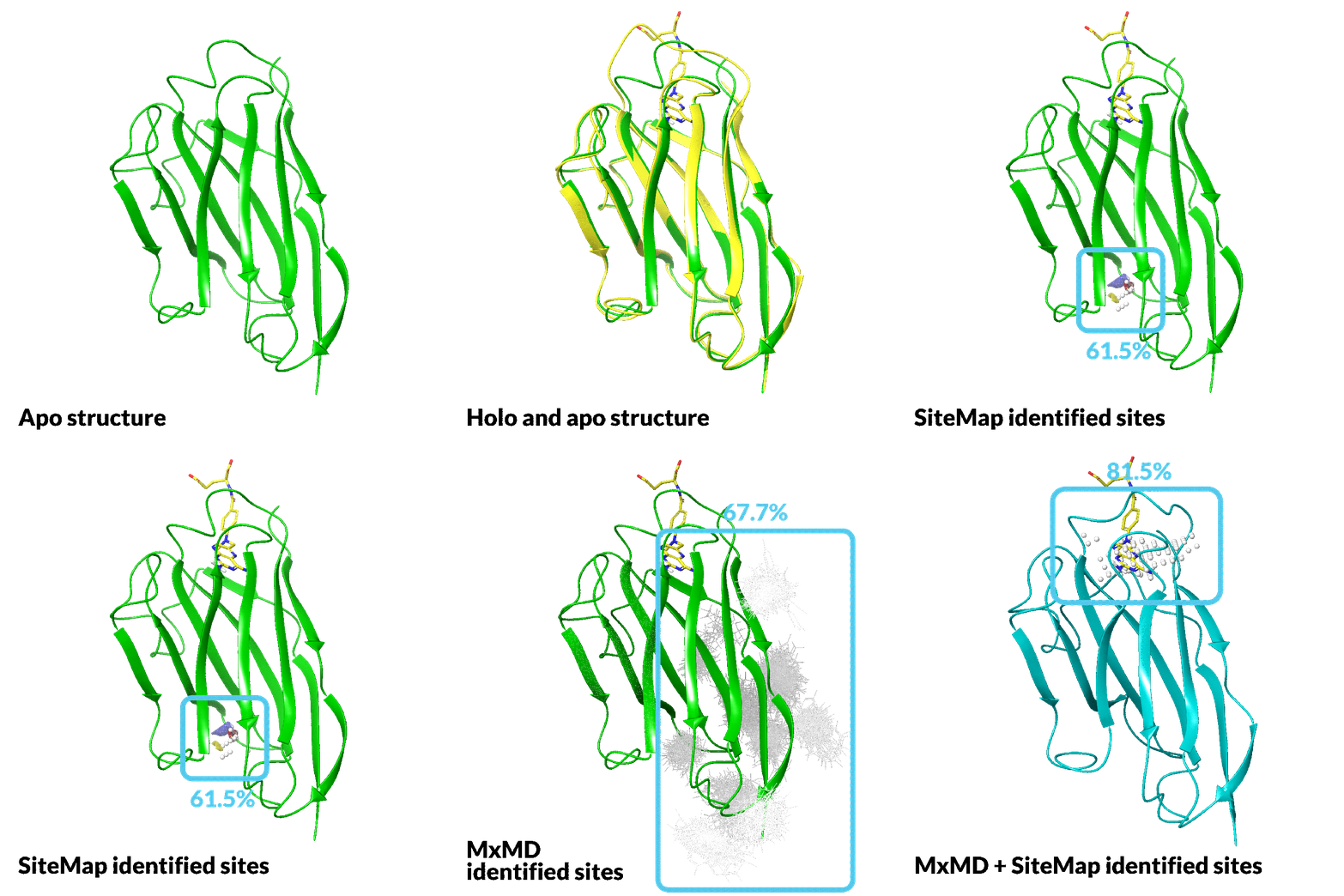
Updated computational workflow to reveal and identify cryptic binding sites

Mixed solvent molecular dynamics (MxMD) plus SiteMap workflow: Enhance cryptic binding site identification with this new in silico workflow

MxMD + SiteMap achieved a 81.5% Top-5 found rate of known cryptic binding sites in apo structures from a set of 65 apo/holo PDBs, compared to only 49.2% with SiteMap alone and 67.7% with MxMD alone.

Key Capabilities

Rapidly identify and rank binding sites

Locate binding sites whose size, functionality, and extent of solvent exposure meet user specifications. Rank possible binding sites using physics-based criteria tuned to eliminate those not likely to be pharmaceutically relevant using SiteScore, the scoring function used to assess a site’s propensity for ligand binding.

Easily visualize binding sites

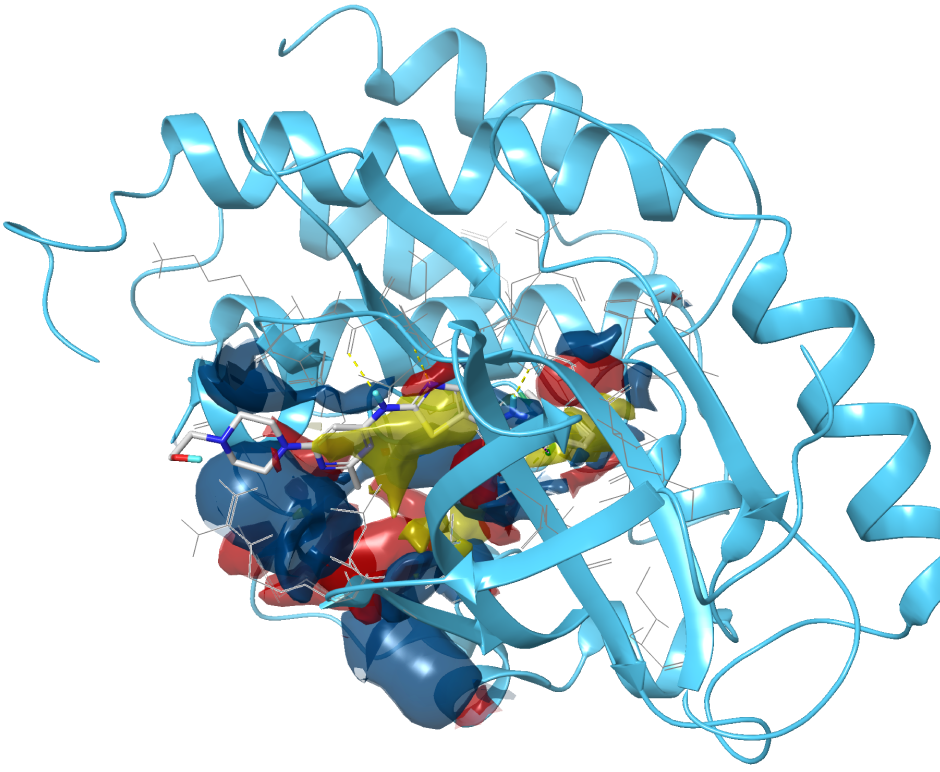
Easily visualize binding sitesIdentify regions within the binding site suitable for occupancy by hydrophobic groups or by ligand hydrogen-bond donors, acceptors, or metal-binding functionality. Distinguish different binding site sub-regions which allows for ready assessment of a ligand’s complementarity.

Seamlessly proceed to docking and virtual screens on identified sites

Easily use identified sites to set up docking models for structure-based virtual screening experiments with Glide.

Explore binding sites to guide ligand design

Use generated binding site maps to guide what types of ligand modifications would be expected to promote binding.

Documentation & Tutorials

Get answers to common questions and learn best practices for using Schrödinger’s software.

Life Science Tutorial

Learning Path: Cyclic Peptide Modeling

A structured overview of tools and workflows for cyclic peptides in drug discovery.

Life Science Documentation

Learning Path: Oligonucleotide Modeling

A structured overview of tools and workflows for nucleic acids in drug discovery.

Life Science Tutorial

Analyzing Binding Sites of Nucleic Acids with SiteMap

Identification and evaluation of binding sites in nucleic acid structures with SiteMap.

Life Science Documentation

SiteMap

Identify binding sites, including allosteric binding sites and protein-protein interfaces, and evaluate their druggability.

Life Science Documentation

Learning Path: Computational Target Analysis

A structured overview of tools and workflows for understanding the structure and flexibility of biomacromolecules.

Life Science Tutorial

Target Analysis with SiteMap and WaterMap

Identify potential active sites on a receptor.

Related Products

Learn more about the related computational technologies available to progress your research projects.

Maestro

Complete modeling environment for your molecular discovery

Glide

Industry-leading ligand-receptor docking solution

FEP+

High-performance free energy calculations for drug discovery

WaterMap

State-of-the-art, structure-based method for assessing the energetics of water solvating ligand binding sites for ligand optimization

Publications

Browse the list of peer-reviewed publications using Schrödinger technology in related application areas.

Life Science Publication

Enabling in-silico Hit Discovery Workflows Targeting RNA with Small Molecules

Materials Science Publication

Steviol rebaudiosides bind to four different sites of the human sweet taste receptor (T1R2/T1R3) complex explaining confusing experiments

Materials Science Publication

Virtual Screening of Soybean Protein Isolate-Binding Phytochemicals and Interaction Characterization

Life Science Publication

Structure-based assessment and druggability classification of protein-protein interaction sites

Life Science Publication

Toward in vivo-relevant hERG safety assessment and mitigation strategies based on relationships between non-equilibrium blocker binding, three-dimensional channel-blocker interactions, dynamic occupancy, dynamic exposure, and cellular arrhythmia

Life Science Publication

Small-molecule targeting of MUSASHI RNA-binding activity in acute myeloid leukemia

Life Science Publication

Mechanistic and Computational Studies of the Reductive Half-Reaction of Tyrosine to Phenylalanine Active Site Variants of d-Arginine Dehydrogenase

Life Science Publication

A Computational Approach to Enzyme Design: Predicting ‘-Aminotransferase Catalytic Activity Using Docking and MM-GBSA Scoring

Life Science Publication

Improved docking of polypeptides with Glide

Life Science Publication

Identifying and characterizing binding sites and assessing druggability

Training & Resources

Online certification courses

Level up your skill set with hands-on, online molecular modeling courses. These self-paced courses cover a range of scientific topics and include access to Schrödinger software and support.

Tutorials

Learn how to deploy the technology and best practices of Schrödinger software for your project success. Find training resources, tutorials, quick start guides, videos, and more.

Maestro

Maestro

Complete modeling environment for your molecular discovery

Life Science: Maestro

Discover better quality molecules, faster

Maestro is Schrödinger’s streamlined portal for access to state-of-the-art predictive computational modeling and machine learning workflows for molecular discovery. With an intuitive, advanced graphical user interface, Maestro provides users of all experience levels a unified entry point for gaining novel molecular insights to drive their research.

Advantages of Maestro for molecular design and discovery

Easy-to-use graphical interface

Create models and analyze results with a simple, guided graphical user interface and step-by-step workflows

Decades of innovation at your fingertips

Access technology backed by 30+ years of scientific R&D and validated by thousands of customers across the globe

Fully integrated portal

Benefit from a unified entry point to a wide range of molecular simulation technologies, accessible for users of all experience levels

bg-circle

Power your drug discovery with an integrated platform

Access broad molecular modeling and machine learning capabilities

  • Connect to a diversity of industry-leading computational tools through a single intuitive interface
  • Benefit from workflows that are easily searchable and anticipate next steps in common workflows

Model and interpret molecular interactions that aid in design

  • Reveal structural insights interactively through linked workspace and analysis panels by simply selecting atoms
  • Read molecules in multiple formats and generate design ideas to facilitate molecular exploration

Easily export models for team-wide collaborative molecular design

  • Eliminate data silos and improve team collaboration with tightly coupled digital solutions
  • Import/export structures and models between Maestro and LiveDesign to streamline the discovery process

Simplify your infrastructure by accessing Maestro on the cloud

  • Make Maestro accessible to teams in a secure, virtual cloud environment
  • Easily scale compute resources to meet your demands

Documentation & Tutorials

Get answers to common questions and learn best practices for using Schrödinger’s software.

Life Science Tutorial

Protein Characterization: Part 2

Explore the characterization of bovine β-lactoglobulin proteins across various pH levels by performing and analyzing molecular dynamics simulations.

Life Science Tutorial

Protein Characterization: Part 1

Learn a protein characterization workflow: preparing the structure, analyzing surface properties, and performing mixed solvent molecular dynamics.

Life Science Tutorial

Simulating Complex Protein Solutions

Learn to prepare a complex protein system for a Molecular Dynamics (MD) simulation.

Life Science Tutorial

Creating a Coarse-Grained Model for Protein Formulations

Learn to use the Coarse-Grained Force Field Builder to automatically fit parameters to the Martini coarse-grained force field for a complex protein solution system.

Life Science Tutorial

Building and Analyzing a Complex Lipid Bilayer and Embedding a Membrane Protein

Learn to build and analyze a complex lipid bilayer and how to embedd a protein.

Life Science Documentation

Learning Path: Oligonucleotide Modeling

A structured overview of tools and workflows for nucleic acids in drug discovery.

Life Science Tutorial

Potency Predictions for RNA-Binding Small Molecules Using RB-FEP

Performing RB-FEP calculations to predict binding affinities for congeneric ligands binding to an RNA receptor.

Life Science Tutorial

Forming RNA – Ligand Interactions with Ligand Designer

Modify ligand bound to RNA receptor to improve binding affinity using Ligand Designer.

Life Science Tutorial

Small Molecule – Oligonucleotide Docking with Glide

Generate receptor grid, dock co-crystal and congeneric ligands, and analyze the results.

Life Science Tutorial

Analyzing Binding Sites of Nucleic Acids with SiteMap

Identification and evaluation of binding sites in nucleic acid structures with SiteMap.

Broad application across drug discovery

Structure Prediction & Target Enablement
Hit Discovery
Hit-to-Lead & Lead Optimization
Drug Formulation 

Case studies & webinars

Discover how Schrödinger technology is being used to solve real-world research challenges.

Life Science Webinar

Building a biotech: Enabling a successful digital drug discovery program with a connected platform

Join us to see how this powerful solution can accelerate your DMTA cycles and enable your teams – this isn’t about complex simulations, it’s about giving your team the tools they need to make better decisions, faster.

Life Science Webinar

Building a biotech: Enabling a successful digital drug discovery program with a connected platform

Join us to see how this powerful solution can accelerate your DMTA cycles and enable your teams – this isn’t about complex simulations, it’s about giving your team the tools they need to make better decisions, faster.

Training & Resources

Online certification courses

Level up your skill set with hands-on, online molecular modeling courses. These self-paced courses cover a range of scientific topics and include access to Schrödinger software and support.

Tutorials

Learn how to deploy the technology and best practices of Schrödinger software for your project success. Find training resources, tutorials, quick start guides, videos, and more.
MS Reactivity

MS Reactivity

Automated workflows for design, optimization, and unsupervised mechanism discovery in molecular chemistry

Materials Science: Reactivity

Overview

MS Reactivity offers a comprehensive suite of computational capabilities that enable highly automated workflows for molecular (catalyst) design, reaction optimization, and unsupervised mechanism discovery in molecular chemistry. Its two flagship tools are Reaction Network Enumeration Profiler (RxnEnumProfiler) and Nanoreactor. Complementing these is CREST GUI, a user-friendly interface for CREST – a utility and driver program for the semiempirical quantum chemistry package xTB.

RxnEnumProfiler

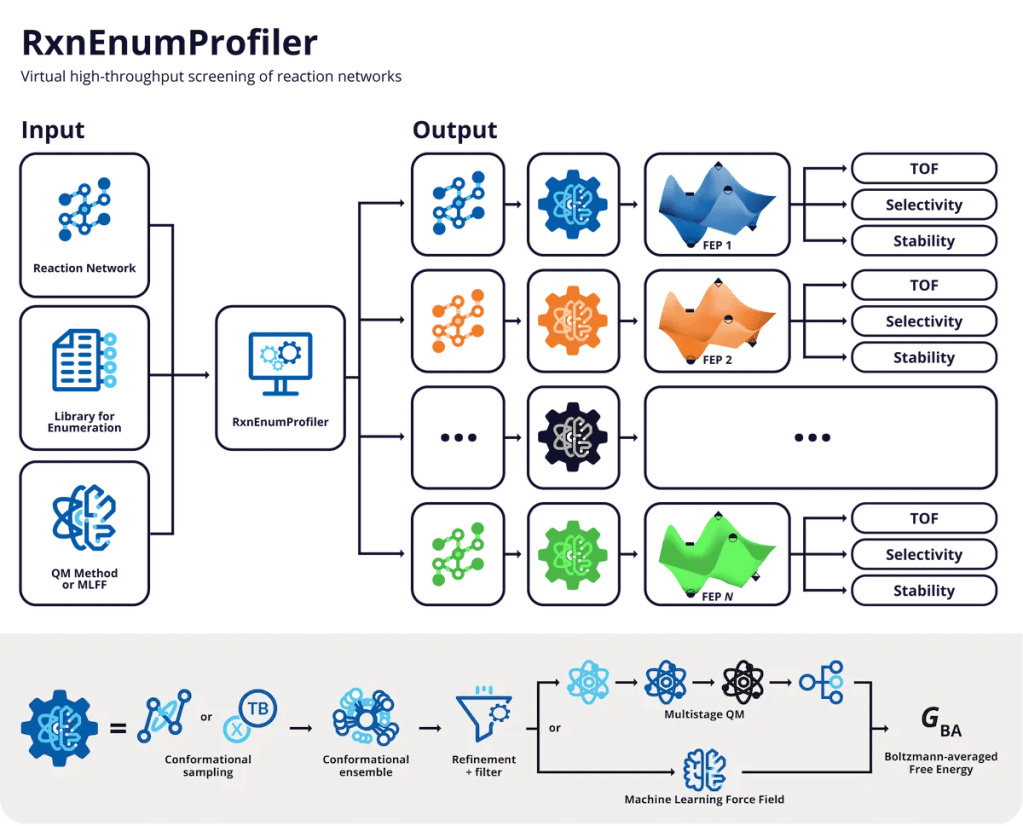
Virtual high-throughput screening (vHTS) of reaction networks is a computational strategy for systematically evaluating large libraries of chemical species within a fixed reaction topology—that is, a predefined sequence of mechanistic steps involving reactants, products, intermediates, and/or transition states that characterize a catalytic or chemical process. RxnEnumProfiler is a fully automated, massively parallel workflow specifically developed to enable this process. It functions by automatically enumerating a user-defined reference reaction network and computing the corresponding free energy profiles (FEPs). These profiles are calculated as either Boltzmann-averaged conformational ensemble Gibbs free energies (GBA) or lowest-energy conformer G values, based on a specified quantum mechanical level of theory.

RxnEnumProfiler. Virtual high-throughput screening of reaction networks


Nanoreactor

Automated reaction discovery lies at the heart of predictive chemistry, enabling chemists to design chemical processes that are smarter, faster, cleaner, and more efficient. Nanoreactor – Elementary Reaction Network, a tool by Schrödinger, automates the identification of energetically relevant elementary reactions starting from a known local minimum on the xTB potential energy surface, using root-mean-square deviation (RMSD)-based metadynamics. When combined with AutoTS, it enables efficient generation and refinement of an Elementary Reaction Network (ERN) using xTB, machine-learned force fields (MLFF), or DFT methods. Complementing this, Potential Energy Surface Sampling-Sorting enhances Nanoreactor’s capabilities by systematically exploring and ranking minima states on xTB, MLFF-corrected or DFT-corrected free energy surface. Since chemical reactions tend to follow the downhill path on the free energy surface, this feature focuses on pinpointing the most probable final products.

Nanoreactor graphic_desktop

Case studies & webinars

Discover how Schrödinger technology is being used to solve real-world research challenges.

Materials Science Webinar

Schrödinger Materials Science Seminar Japan 2024 

《無料Webセミナー》材料開発向けシミュレーション・ソフトウェアおよびマテリアルズ・インフォマティクスの活用事例を紹介。

Materials Science Webinar

Taking experimentation digital: Materials innovation using atomistic simulation and machine learning at-scale

In this webinar, we introduce a modern approach to materials R&D using a digital chemistry platform for in silico analysis, optimization and discovery.

Materials Science Webinar

Automated digital prediction of chemical degradation products

In this webinar, we present Schrödinger’s enhanced Nanoreactor, expanding upon the tool developed by Grimme and co-workers with many new features, including improved energy refinement of results and integrated user interface.

Materials Science Webinar

In silico materials development: Integrating atomistic simulation into academic chemistry and engineering labs

In this webinar, we explore Schrödinger’s leading physics-based and machine learning computational technologies and provide a comprehensive introduction to the capabilities of computational modeling in chemistry, materials science, and engineering.

Materials Science Case Study

Molecular dynamics simulations accelerate the development and optimization of recyclable tire materials

Materials Science Case Study

Exploration and validation of polycyanurate thermoset crosslinking mechanisms

Materials Science Webinar

Accelerating the Design of Asymmetric Catalysts with a Digital Chemistry Platform

In this webinar, we demonstrate how Schrödinger’s advanced digital chemistry platform can be used to accelerate the direct design and discovery of asymmetric catalysts.

Materials Science Webinar

Quick Start Workshop: Materials Simulation for Experimentalists

In this webinar, learn how an experimentalist can take advantage of simulation and modeling, as well as practical knowledge about how to get started.

Materials Science Webinar

How to Adopt the Next-Generation of Materials Screening for Catalysis Discovery: In Silico Design at the Enterprise Scale

In this webinar, learn how catalysts facilitate the creation of almost all synthetic materials we interact with every day.

Materials Science Webinar

A chemist’s view on R&D digitalization

In this webinar, we illustrate how the integration of Schrödinger’s machine learning technologies with physics based modelling can be utilized to predict properties of new materials.

Documentation & Tutorials

Get answers to common questions and learn best practices for using Schrödinger’s software.

Materials Science Tutorial

Catalytic Selectivity Through Microkinetic Modeling

Learn to analyze the selectivity of the catalytic oxidation of CO and H2 on a Pd(111) surface using Microkinetic Modeling (MKM) calculations.

Materials Science Documentation

MS Reactivity

Automated workflows for design, optimization, and unsupervised mechanism discovery in molecular chemistry.

Materials Science Documentation

Materials Science Panel Explorer

Quickly learn which Schrödinger tools are the best fit for your research.

Materials Science Tutorial

Nanoreactor

Learn to leverage the nanoreactor tool to explore chemical compound and reaction space without any prior knowledge of the reaction products.

Materials Science Tutorial

Microkinetic Modeling

Learn to generate a microkinetic model to study the activity of a heterogeneous catalyst for COO (carbon monoxide oxidation).

Materials Science Tutorial

Activation Energies for Reactivity in Solids and on Surfaces

Learn to model the transition state of a reaction of a small molecule on a surface via the nudged elastic band method.

Materials Science Tutorial

RxnProfiler for Polyethene Insertion

Calculate polyethylene insertion reaction barriers for a novel catalyst based on a template catalyst.

Materials Science Tutorial

Design of Asymmetric Catalysts with Reaction Network Enumeration Profiler

Use automated reaction workflow (AutoRXNWF) and related tools to design asymmetric molecular catalysts based on enantioselectivity

Related Products

Learn more about the related computational technologies available to progress your research projects.

Jaguar

Quantum mechanics solution for rapid and accurate prediction of molecular structures and properties

MS Maestro

Complete modeling environment for your materials discovery

LiveDesign

Your complete digital molecular design lab

MacroModel

Versatile, full-featured molecular modeling program

OPLS4 & OPLS5 Force Field

A modern, comprehensive force field for accurate molecular simulations

MS Informatics

Automated machine learning tools for materials science applications

AutoTS

Automatic workflow for locating transition states for elementary reactions

Broad applications across materials
science research areas

Get more from your ideas by harnessing the power of large-scale chemical exploration and accurate
in silico molecular prediction.

Catalysis & Reactivity
Polymeric Materials
Pharmaceutical Formulations
Organic Electronics
Energy Capture & Storage
Consumer Packaged Goods

Schedule a consultation on Schrödinger’s reactivity solutions.

Contact us today to explore how you can leverage advanced simulation and AI/ML for reactivity.

Don’t see your areas of interest above? Reach out so we can help.

Form submitted

Thank you, we’ll be in touch soon.

Training & Resources

Online certification courses

Level up your skill set with hands-on, online molecular modeling courses. These self-paced courses cover a range of scientific topics and include access to Schrödinger software and support.

Tutorials

Learn how to deploy the technology and best practices of Schrödinger software for your project success. Find training resources, tutorials, quick start guides, videos, and more.

AutoTS

AutoTS

Automatic workflow for locating transition states for elementary reactions

AutoTS

Overview

Transition states are essential in many materials science applications: predicting reactivity, understanding reaction mechanisms, designing and optimizing catalysts, predicting outcomes of various competing reactions, and more. Locating a transition state (TS) is necessary for computing the activation energy of a reaction, and thereby the reaction rate, and it is unique to computation meaning that the transition state cannot be “found” in the lab.

AutoTS is an automated workflow to find transition states, particularly for elementary, molecular reactions. AutoTS requires only the structures of the reactants and the products as input, and then automates the search process to obtain the transition state and the reaction energetics.

Key Capabilities

Check mark icon
Perform iterative transition state searches, finding intermediates that connect reactants and products 
Check mark icon
Optimize reactants and products, determine breaking and forming bonds
Check mark icon
Allow for frozen atoms, spectator, and catalytic solvent molecules
Check mark icon
Establish correspondence between atoms in the reactants and products, and generate a transition state guess
Check mark icon
Print the potential energy surface diagram showing the transition state barrier
Check mark icon
Perform conformational searches on reactant, product, and transition state structures, outputting reaction energetics for improved accuracy
Check mark icon
Benefit from a library of transition state templates, speeding up transition state calculations for known reactions
Check mark icon
Allow for prediction of optional IRC (intrinsic reaction coordinate)
Check mark icon
Locate “proton shuttles” for any specified number of protic molecules involved

Broad applications across
materials science research areas

Get more from your ideas by harnessing the power of large-scale chemical exploration
and accurate in silico molecular prediction.

Polymeric Materials
Pharmaceutical Formulations & Delivery
Catalysis & Reactivity
Consumer Packaged Goods
Organic Electronics
Energy Capture & Storage

Documentation & Tutorials

Get answers to common questions and learn best practices for using Schrödinger’s software.

Materials Science Documentation

AutoTS

Documentation for Auto TS (Transition States): an automated workflow to find transition states, particularly for elementary, molecular reactions.

Materials Science Tutorial

Nanoreactor

Learn to leverage the nanoreactor tool to explore chemical compound and reaction space without any prior knowledge of the reaction products.

Materials Science Tutorial

Locating Transition States: Part 2

Demonstrate how to use a known transition state to locate the transition state of a similar reaction.

Materials Science Tutorial

Locating Transition States: Part 1

Locate a transition state (TS) for a typical organometallic reaction via three methods: standard TS search, coordinate scan, and AutoTS.

Life Science Tutorial

Locating Transition States: Part 1

Locate a transition state (TS) for a typical organometallic reaction via three methods: standard TS search, coordinate scan, and AutoTS.

Life Science Tutorial

Locating Transition States: Part 2

Demonstrate how to use a known transition state to locate the transition state of a similar reaction.

Materials Science Tutorial

RxnProfiler for Polyethene Insertion

Calculate polyethylene insertion reaction barriers for a novel catalyst based on a template catalyst.

Materials Science Tutorial

Design of Asymmetric Catalysts with Reaction Network Enumeration Profiler

Use automated reaction workflow (AutoRXNWF) and related tools to design asymmetric molecular catalysts based on enantioselectivity

Related Products

Learn more about the related computational technologies available to progress your research projects.

Jaguar

Quantum mechanics solution for rapid and accurate prediction of molecular structures and properties

MS Maestro

Complete modeling environment for your materials discovery

MS Reactivity

Automated workflows for design, optimization, and unsupervised mechanism discovery in molecular chemistry

Publications

Browse the list of peer-reviewed publications using Schrödinger technology in related application areas.

Materials Science Publication

Chemical reaction networks explain gas evolution mechanisms in Mg-Ion batteries

Materials Science Publication

Elementary Decomposition Mechanisms of Lithium Hexafluorophosphate in Battery Electrolytes and Interphases

Materials Science Publication

Toward a Mechanistic Model of Solid-Electrolyte Interphase Formation and Evolution in Lithium-Ion Batteries

Training & Resources

Online certification courses

Level up your skill set with hands-on, online molecular modeling courses. These self-paced courses cover a range of scientific topics and include access to Schrödinger software and support.

Tutorials

Learn how to deploy the technology and best practices of Schrödinger software for your project success. Find training resources, tutorials, quick start guides, videos, and more.
Prime

Prime

A powerful and innovative solution for accurate protein structure prediction

Prime

Overview

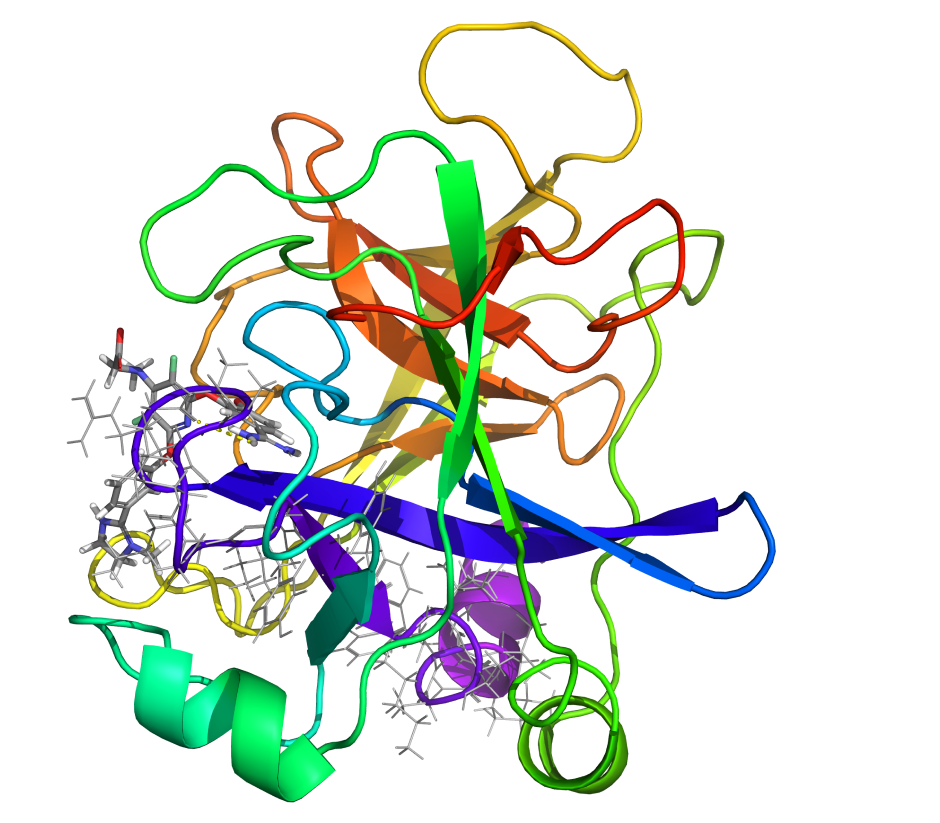
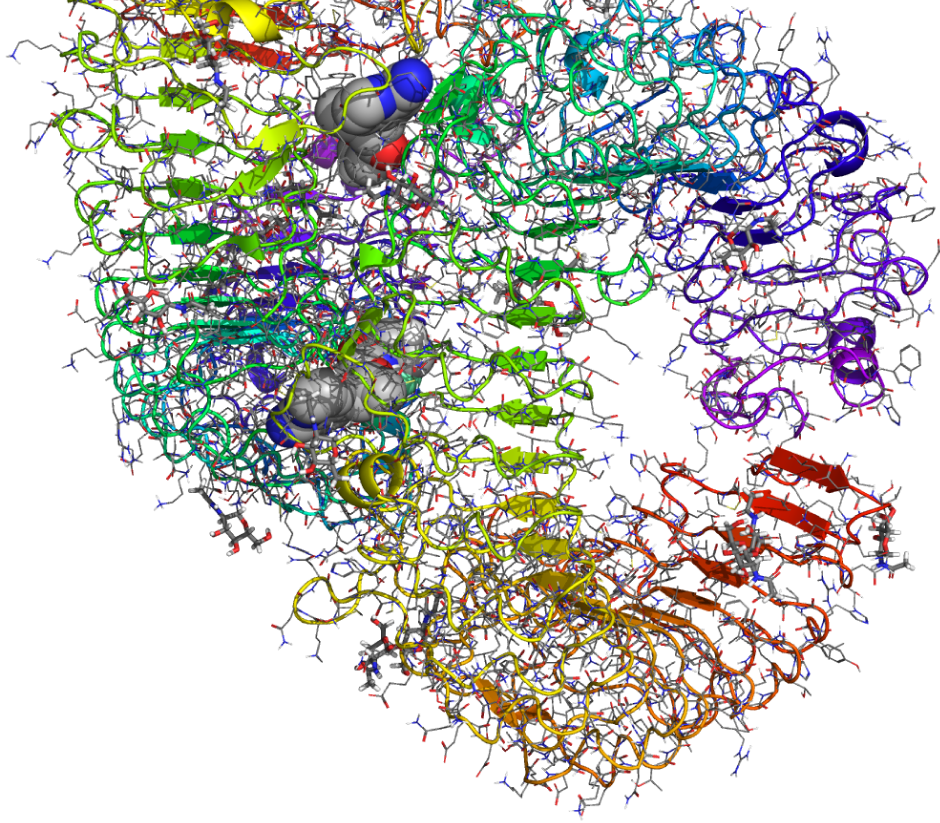
Prime is a fully-integrated protein structure prediction solution that incorporates homology modeling and fold recognition into a single solution. Prime includes an intuitive step-by-step interface that takes users through the workflow of structure prediction by supplying helpful default settings for each stage of the process.

Case studies & webinars

Discover how Schrödinger technology is being used to solve real-world research challenges.

Life Science Webinar

Enabling cryoEM structures for drug discovery with the Schrödinger Suite

In drug discovery, the relevance and value of protein structures is directly related to their ability to rationally optimize molecular properties.

Life Science Webinar

Antibody Humanization Guided by Computational Modeling

Life Science Webinar

生物制药设计 | BioLuminate

本培训我们将演示BioLuminate生物制药设计工作流程,其中包括

Life Science White Paper

CovDock

Life Science White Paper

Macrocycles

Life Science White Paper

The new solution to the induced fit docking problem: How IFD-MD rapidly and reliably predicts accurate ligand binding

Life Science White Paper

Introducing a new in silico workflow for efficient and automated macrocycle design

Life Science Webinar

Computational workflows for bifunctional degrader design

Life Science Webinar

Enzymes by Design: Structure-based Methods for Modeling Enzymes

An overview of how the Schrödinger technology can be used to optimize enzymes using structure-based rational design.

Key Capabilities

Refine experimental structures obtained through X-ray crystallography, NMR or Cryo-EM for accurate and detailed starting points for subsequent simulations
Accurately predict protein structures from sequence to obtain a high-quality model when an experimental structure is not available 
Predict and refine side chain positions to create a complete, all-atom protein model. 
Predict membrane permeability and conformations of macrocycles
Rapidly calculate energetics system of interest using MM-GBSA
Benefit from an intuitive step-by-step interface that takes users through the full workflow of structure prediction 
Create backbone models for early structural investigations or functional annotation in cases of low- or no-sequence identity
Rapidly scan thousands of protein mutations, with tight integration to FEP+ that allows for an accurate and thorough screening cascade for protein optimization.

Documentation & Tutorials

Get answers to common questions and learn best practices for using Schrödinger’s software.
Life Science Tutorial

Peptide Cyclization

Cyclize peptides using macrocyclize.py script via the command line interface and rank-order the cyclized structures using Prime MM-GBSA.

Life Science Tutorial

Antibody Structure Prediction and Visualization with BioLuminate

Predict antibody structure, analyze the structure quality, and perform necessary refinements in the predicted structure.

Life Science Tutorial

Generating ternary complex structures to enable rational design of targeted protein degraders

Generate and score structures for a target-PROTAC-ligase complex to enable linker optimization.

Life Science Documentation

Prime

A fully-integrated protein structure prediction solution that incorporates homology modeling and fold recognition into a single solution.

Life Science Tutorial

Refining crystallographic protein-ligand structures using GlideXtal and Phenix/OPLS

Re-dock and refine ligand pose in a crystal structure with GlideXtal.

Life Science Tutorial

Re-scoring Docked Ligands with MM-GBSA

Optimize binding poses and re-score results of a small virtual screen.

Life Science Tutorial

Approximating Protein Flexibility without Molecular Dynamics

Soften potentials in Glide and run induced-fit docking for side chain conformational changes and loop refinement.

Life Science Tutorial

Disulfide Bond Engineering

Run cysteine scanning to identify residues that could be mutated to cysteine to improve thermal stability and facilitate crystallization.

Life Science Tutorial

Drug Development with Macrocycles

Sampling, docking, and lead optimization of macrocycles.

Life Science Tutorial

Small Molecule Membrane Permeability

Predict the membrane permeability of a series of small molecules.

Related Products

Learn more about the related computational technologies available to progress your research projects.

IFD-MD

Accurate ligand binding mode prediction for novel chemical matter, for on-targets and off-targets

FEP+

High-performance free energy calculations for drug discovery

Membrane Permeability

Physics-based solution for rapid and accurate prediction of passive membrane permeability

PrimeX

Comprehensive package for accurate protein crystal structure refinement

Publications

Browse the list of peer-reviewed publications using Schrödinger technology in related application areas.

Materials Science Publication

Taste-Guided Isolation of Bitter Compounds from the Mushroom Amaropostia stiptica Activates a Subset of Human Bitter Taste Receptors

Materials Science Publication

Evaluating the Binding Potential and Stability of Drug-like Compounds with the Monkeypox Virus VP39 Protein Using Molecular Dynamics Simulations and Free Energy Analysis

Life Science Publication

FEP augmentation as a means to solve data paucity problems for machine learning in chemical biology

Materials Science Publication

Skin anti-aging potentials of phytochemicals from peperomia pellucida against selected metalloproteinase targets: An in silico approach

Life Science Publication

A novel method for in silico assessment of Methionine oxidation risk in monoclonal antibodies: Improvement over the 2-shell model

Life Science Publication

Target-template relationships in protein structure prediction and their effect on the accuracy of thermostability calculations

Life Science Publication

A Descriptor Set for Quantitative Structure-Property Relationship Prediction in Biologics

Life Science Publication

Accurate Prediction of Protein Thermodynamic Stability Changes upon Residue Mutation using Free Energy Perturbation

Life Science Publication

An engineered antibody fragment targeting mutant β-catenin via major histocompatibility complex I neoantigen presentation

Life Science Publication

Disulfide Bond Engineering of an Endoglucanase from Penicillium verruculosum to Improve Its Thermostability

Training & Resources

Online certification courses

Level up your skill set with hands-on, online molecular modeling courses. These self-paced courses cover a range of scientific topics and include access to Schrödinger software and support.

Tutorials

Learn how to deploy the technology and best practices of Schrödinger software for your project success. Find training resources, tutorials, quick start guides, videos, and more.